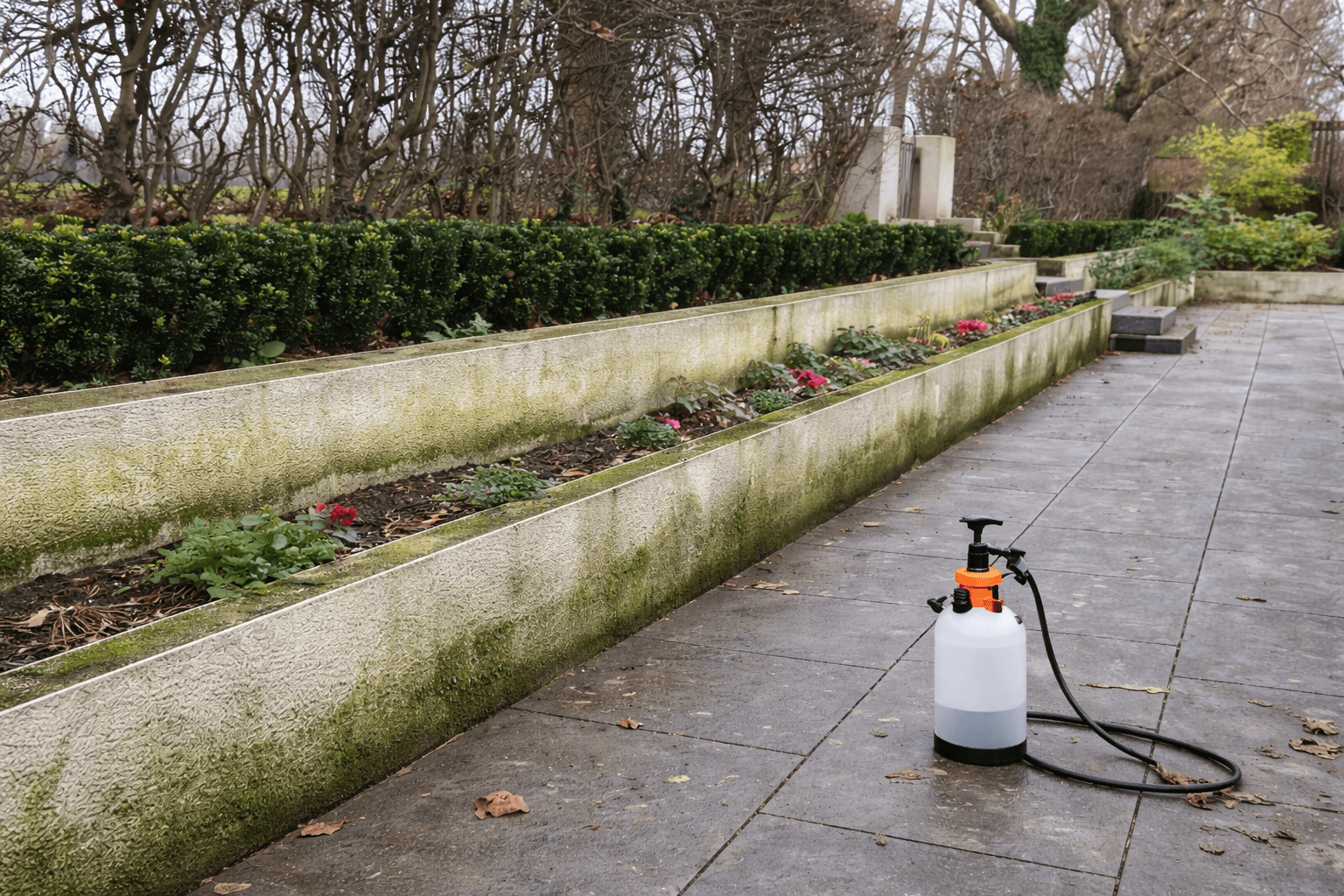
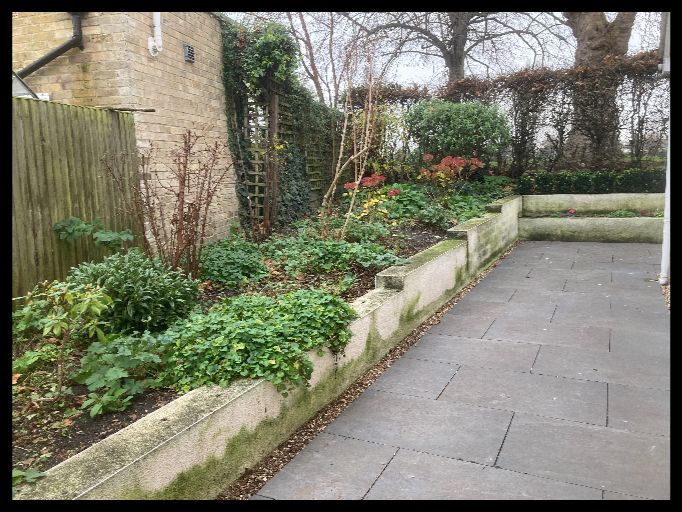
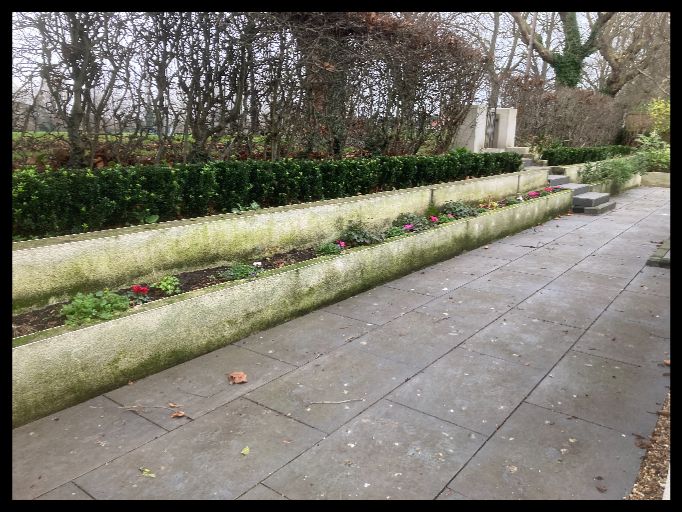
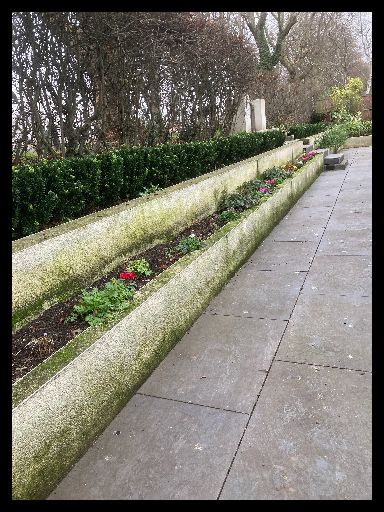
| Recently, a client reached out with a concern that many garden owners quietly worry about but aren’t sure how to address safely. They had a series of raised white garden walls running alongside a paved patio. Over time, the walls had developed a heavy green staining from algae and moss, particularly along the lower sections. The paving itself was due to be cleaned, but the client was understandably hesitant about treating the walls in the same way. Their question was simple — and sensible: “You are going to power wash the patio, but I’m worried the walls will be damaged. They’re not painted, and the surface feels rough and bobbly. What’s the right way to clean them?” It’s a good question and one l have been researching for a while… Understanding the Material Before Cleaning In this case, the walls are constructed from breeze blocks and finished with a textured cement-based render rather than paint. This type of finish is very common in modern and semi-formal garden designs, especially where raised beds and clean lines are wanted. The challenge with this surface is that it’s porous. Moisture is absorbed into the tiny pits and textures, creating the perfect conditions for algae and moss to take hold — especially in shaded or north-facing areas. This is also why aggressive cleaning methods can cause more harm than good. Why Pressure Washing Is the Wrong Tool Power washing may feel like the obvious solution and it is for the patio, but on textured render, it often leads to: Stripping or scarring of the surface Uneven pale patches where the finish is blown away Increased porosity, making future algae growth worse Costly repairs or full re-rendering later on In short, pressure washing these walls would solve the problem temporarily but create a bigger one in the long term. The Correct Approach: Gentle, Patient, and Effective The safest and most professional way to clean walls like these is with a softwash, not force. First, any loose surface growth should be removed using a stiff (non-wire) brush, working dry and gently. This clears the worst of the surface algae without damaging the render. Next, a masonry-safe biocide treatment is applied using a low-pressure sprayer or watering can. These treatments are designed to soak into the surface and kill algae at the root, rather than blasting it off. The key thing to understand is timing. This is not an instant fix. Over the following days and weeks, the green staining gradually fades as weather and natural rainfall do the rest. In many cases, no rinsing is needed. Cleaning the Patio Without Affecting the Walls In this situation, the patio will still be pressure-washed — but with care. Keeping the lance well away from the walls, avoiding spray, and working methodically ensures the paving is cleaned without soaking or damaging the rendered surfaces nearby. Order matters too. Hard landscaping should usually be cleaned before final wall treatments, not the other way around. Preventing the Problem From Coming Back Once walls like these are clean and fully dry, there are two sensible long-term options: A light annual biocide treatment, which keeps algae from re-establishing itself – Or a breathable masonry sealer, which repels moisture while still allowing the wall to breathe Both approaches significantly extend the clean appearance of rendered walls without changing their look or character. |
| The Takeaway This client’s question highlights an important truth in garden care: Not everything that looks tough should be treated aggressively. Understanding materials, working with them rather than against them, and choosing the right method for the job protects both the garden and the investment behind it. If you’re ever unsure whether something should be cleaned, repaired, or left alone — that pause is often the wisest step of all. |


In the government house we lived we had huge lawns and we had such issues. Here in our own home, we don’t have such issues
LikeLiked by 1 person
What were the issues you had Sadje?
LikeLiked by 1 person
We had lots of bugs, like mango bugs and green stains on the pavers.
LikeLiked by 1 person
Oh yes, l can understand those issues.
LikeLiked by 1 person
Yes it demanded too much maintenance.
LikeLiked by 1 person
Yes, sadly it would do.
LikeLiked by 1 person
We had a team of gardeners come every month to do it but it was never enough.
LikeLiked by 1 person
I can imagine Sadje, some messes can be particlularly painstaking to tidy – not insect wise but over here we have some very annoying and messy autumn blossoms, when the trees let go of a tiny spent seed husk, when they are released therre are billions of them in the air and even though you can tidy up, months later you still find yourself trying to clear them.
LikeLiked by 1 person
I haven’t seen this phenomenon here but I can imagine
LikeLiked by 1 person