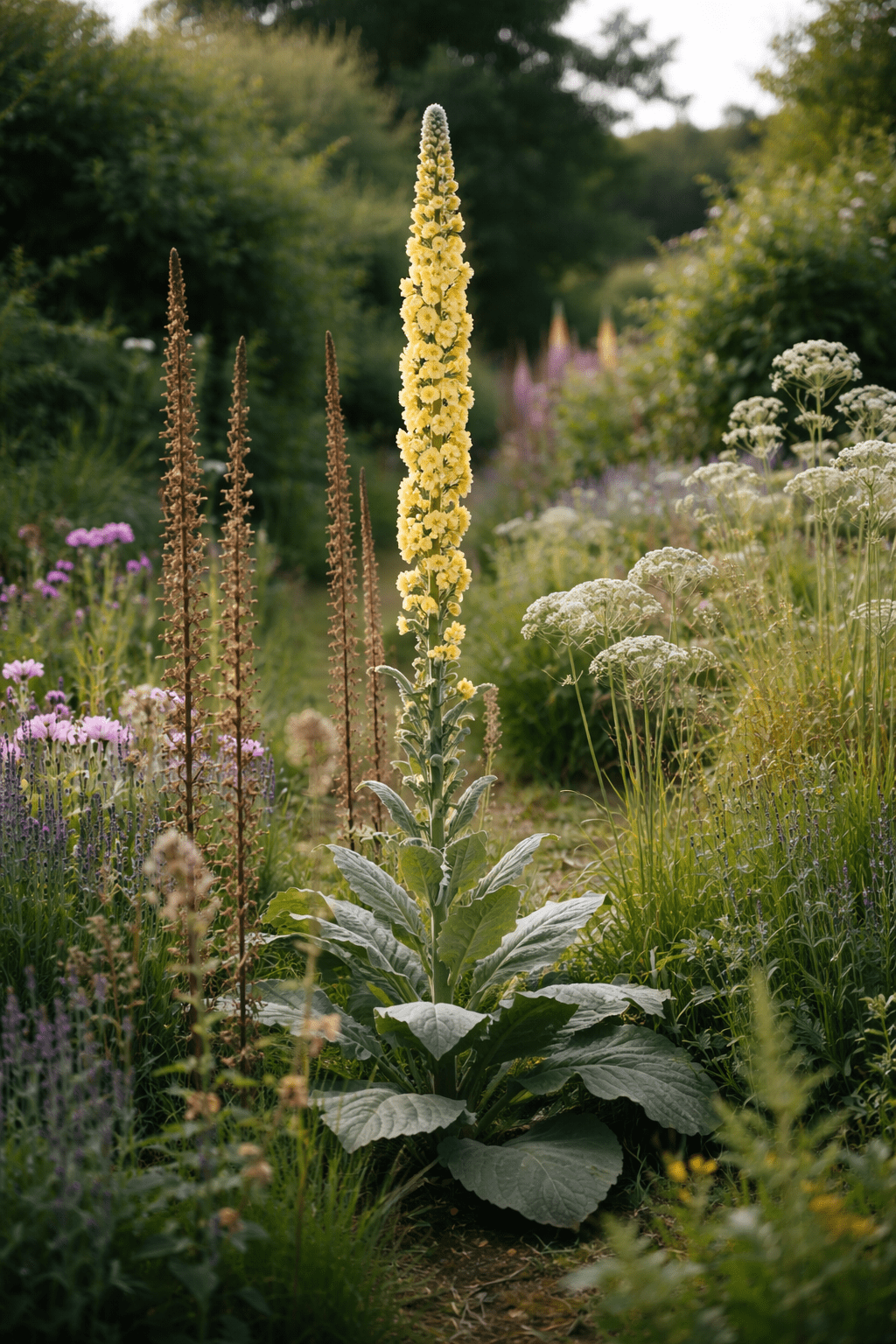
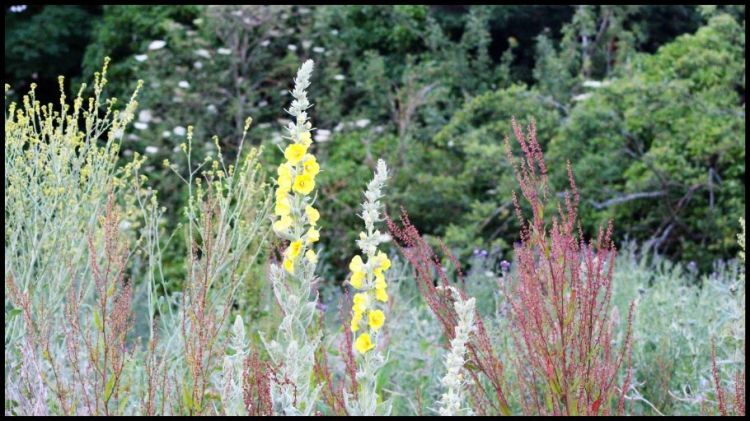
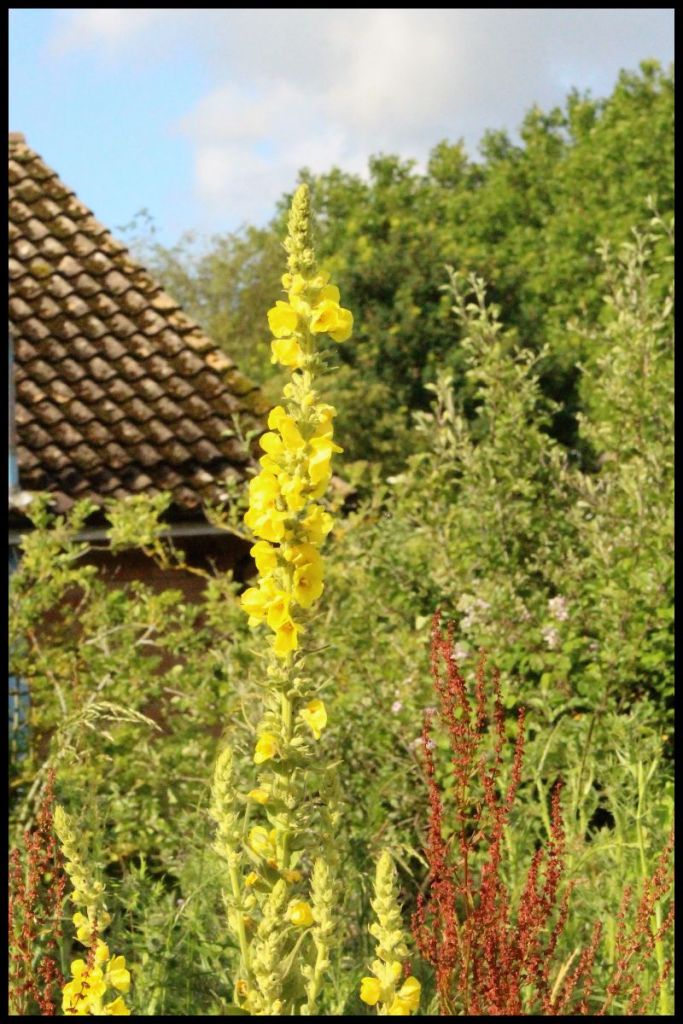
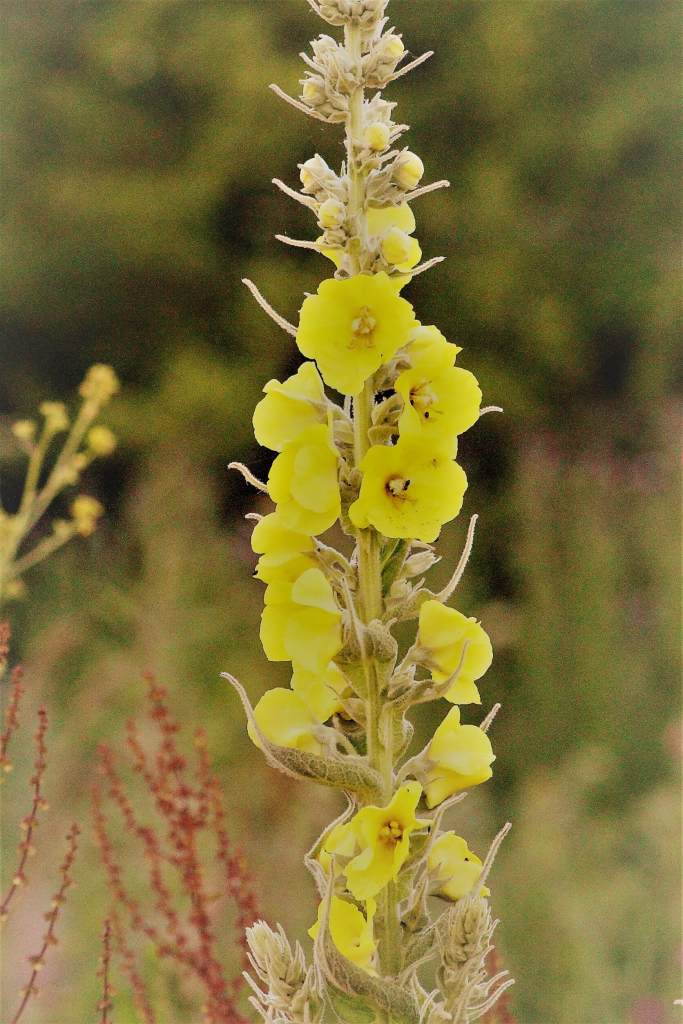
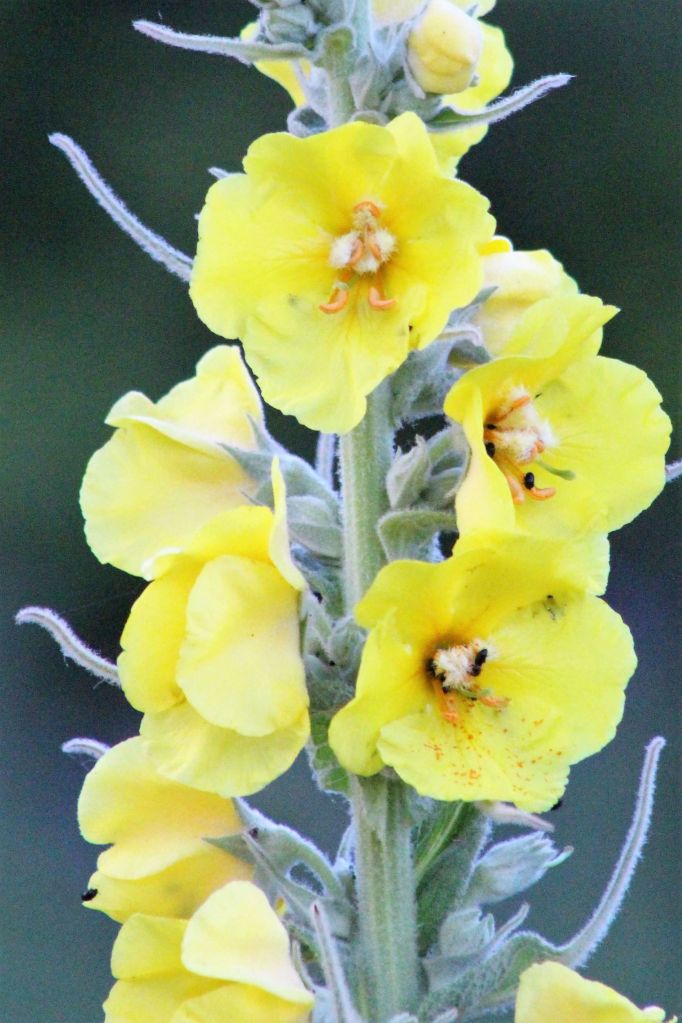
| Verbascum The plant that arrives, stands its ground, and leaves Verbascum: the plant that arrives, stands its ground, and leaves Verbascum always feels older than the garden it’s in. Not historic in the tidy, herb-garden way. Instead, it feels geological. It looks like it’s doing what it always has, regardless of borders, fashion, or invitation. You notice it first by scale. A sudden vertical decision in a bed that was previously behaving itself. A spear, a column, a candle. Architectural is the obvious word, but it’s also misleading. Architecture implies permanence. Verbascum is anything but. It builds in height with conviction, then quietly steps back from the picture. That temporary authority is its real talent. It’s this compelling blend of presence and impermanence that sets Verbascum apart, shaping not just beds, but also how we think about plant behaviour. A plant that understands timing Most plants negotiate with space. Verbascum doesn’t. It occupies it briefly and then vacates. The rosette stage can last a year or two, hugging the ground, greyed with felted leaves that look more like fossils than living things. People often mistake this for indecision or weakness. In practice, it’s patience. When Verbascum commits, it does so without apology. A single stem rises fast. It ignores the usual rules about proportion. In mixed borders, this feels disruptive. Online, this is seen as a design “risk.” In real gardens, it is often the point. That sudden punctuation in a sentence that was getting predictable. What’s interesting is how little fuss it makes once it’s done. The flower spike seeds, dry, and fade without demanding removal. In some gardens, I leave them standing longer than advised. Not out of neglect, but because they earn their place as winter structure — thin, upright shadows that mark where summer once insisted on being vertical. Self-seeding and the myth of control Verbascum self-seeds. This is usually said in a warning tone, as though the plant is plotting something. In reality, it self-edits better than most gardeners do. Seedlings appear where the ground allows them to survive: disturbed soil, thin edges, gaps that want filling anyway. Many assume self-seeding means chaos, but it is mostly about losing authorship. Verbascum does not overwhelm; it suggests. You can say no. Pulling a young rosette takes seconds. Leaving one changes the look of a border. I’ve seen Verbascum seedlings thrive in gravel, along fence lines, and in the awkward metre behind a shed that never quite gets planned. These are not accidents. They are the plant responding honestly to light, drainage, and neglect — three things it understands very well. Texture before flower The flowers get photographed. The leaves do the real work. Those soft, pale rosettes visually flatten the ground, calming busy planting schemes and giving taller neighbours something to push against. They read as neutral without being blank. In practice, they act like visual ballast, especially in gardens that rely heavily on fine foliage or constant colour. There’s also a seasonal trade-off here that doesn’t get mentioned much. While flowering verbascum commands attention in early to mid-summer, the rosette stage carries the plant through winter with quiet competence. It doesn’t rot. It doesn’t collapse. It waits. For gardeners who value year-round presence over peak moments, this matters. Prehistoric, but not primitive Verbascum is often described as “wild,” in a way that suggests carelessness. I think it’s closer to inevitability. The plant feels prehistoric, not because it’s crude, but because it hasn’t needed to evolve theatrics. Its strategy is simple: grow low, then grow tall, then disappear. In contemporary gardens — especially those designed for constant interest — this can feel confrontational. A plant that refuses to perform continuously. A plant that accepts being temporary. That, for me, is its quiet lesson. Not everything in a garden needs to justify its space all year. Some plants are allowed to dominate briefly, then step aside. Verbascum does this without resentment. What remains When Verbascum goes, it doesn’t leave a hole so much as a memory of height. Other plants seem to respond to that absence. Borders re-settle. Light shifts. Seedlings appear where the stem once stood, as if marking the place. It’s a plant that teaches scale, patience, and the value of disappearance. Not bad for something that many people still describe as a filler. |
| About our writing & imagery Many of our articles are written by us, drawing on real experience, reflection, and practical work in gardens and places we know. Some pieces are developed with the assistance of AI, used as drafting and research tools rather than as a voice or authority. Featured images may include our own photography, original AI-generated imagery, or—where noted—images kindly shared by other creators and credited accordingly (for example, via Pixabay). All content is shaped, edited, and published by Earthly Comforts, and the views expressed are our own. |

