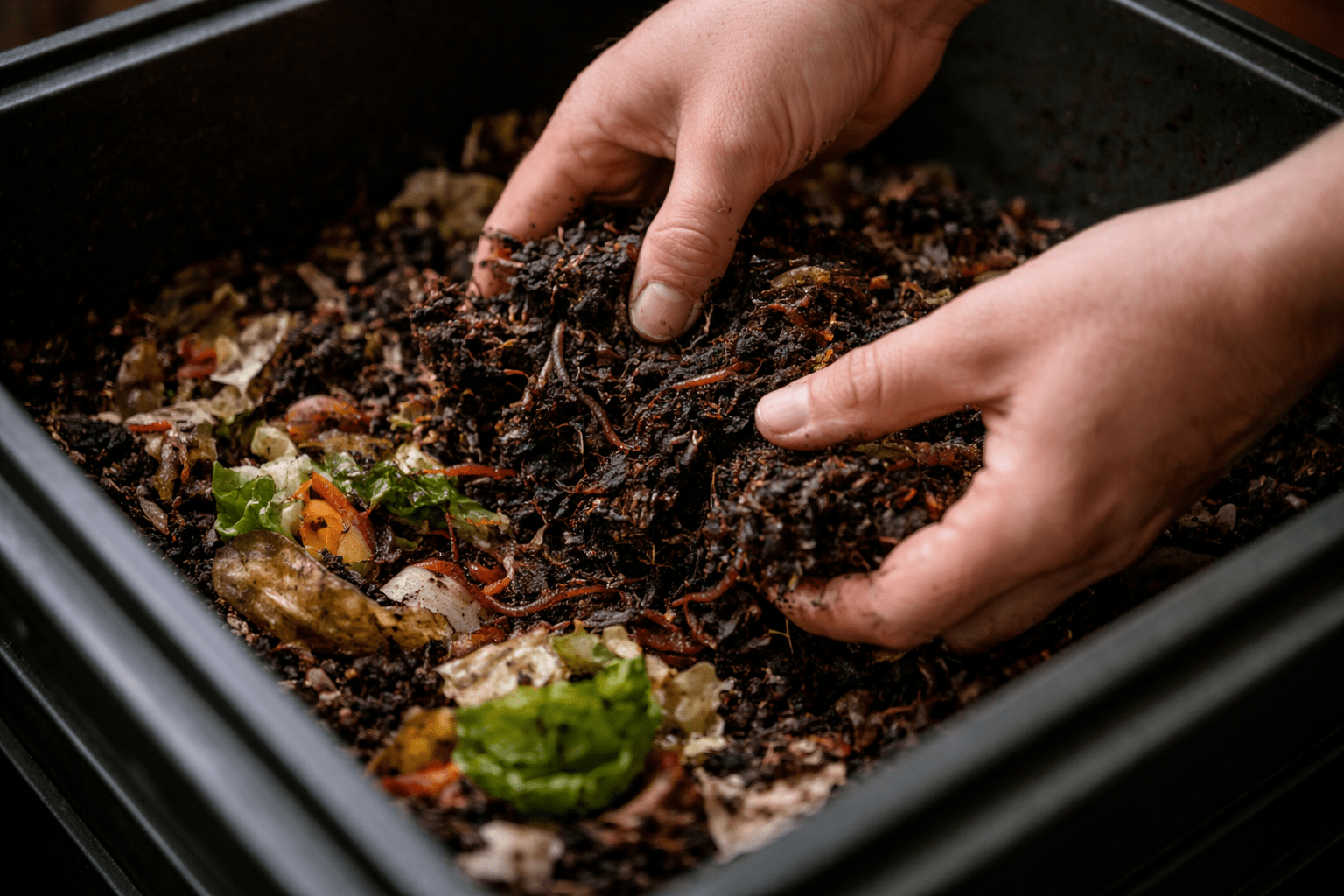
| Interference Most worm farms don’t suffer from neglect. They suffer from attention. There’s a particular kind of restlessness that settles in once a bin has been running for a while. The initial excitement has passed, the feeding feels familiar, and the system hasn’t collapsed — which leaves a quiet, uncomfortable question hanging in the air: should I be doing something? It’s at this point that interference begins, not because anything is wrong, but because nothing obvious is happening. Worm farms reward stillness in ways that feel counter-cultural. Modern gardening is full of cues — pruning, sowing, harvesting — actions with visible consequences. A worm farm offers very few of those signals. Progress is slow, hidden, and largely indifferent to effort. Lifting the lid becomes a substitute for involvement. Bedding is fluffed to “add air”. Food is rearranged. Towers are installed. Layers are turned. Each action is framed as helpful, but together they introduce instability into a system that was doing its work precisely because it had settled. Fluffing is one of the most common examples. It sounds benign, even sensible. Air is good; more air must be better. But oxygen in a worm bin is not delivered through agitation; it moves through the structure. A well-built bin develops natural channels, moisture gradients, and zones of activity. Stirring collapses those patterns. It exposes worms to light and temperature shifts, disrupts microbial colonies, and resets processes that were already underway. The result is often a brief burst of visible movement followed by a longer period of withdrawal. The worms aren’t energised; they’re unsettled. This is where many commercial add-ons quietly fail. Towers, inserts, and layered feeding systems promise efficiency and control, but they assume the system wants to be guided. In reality, worms tend to congregate where conditions suit them, not where we’ve designated space. A tower may work for a time, especially in a mature bin, but if it is installed too early or managed too closely, it becomes another source of disturbance. The question is rarely whether these tools can work, but whether they are necessary at all. Interference is often driven by the idea that productivity should be visible. If castings aren’t accumulating quickly enough, something must be adjusted. If worms aren’t evenly distributed, something must be wrong. These assumptions overlook a basic truth: biological systems rarely look tidy while functioning well. Clustering can indicate comfort. Uneven processing can reflect moisture gradients, doing exactly what they should. Trying to impose uniformity on a living process usually produces the opposite of what’s intended. There’s also a subtle psychological element at play. Intervening feels like care. Leaving things alone can feel like abandonment. But worms don’t interpret attention the way humans do. They respond to stability, not reassurance. A bin that is opened weekly without being altered is often healthier than one that is “improved” every few days. The distinction is not whether you observe, but whether observation turns into action unnecessarily. One of the quiet skills that develops over time is learning when not to respond. A patch of food that lingers longer than expected doesn’t always require correction. A temporary smell doesn’t always signal failure. Systems fluctuate. Worm farms, especially, move in slow arcs. Intervening at the first sign of deviation often prevents the system from correcting itself. What looks like inaction is sometimes trust. It’s worth acknowledging that interference isn’t always harmful. There are moments when adjustment is needed — excessive moisture, genuine anaerobic conditions, extreme temperatures. The difficulty is that frequent interference dulls your ability to accurately recognise those moments. If you’re always doing something, it becomes hard to tell what actually made a difference. The system never has a chance to speak for itself. Over time, experienced keepers develop a kind of restraint that looks passive from the outside but is anything but. They notice patterns. They remember how the bin behaved last month, last season, last year. They understand that not every change requires a response, and that some responses do more harm than good. The bin becomes less something to manage and more something to check in on. Interference is rarely about improving conditions. It’s about relieving uncertainty. Worm farming doesn’t offer much certainty. It asks you to tolerate ambiguity, to accept that work is happening even when you can’t see it, and to resist the urge to make yourself useful when usefulness would be disruptive. In that sense, interference is not a technical problem at all. It’s a human one. When a worm farm is allowed to organise itself, it develops a quiet momentum. Processes overlap. Populations adjust. Food disappears at its own pace. The most effective action, more often than not, is to close the lid and let time do the rest. The worms don’t need help nearly as often as we think. They need space, consistency, and the absence of unnecessary hands. |
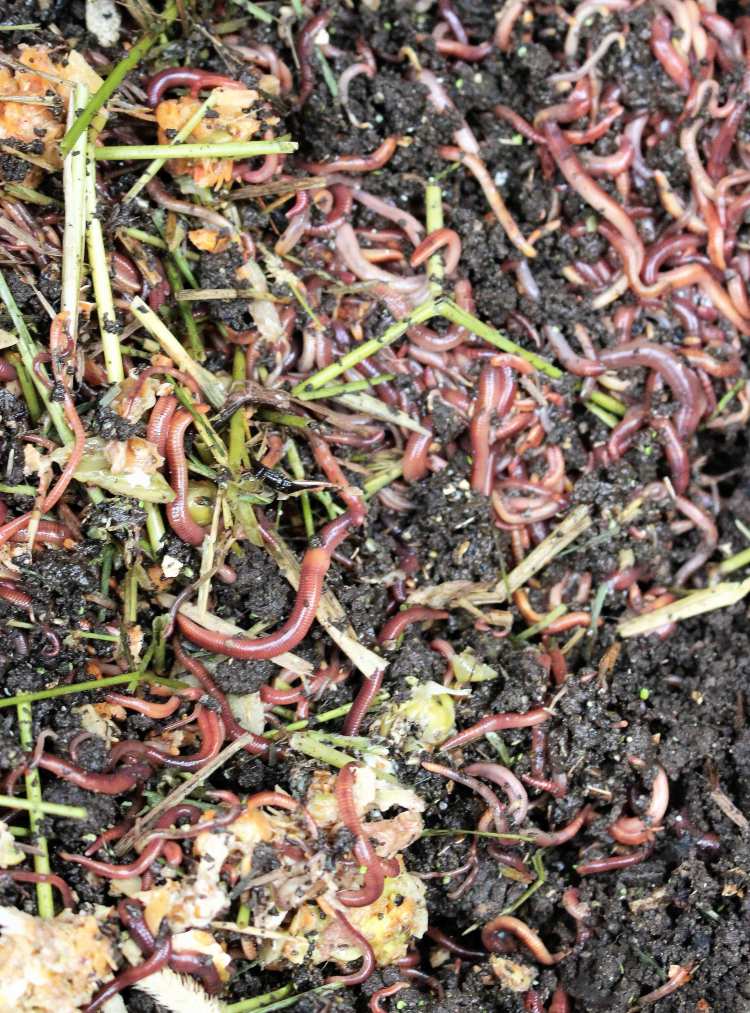
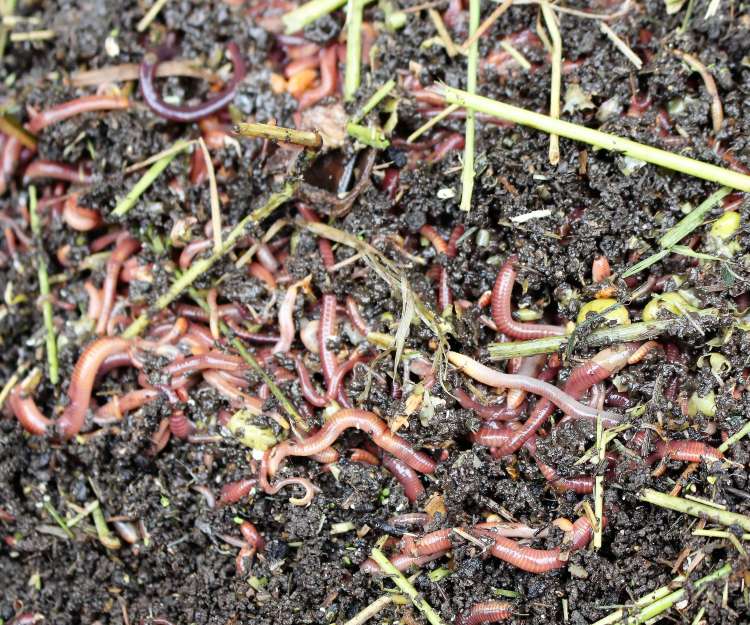
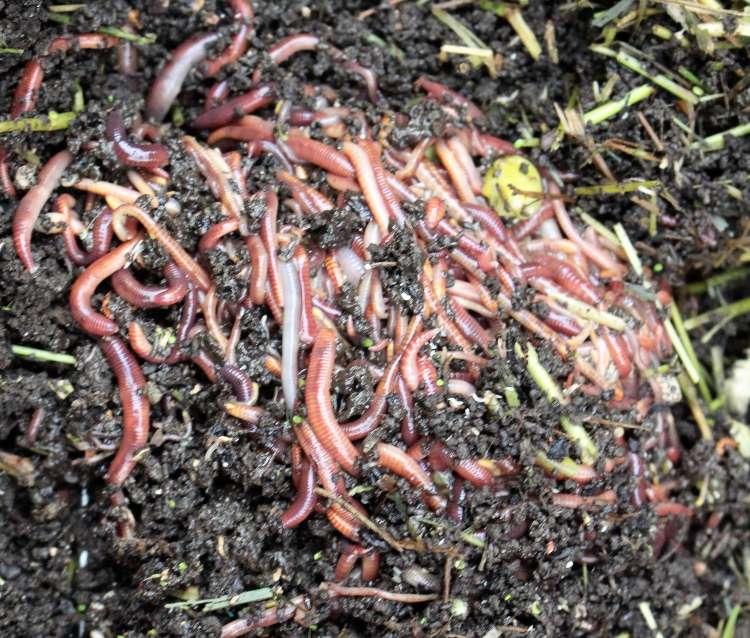
| About our writing & imagery Many of our articles are written by us, drawing on real experience, reflection, and practical work in gardens and places we know. Some pieces are developed with the assistance of AI, used as drafting and research tools rather than as a voice or authority. Featured images may include our own photography, original AI-generated imagery, or—where noted—images kindly shared by other creators and credited accordingly (for example, via Pixabay). All content is shaped, edited, and published by Earthly Comforts, and the views expressed are our own. |

