| August 2026 When a Garden Learns to Grow Without You |
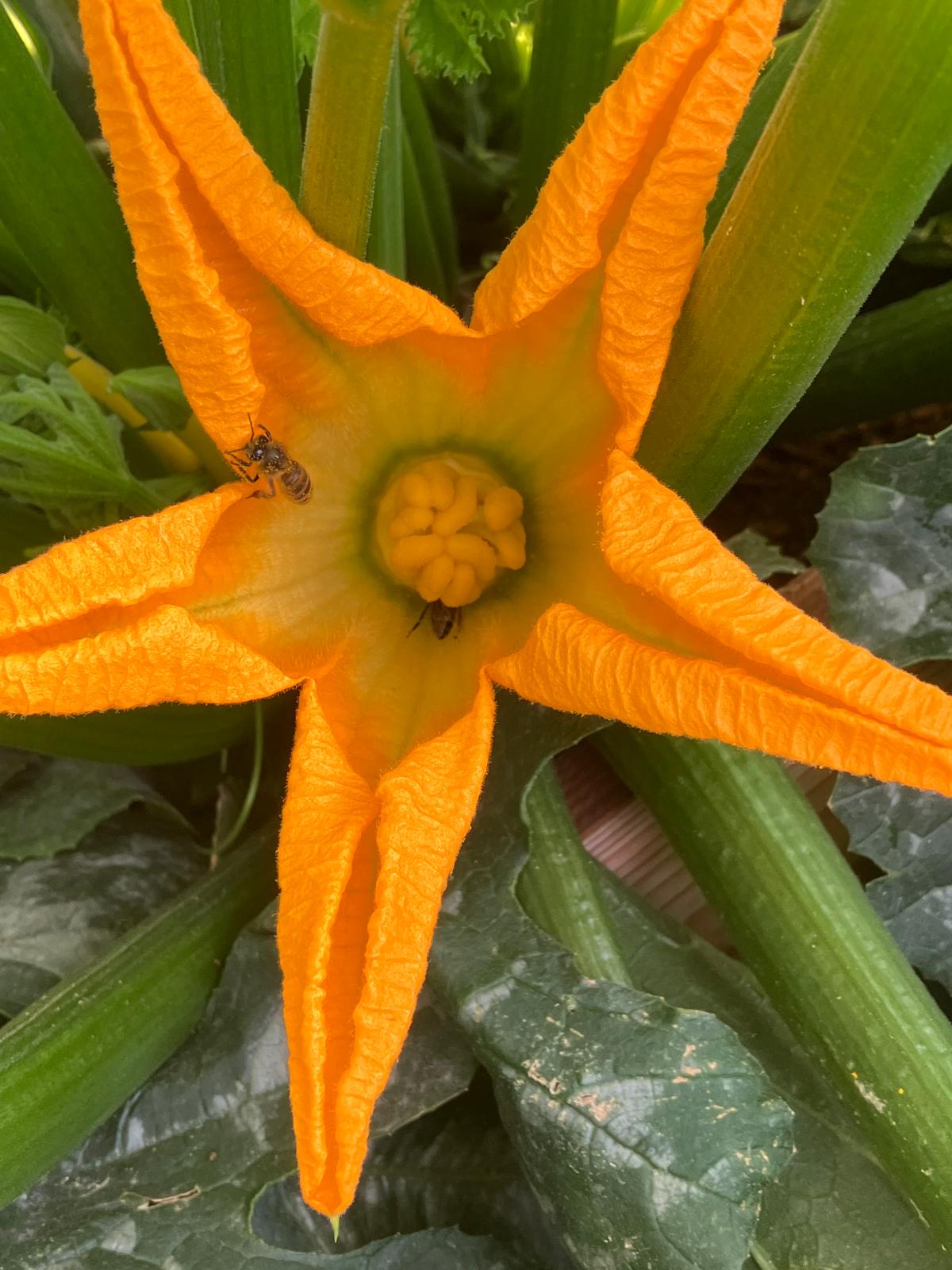
| There is an odd feeling that comes when you visit a garden you once knew almost plant by plant, only to realise it no longer depends upon you. This year I have managed to visit Plot 17 just three times, and they were just those ‘flying visits’. Back in 2023 I could spend entire days here. Building raised beds, sowing seed, watering, composting, pruning and generally disappearing into the sort of work that makes the hours vanish unnoticed. Life was very different then. Earthly Comforts was still young, my working week looked entirely different, and there was always another afternoon available for the allotment. Today that isn’t possible. Running a gardening business means spending most of my time helping other people care for their gardens. Ironically, the more successful that becomes, the less time I have to spend in my own. That doesn’t mean Plot 17 has been neglected—quite the opposite. It simply has a different gardener now. For most of this year the allotment has belonged to Suze in stewardship. She has become the person making the everyday decisions that gardens quietly depend upon—watering before work—harvesting courgettes before they become marrows—picking beans every few days, deciding which flowers stay for the pollinators and which vegetables need another week before lifting. Those countless little jobs that never appear dramatic on social media but ultimately determine whether a growing space thrives or struggles. Looking through these photographs, I realised something rather satisfying. The allotment no longer feels like a collection of vegetable beds. It feels like an ecosystem. I had noticed this before, during one of my flying visits – Suze is doing a cracking job, and ‘plot 17’ feels very much like her plot, her garden and more importantly, her created ecosystem. The runner beans are towering overhead, dripping with scarlet flowers and pods. The courgettes seem determined to occupy every available inch of space, their enormous leaves sheltering flowers alive with bees from first light. Pumpkins are wandering happily beyond the confines of their raised beds, reminding us once again that pumpkins have never read the plans gardeners draw for them. Elsewhere, alpine strawberries continue to crop, tomatoes ripen in clusters, aubergines hang beneath their foliage, beetroot fills the newer beds and pears swell quietly on the tree that was once little more than a hopeful purchase. What pleases me most is not any individual harvest. It is the structure. The compost bays continue their slow transformation of garden waste into future soil. Rainwater is stored ready for dry spells. Permanent herbs provide nectar and scent while asking for very little in return. Marigolds weave colour through the vegetables while quietly helping to attract beneficial insects. The greenhouse continues to produce despite this summer’s extraordinary heat. Everything supports something else. That was always the ambition. I also noticed something I hadn’t expected. There is remarkably little bare soil left. Some beds are producing vegetables, others fruit, others flowers. Even the paths, softened by woodchip, feel part of the garden rather than merely routes through it. The allotment has reached that pleasant stage where it possesses its own momentum. That is the greatest compliment any gardener can give a garden. It has become resilient. People often imagine good gardens rely on constant attention, but the opposite is true. A mature garden should eventually begin looking after itself, provided someone continues to guide it rather than control it. That may be what has happened here. Plot 17 no longer reflects one gardener. It reflects two. The foundations may have been laid during those long days I spent here in 2023, but this year’s abundance belongs every bit as much to Suze. She has quietly proved something we often forget in gardening: consistency is usually more valuable than intensity. There is another lesson hidden here too. Many gardeners eventually discover that life changes. Work changes. Health changes. Priorities shift. The amount of time available for our own gardens rarely remains constant throughout our lives. The answer isn’t necessarily to garden harder. Sometimes it is to build gardens that can adapt with us. Looking across Plot 17 today, I don’t see a garden that has been left behind while I concentrated on Earthly Comforts. I see a garden that has continued to grow because someone else cared enough to keep the story moving. And I think that’s rather wonderful. |


| About our writing & imagery Most articles reflect our real gardening experience and reflection. Some use AI in drafting or research, but never for voice or authority. Featured images may show our photos, original AI-generated visuals, or, where stated, credited images shared by others. All content is shaped and edited by Earthly Comforts, expressing our own views. |


You both are doing wonderful Rory and Suze.
LikeLiked by 1 person
Thanks Sadje, although in truth it is all Suze’s hard work.
LikeLiked by 1 person
You’re welcome. You guys make a great team.
LikeLiked by 1 person