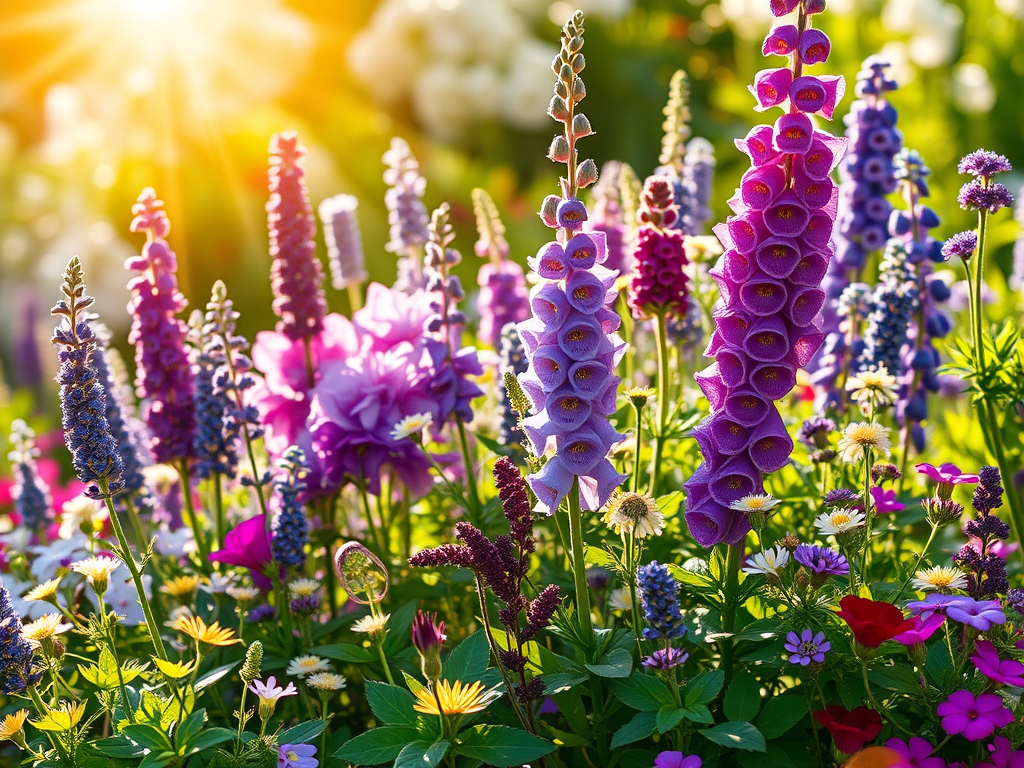
To create a vibrant, low-maintenance British garden, select simple, resilient flowers like Hardy Geranium, English Lavender, and Foxglove that thrive locally and require minimal care, suitable for beginners.
Circular Economy: Eco-Friendly Gardening Practices Explained

Circular gardening embraces a closed-loop system that minimizes waste, reuses resources, and promotes sustainability, benefitting the environment, economy, and community through regenerative practices.
Exploring the Beauty and Varieties of Heather Plants

Heather is a resilient, low-growing evergreen shrub suited for varied garden settings. Flourishing in poor, acidic soil, it offers seasonal color, supports pollinators, and enhances landscapes with minimal maintenance.
Top 30 Weeds in the UK: What Every Gardener Should Know

The UK is home to various weeds, some beneficial to pollinators and others invasive. While many have ecological value, certain types can become aggressive and difficult to control in gardens and farmland.
The Importance of British Wildflowers in Our Gardens
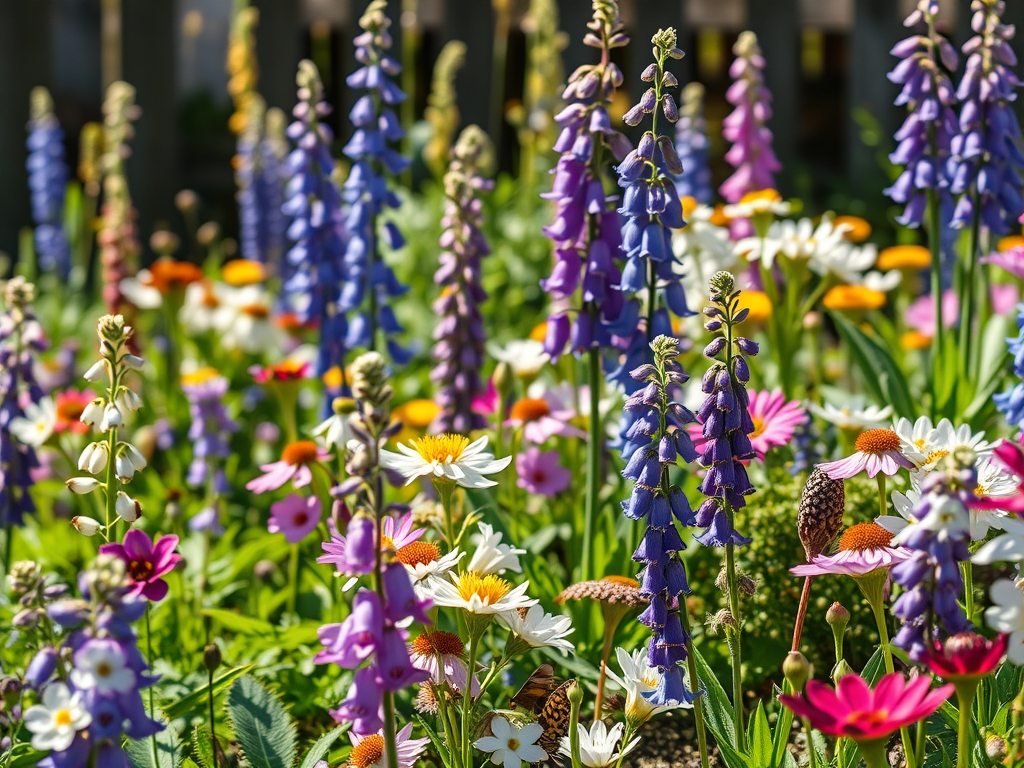
Many gardens incorporate British wildflowers, which support wildlife and enhance biodiversity. Introducing these flowers can create beauty and preserve natural heritage, benefiting pollinators and other wildlife species.
 Earthly Comforts