
No-dig gardening is a method that avoids soil disturbance by layering mulch and organic materials, enhancing soil health, reducing erosion, minimizing weeds, and requiring less labor, aligning with sustainable permaculture practices.
Category Archives: Earthen Passions
The Healing Power of Gardening for Autism
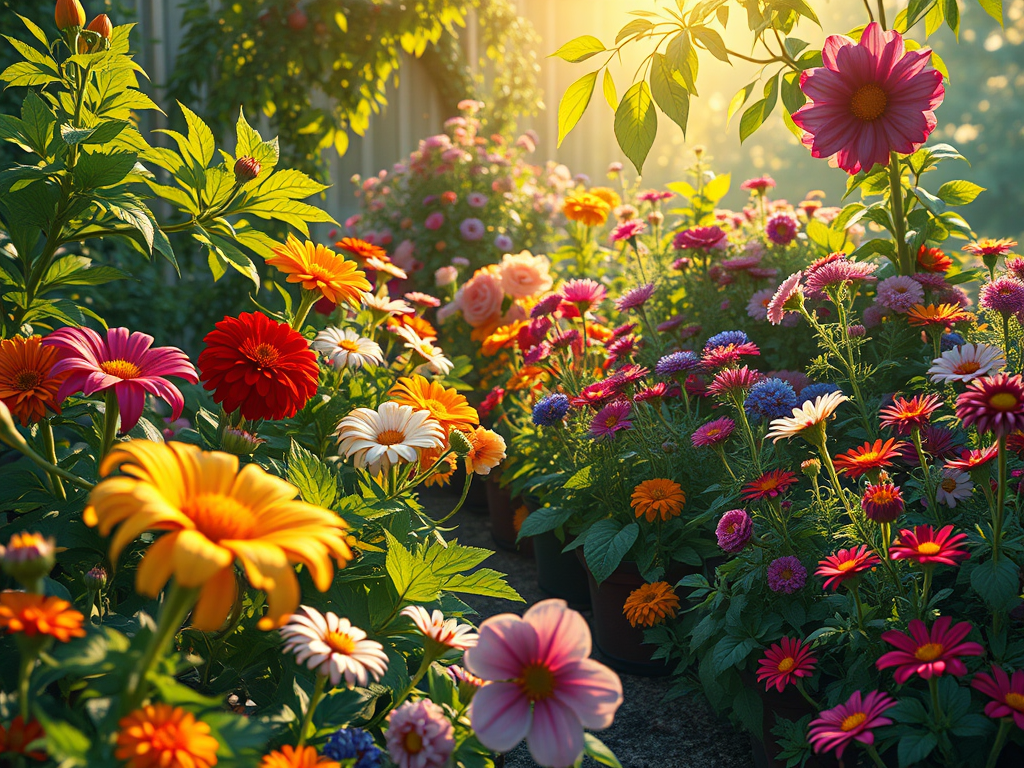
Gardening can benefit individuals with autism by providing therapeutic, calming experiences, enhancing sensory engagement, promoting routines, boosting self-esteem, and encouraging social interaction in a structured, peaceful environment.
Making Your Garden Attractive to Wildlife

To create a wildlife-friendly garden, incorporate native plants for food, provide shelter, install water sources, avoid chemicals, diversify species, and ensure accessibility for small animals, fostering biodiversity and a thriving ecosystem.
Essential Microorganisms for Effective Composting
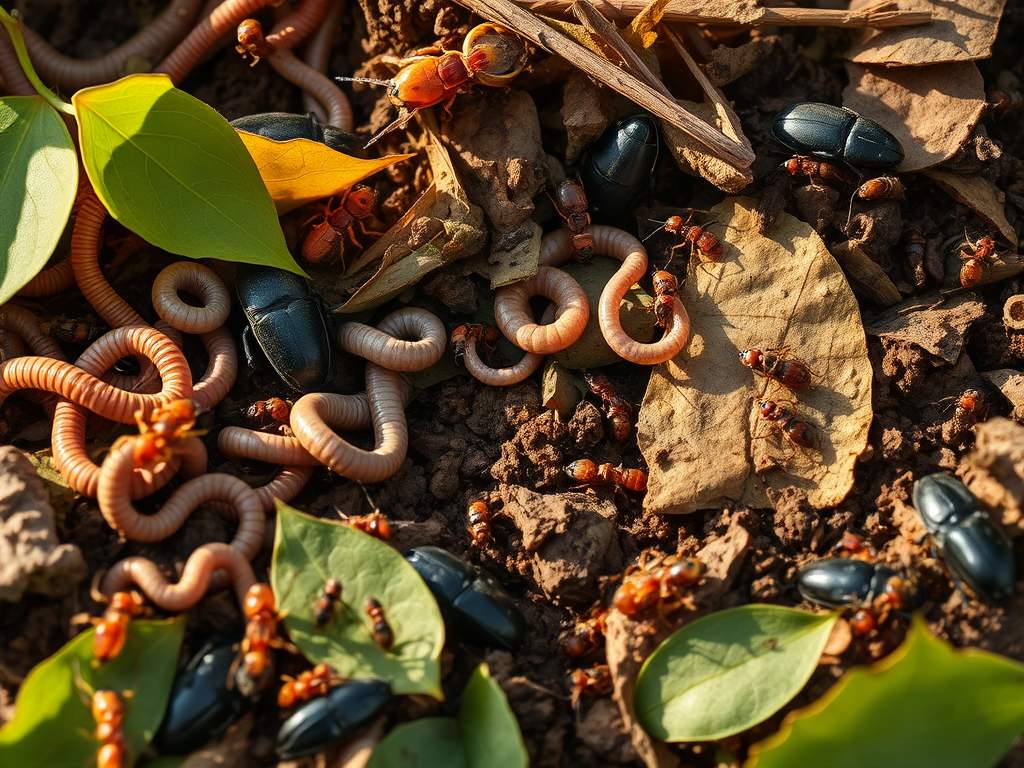
A compost pile hosts numerous organisms, from microscopic bacteria to visible insects. These decomposers perform essential roles in breaking down organic matter, highlighting the importance of maintaining a balanced and thriving compost environment for efficient decomposition.
The Importance of Weeding in Gardening

Weeding is vital in gardening as it reduces competition for resources, prevents pests and diseases, maintains aesthetics, and manages invasive species. A balanced approach that respects beneficial weeds enhances overall garden health.
 Earthly Comforts