
Dock leaves, known for their soothing properties for nettle stings, evoke nostalgia for a woodland environment. They can also be eaten and are popular with butterflies and other insects. However, they can be challenging to control due to their deep taproots and prolific seed production. They thrive in poor soil and are valued in wildlife gardens.
Category Archives: Earthen Passions
Agrimony (Agrimonia eupatoria) – Benefits for Wildlife Gardens and Companion Planting

Agrimony, also known as common agrimony, is a perennial herb with charming upright yellow and spiky flowers. It attracts bees, butterflies, and other pollinators, and can be grown in wildlife gardens or in the wild. Agrimony prefers well-drained ground, and while it requires little maintenance, it may be prone to root rot and powdery mildew.
Red Breasted Robin: Charming Garden Visitor and National Bird of Britain

The Red Breasted Robin, also known as Erithacus rubecula, holds a special place in the author’s heart. They have a strong bond with these birds and observe their behavior closely. The article provides insights into the robin’s characteristics, feeding habits, breeding patterns, and their resilience in the face of challenges.
The Blackbird (Turdus merula): Facts, Habits, and Nesting Behavior
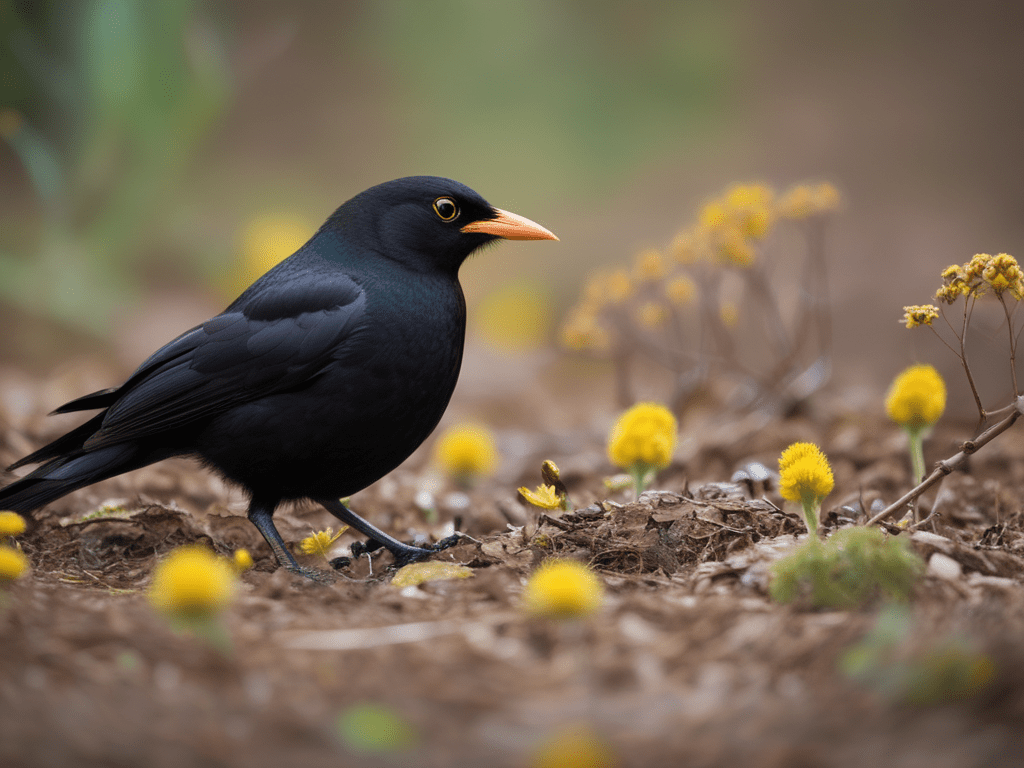
The blackbird, also known as Turdus merula, is a popular British bird species known for its sweet, melodic song. Males are black with an orangey yellow beak, while females are brown. They are omnivorous and serve as helpful garden companions by foraging for insects and worms. Blackbirds are known as mates for life and have a breeding season from March to July, producing 3 – 5 blue and green-speckled eggs per clutch. These birds have an average life expectancy of 3 – 5 years and face food scarcity as a major threat.
Practical Tips for Deterring Rats in Gardens: Organic and Sustainable Approaches

Over the years, l have experienced problems with rats in gardens. As a species, they are not something that bothers me.
 Earthly Comforts