
Alexanders, also known as Black Lovage, Horse Parsley, or Wild Celery, is an edible plant (Smyrnium olusatrum) abundant in coastal Kent from April to June. This tall biennial plant is favored by foragers for its culinary uses and is often mistaken for Keck or Cow Parsley. Its Latin name, Smyrnium olusatrum, means “parsley of Alexander.”
Category Archives: Earthen Passions
Peppers, Salad Greens, and Radish: Easy and Rewarding Vegetable Growing
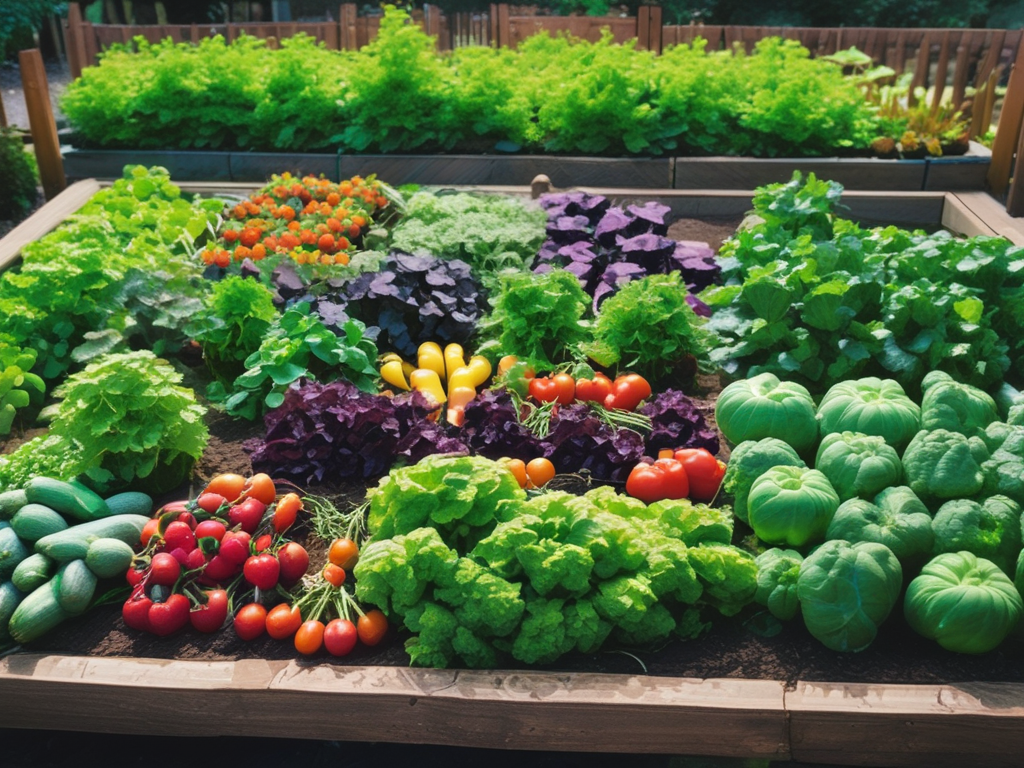
Vegetable gardening has become more accessible, overturning the myth of it being costly. It was vital during wartime, and its popularity has resurged due to environmental awareness. Growing your own food offers control over quality and promotes a healthier lifestyle. Choosing to garden can lead to financial savings and benefit the environment.
Unlocking the Benefits of Composting: From Waste to ‘Brown Gold’

When l say, I have worms!!
It is usually met with disdain or a bizarre look of curiosity,
Bokashi Bran: Transforming Kitchen Waste into Nutrient-Rich Compost

This content highlights the use of fermented Bokashi mixture in composting. The Bokashi method involves fermenting kitchen waste using a special bran, producing nutrient-rich material for gardening. The process takes 10-20 days and is suitable for all types of organic waste. The fermented waste is then added to compost piles for faster breakdown.
Maximize Compost Efficiency: The Extensive List of Safe Kitchen Waste for Composting

Composting is a natural and rewarding process that enriches soil, benefiting vegetable, flower, herb, and fruit gardens. By carefully managing food waste, such as fruits, vegetables, coffee grounds, and more, composters can contribute to a healthy compost pile. The diverse range of potential compost items will be explored in a future post, showcasing the extensive list for effective waste management.

