
Common Comfrey, or Symphytum officinale, is a versatile and beneficial plant in the garden. With over thirty varieties available, it offers nitrogen-rich leaves for plant feeding, shade for companions, and benefits for composting and mulching. Its historical use in herbalism adds to its allure, but caution is advised due to its potential toxicity. With proper care and harvesting, comfrey can thrive and enhance your garden.
Category Archives: Uncategorized
Alexanders/Black Lovage: Historical Significance and Cultural Legacy

Black Lovage, also known as Smyrnium olusatrum, has a rich history and versatile uses. It was brought to England by the Romans and once an esteemed garden herb. Its celery-like taste and texture have won over many foragers. Although foraging for Alexanders can be rewarding, it closely resembles toxic hemlock varieties, posing risks to foragers. Despite its decline in British gardens, it remains a valuable perennial addition to wildlife and cottage gardens, supporting biodiversity.
Fascinating Earthworm Facts: Mouth, Prostomium, and Sensory Adaptations
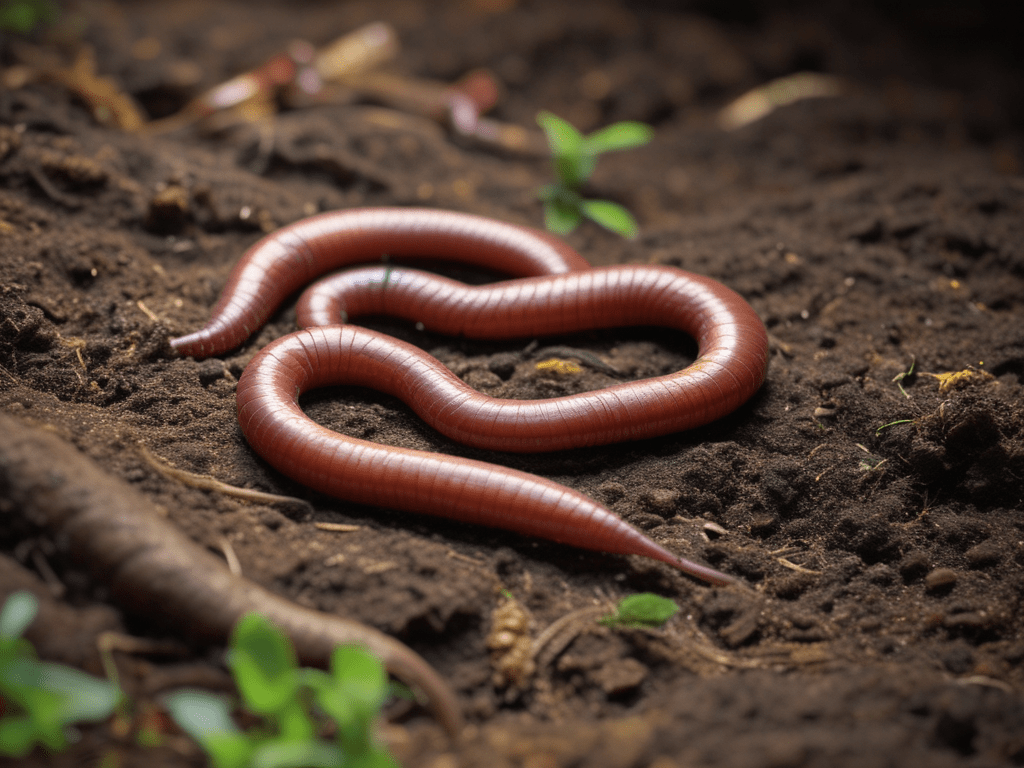
Earthworms have a mouth, but no eyes or teeth. The prostomium, the first section of a worm, contains the mouth and sensory receptors that detect the environment. Worms suck their food into a muscular mouth, then digest it into nutrients and waste. They breathe through their skin and have five hearts.
 Earthly Comforts