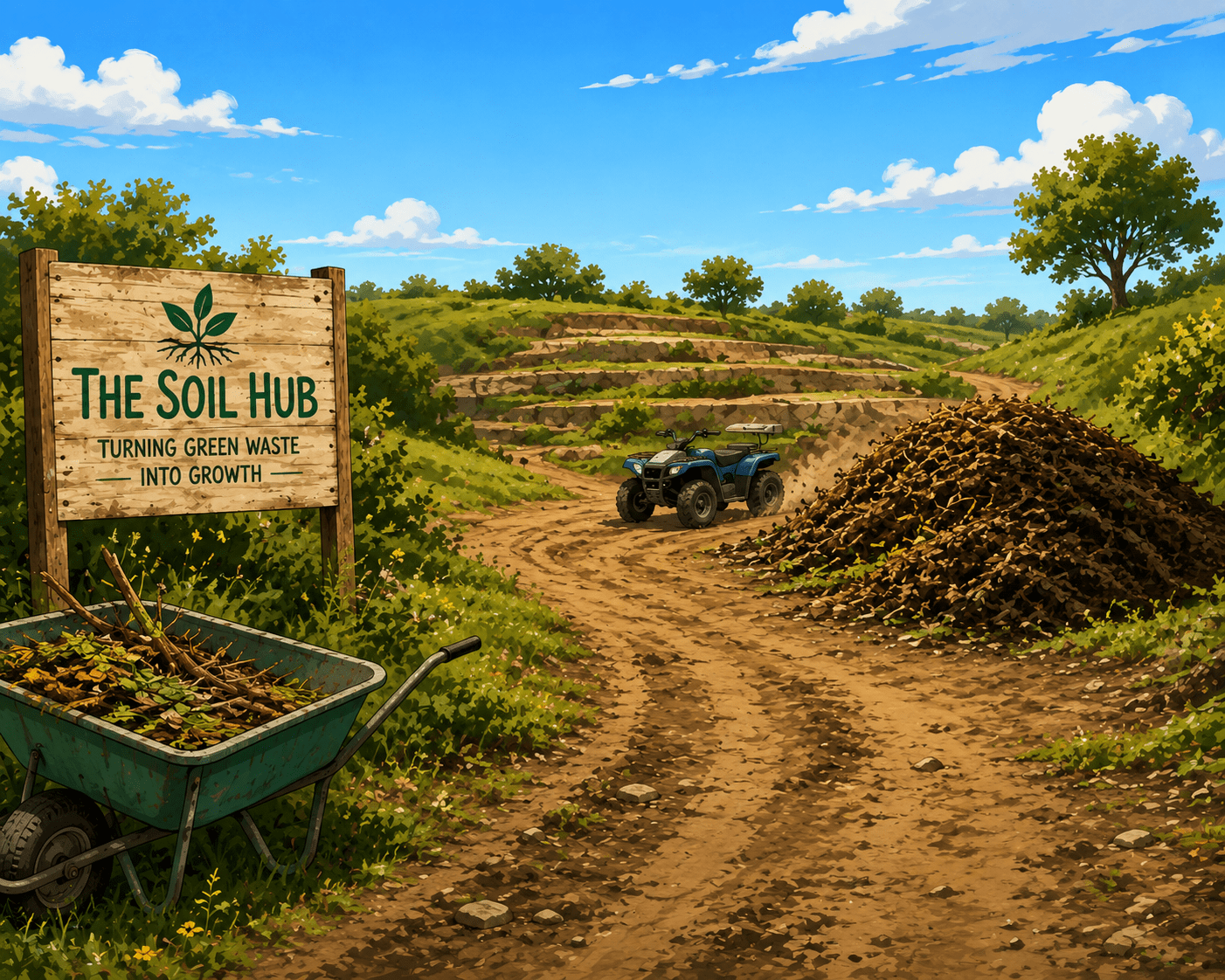
Follow the latest chapter in The Soil Hub journey as a major setback turns into an unexpected opportunity, securing affordable land and bringing the composting and worm farming project back to life.
Tag Archives: Compost
Rethinking the English Garden
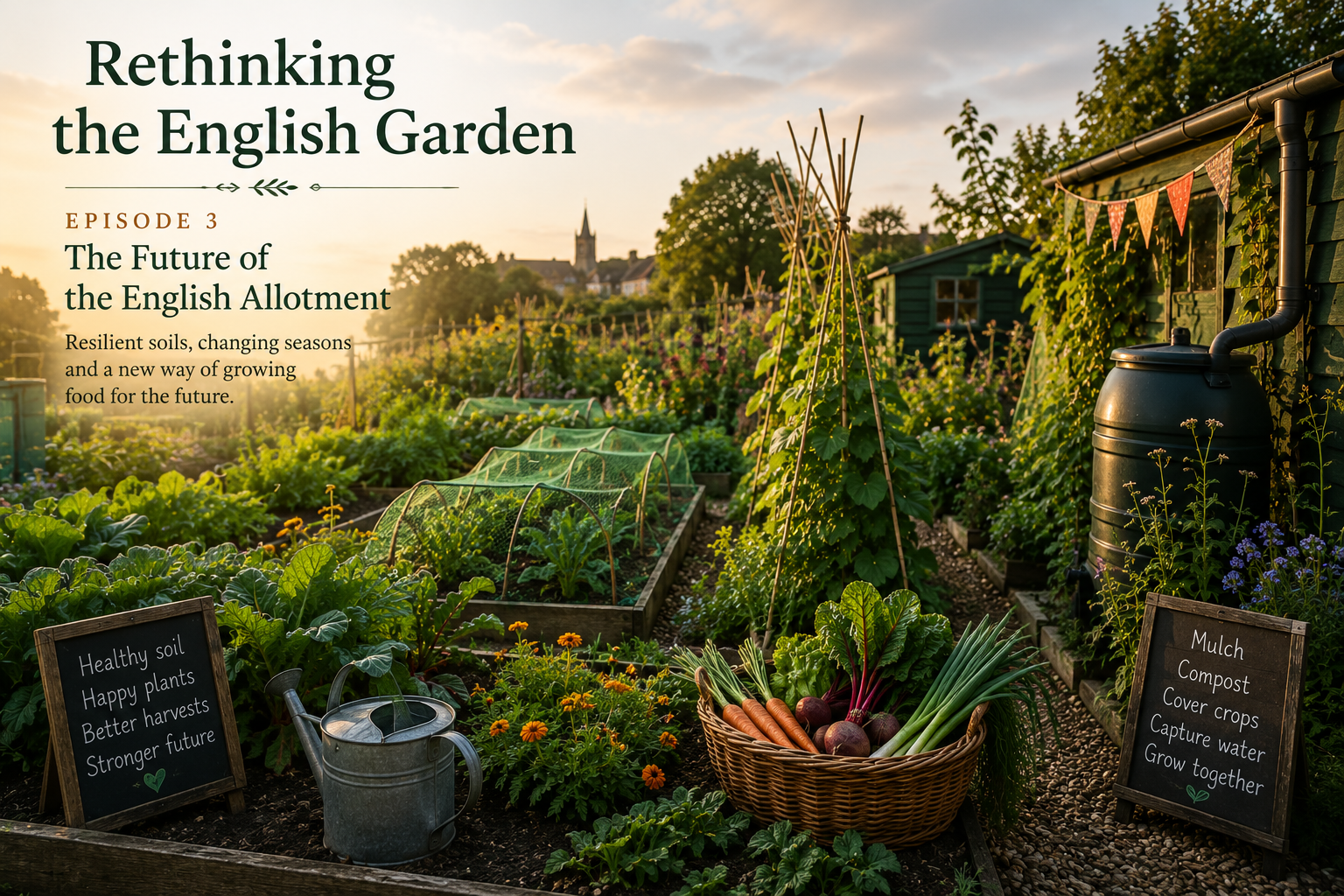
A thoughtful exploration of how English allotments may evolve through healthier soils, changing growing seasons and a new way of thinking about food production in a changing climate.
What Compost Teaches About Renewal and Second Chances
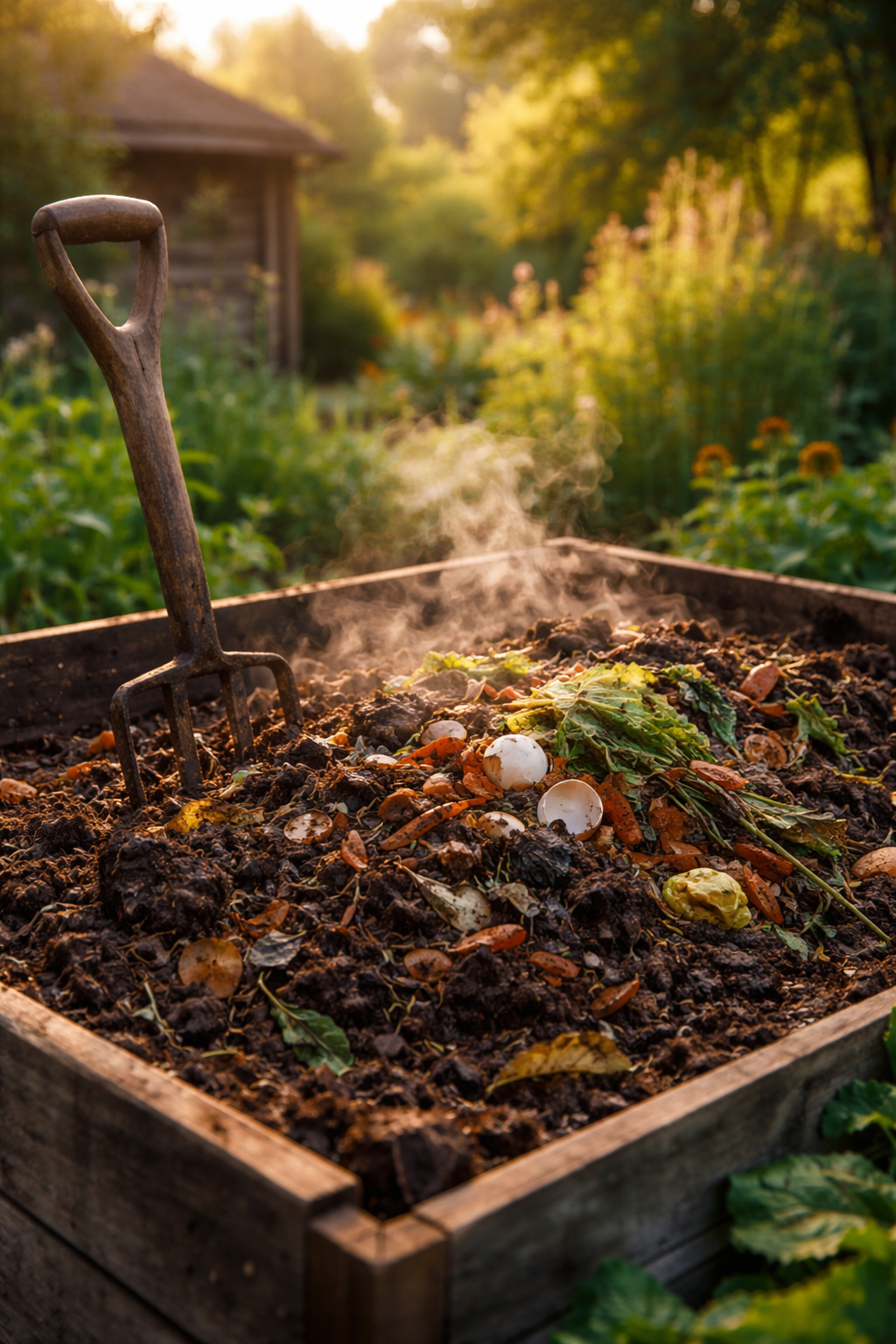
A reflective exploration of compost as a teacher of renewal, patience, and second chances, revealing how decay, balance, and time quietly rebuild soil, gardens, and perspective.
Compost, Cost, and What You Actually Need
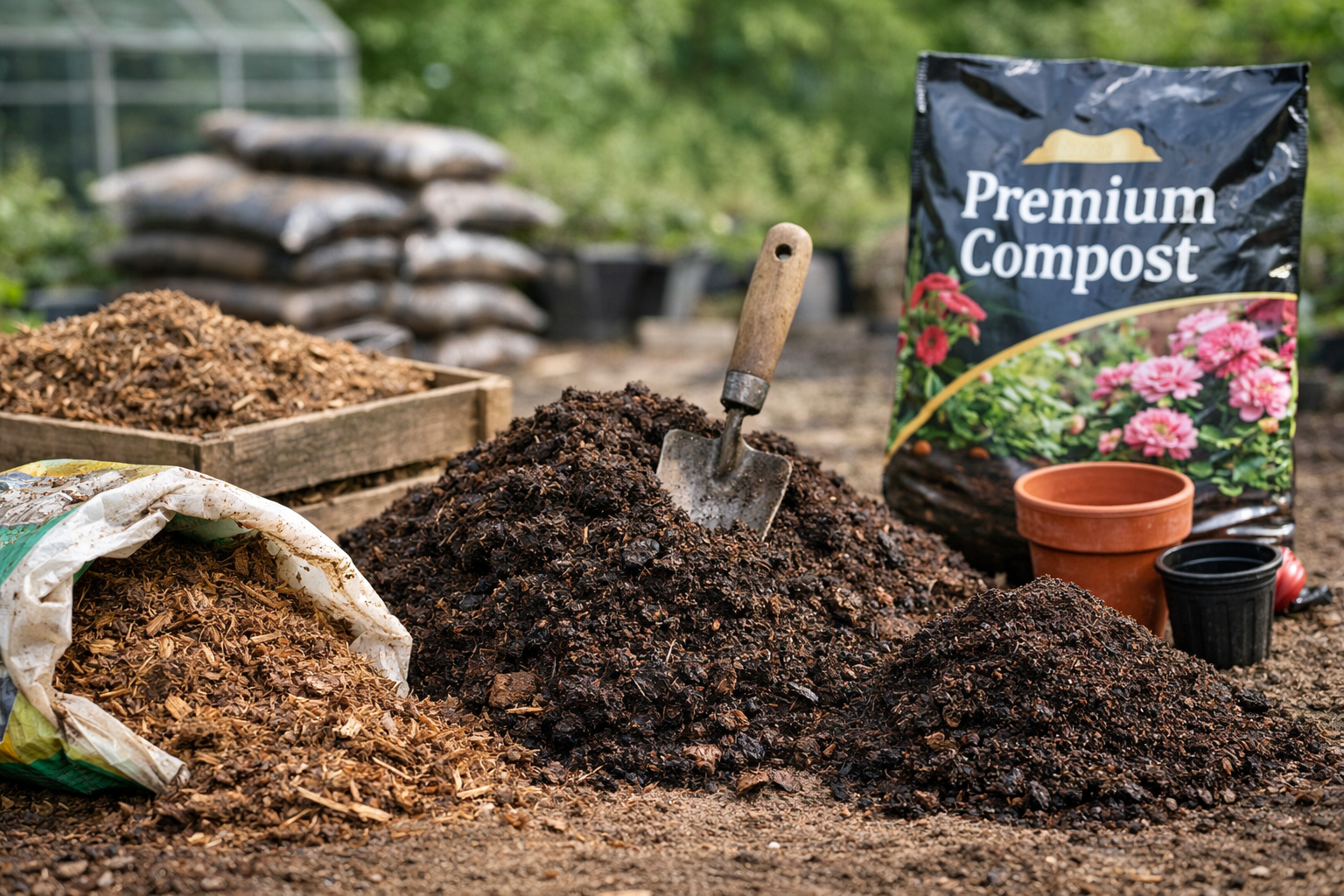
Is there really a difference between cheap and expensive compost? A thoughtful guide to choosing the right compost for your garden.
What Compost Teaches About Renewal and Second Chances

A thoughtful exploration of how compost reveals the quiet power of renewal, patience, failure, and second chances through natural cycles of breakdown and growth.

