
The future of composting looks promising with AI advancements enhancing efficiency, promoting sustainable practices, and integrating composting into circular economies, benefitting communities and the environment.
Tag Archives: Compost
Demystifying Composting: A Simple Guide to Easy and Rewarding Compost Making

Composting is simple and accessible, requiring basic skills. Nature manages decomposition effectively, and anyone can learn to compost with minimal effort.
Understanding Actinomycetes in Compost: Fungi Lookalike Explained

The opinions shared here are based upon my own experiences working with compost and may not be shared by all.
What’s the white stuff in my compost?
The Ultimate Guide to Comfrey: Uses in Gardening and Composting
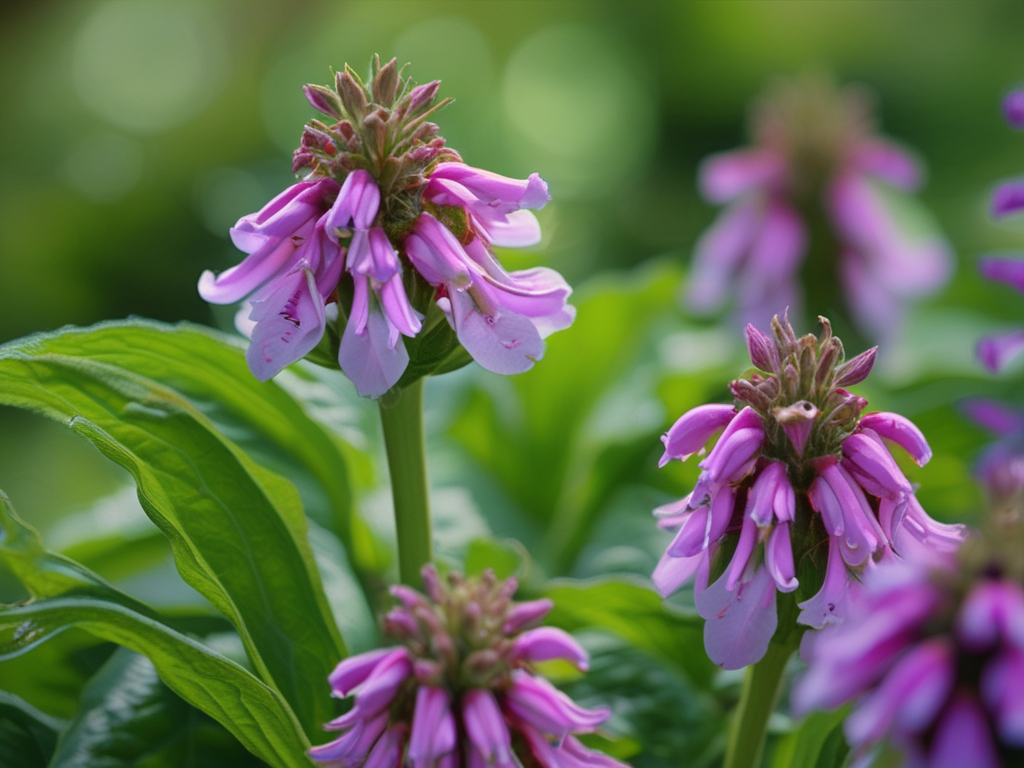
Comfrey is a versatile and nutrient-rich plant beneficial for gardening, composting, enhancing soil, and attracting pollinators like bees and butterflies.
Efficient Meat and Fish Waste Composting: Tips for Odor and Pest Control
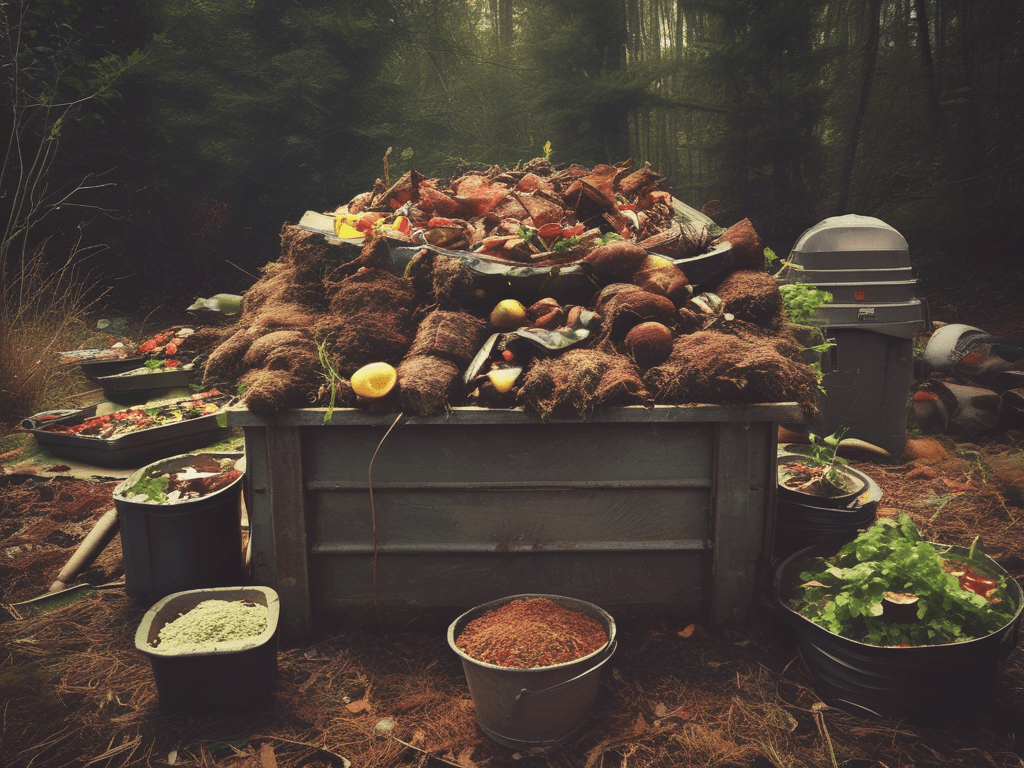
Meat, fish, and dairy products can be composted, especially through hot composting, which reaches temperatures between 130°-180° F for at least two weeks. Hot composting kills pathogens and ensures effective decomposition. However, challenges like attracting pests and slow breakdown exist. Proper burying, limited quantities, and alternative methods like vermiculture and Bokashi fermenting can help.

