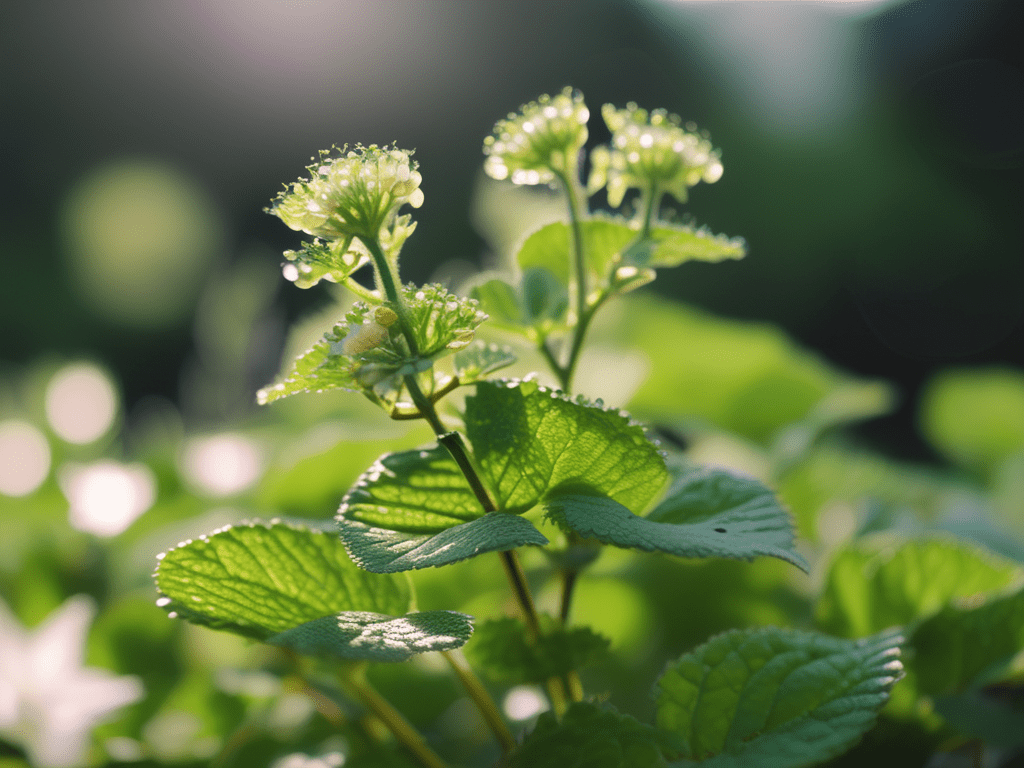
Lemon balm, with its strong scent, repels mosquitoes and can be rubbed directly onto the skin. However, it may cause allergic reactions in some people. This versatile herb is a great companion for various vegetables and herbs in the garden, but its unchecked roots can spread rapidly.
Tag Archives: Flora
Growing Dill: Tips for Planting and Companion Planting

Dill is a beneficial herb with a unique taste resembling celery and anise. It pairs well with brassicas, repelling pests. It can coexist with tomatoes temporarily but may inhibit their growth when mature. Dill also serves as a natural pest deterrent. Careful placement is essential due to its dual impact.
Companion Planting with Marigolds: Natural Pest Control and Garden Enhancement

Marigolds are wonderful flowers for your garden, acting as natural pest repellents and adding vibrant colors. They release chemicals to keep pests like nematodes, beetles, mosquitoes, and aphids at bay. You can even make your own insect spray from the petals. Marigolds also attract pollinators and benefit bug life, making them a charming and beneficial addition to your garden.
Companion Planting with Clary Sage: Tips for Growing and Caring for Salvia Sclarea
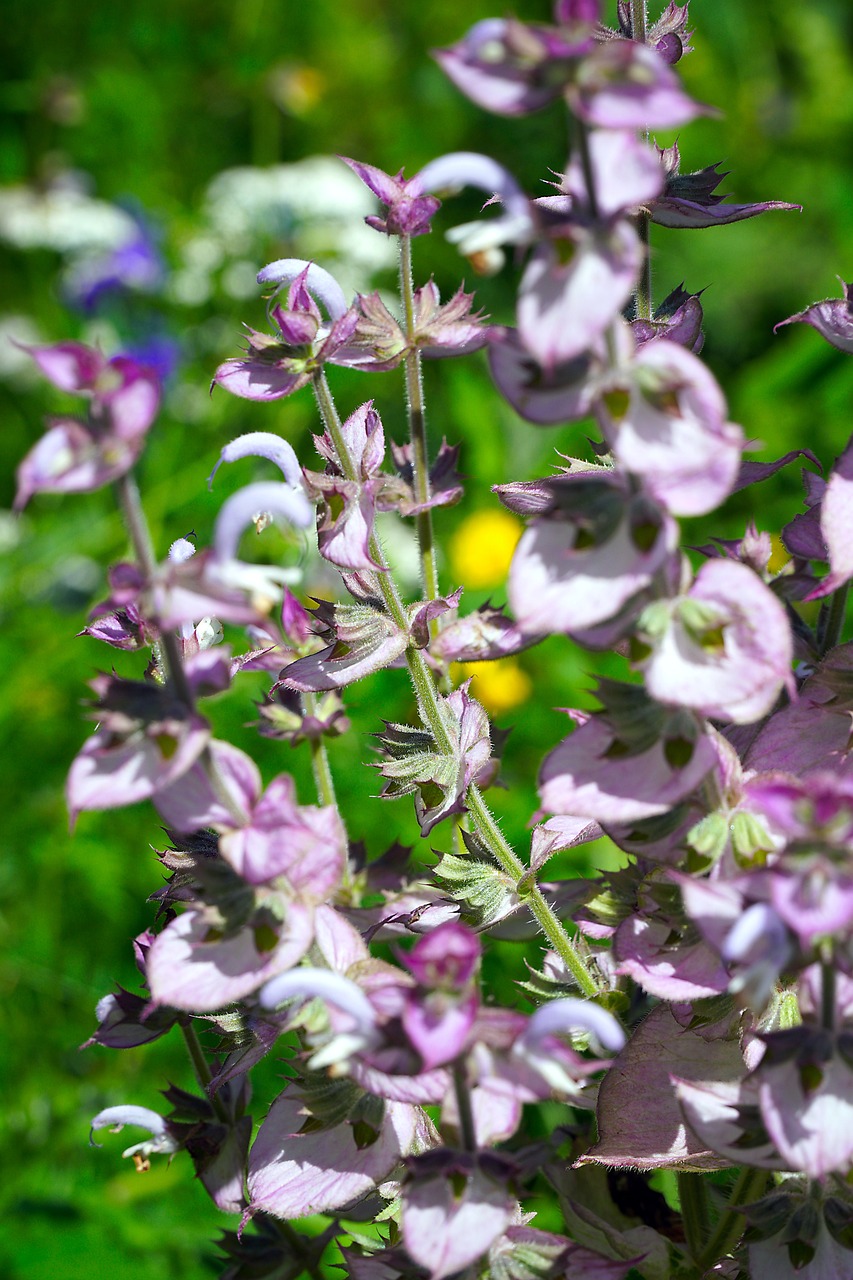
The Clary Sage plant is cherished for its medicinal and aromatic properties. While some may find its scent strange, others appreciate its divine aroma. It has a rich history, with its seeds used in ancient practices. Its adaptability and attractive qualities make it a valuable addition to any garden, attracting beneficial pollinators.
Alexanders/Black Lovage: Historical Significance and Cultural Legacy

Black Lovage, also known as Smyrnium olusatrum, has a rich history and versatile uses. It was brought to England by the Romans and once an esteemed garden herb. Its celery-like taste and texture have won over many foragers. Although foraging for Alexanders can be rewarding, it closely resembles toxic hemlock varieties, posing risks to foragers. Despite its decline in British gardens, it remains a valuable perennial addition to wildlife and cottage gardens, supporting biodiversity.
 Earthly Comforts