
Green Alkanet (Pentaglottis sempervirens) is an invasive perennial plant favored in gardens for its blue flowers and ground cover. While appealing to clients, its rapid spread poses management challenges due to deep roots and difficult removal.
Tag Archives: Gardening
Boost Your Home’s Kerb Appeal with Gardening Tips

Kerb appeal, crucial for a property’s first impression, involves neat landscaping, attractive entrances, and seasonal planting. Enhancements boost property value, attract buyers, and foster neighborly pride, creating a welcoming atmosphere for all.
Designing Wind-Resistant Rooftop Gardens

The author discusses a unique rooftop garden project in Sandwich that requires rejuvenation after a year of neglect. They must select low-maintenance, climate-appropriate plants suitable for elderly clients while ensuring the garden’s vibrancy and resilience against the wind.
Vibrant Flowers for Your Garden: Top Picks

The client requested a list of vibrant flowers suitable for their garden. Suggested options include poppies, tulips, daffodils, dahlias, snapdragons, marigolds, petunias, roses, geraniums, and fuchsias, popular in the UK for their beauty.
Osteospermum: The Perfect Low-Maintenance Garden Flower
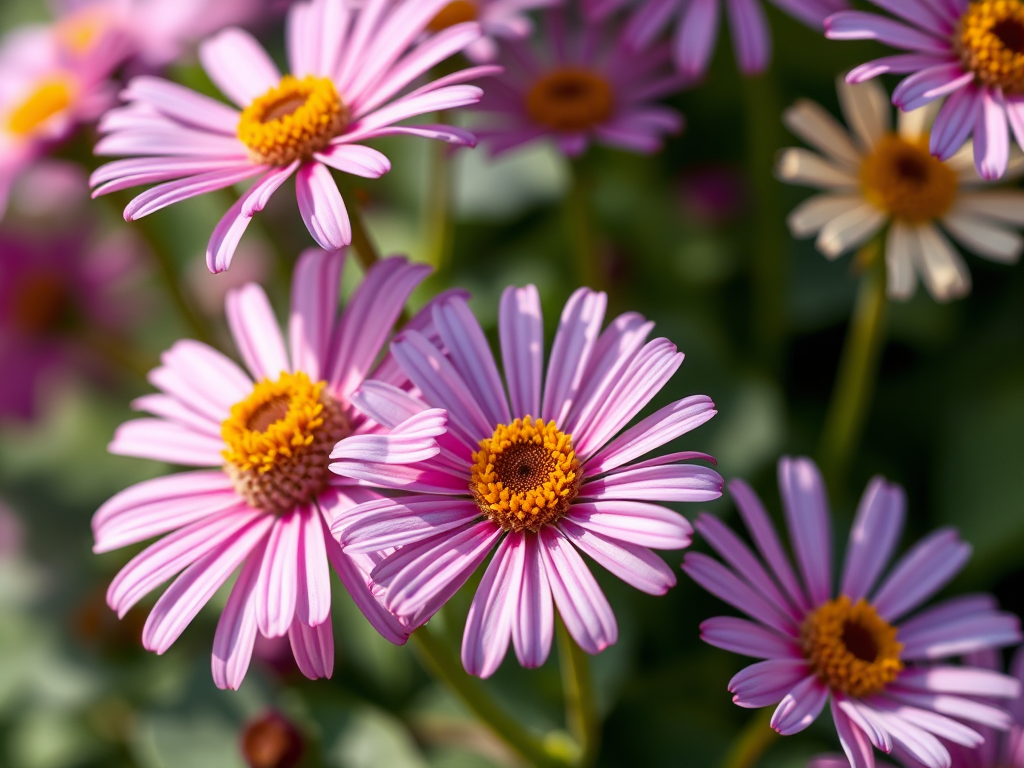
Osteospermums, or African Daisies, are low-maintenance, drought-tolerant flowers that enhance garden aesthetics with vibrant colors. They attract beneficial insects, support ecosystems, and offer versatility in garden design, thriving in sunny, well-drained environments.

