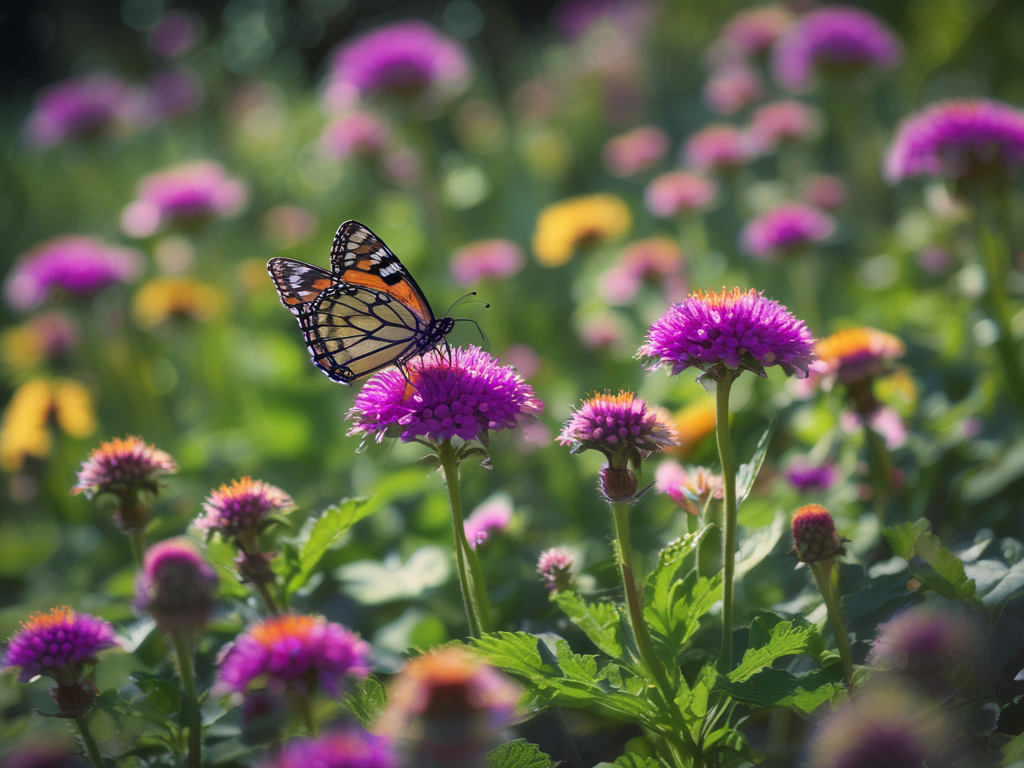
Dead Nettle Flowers – Pixabay How can we encourage more wildlife to our green spaces? When people read, see, or hear stories about the state of our planet and how we all need to do more, many think of the more significant issues such as climate crisis, sewage leakages, ocean acidification, ecological breakdown, biodiversity loss,ContinueContinue reading “Insect Preservation: Taking Small Actions for Big Environmental Impact”
Tag Archives: Nature
Foxglove: Stunning Biennial Plant and Intriguing History Unveiled

Foxgloves are captivating biennial plants, loved for their beauty and adaptability. They thrive in well-drained soil and are attractive to pollinators, but highly toxic.
Yellow-Necked Mouse (Apodemus flavicollis) Species and Characteristics

The yellow-necked mouse is a social, adaptable rodent with distinct features. It thrives in various environments, displaying resilience, climbing ability, and a diverse diet.
Harvest Mouse (Micromys minutus) – The Smallest British Mouse Species in Conservation

The Harvest Mouse, Britain’s smallest mouse species, is critically endangered due to habitat loss and harsh winters, requiring conservation efforts to ensure its survival.
Creating a Bee-Friendly Garden: Tips for Attracting Pollinators

We can all do our bit for nature, and we don’t need to have considerable gardens to provide a duty of care to our wildlife,

