
Black Lovage, also known as Smyrnium olusatrum, has a rich history and versatile uses. It was brought to England by the Romans and once an esteemed garden herb. Its celery-like taste and texture have won over many foragers. Although foraging for Alexanders can be rewarding, it closely resembles toxic hemlock varieties, posing risks to foragers. Despite its decline in British gardens, it remains a valuable perennial addition to wildlife and cottage gardens, supporting biodiversity.
Tag Archives: Photographs
Earthworm Reproduction: A Fascinating Mating Ritual

Earthworms have a unique simultaneous hermaphroditic nature, possessing both male and female reproductive organs, but they cannot reproduce alone. Their mating process involves the exchange of sperm to fertilize eggs. They are remarkably efficient, reproducing every ten days and doubling their population every two to three months. They don’t lay eggs but produce cocoons with varying numbers of eggs.
How to Help Bees Thrive: Essential Tips and Ideas

The winter behavior of bees varies, with some, like the Honey Bee, remaining active. Changes in climate have led to more active nests and species adapting to survive. Bees play a crucial role in pollination, contributing to 35% of agricultural lands worldwide. Conservation efforts, such as introducing Bee Hotels and planting diverse flowers, are essential. Supporting local beekeepers and avoiding pesticides are also key in protecting bees and promoting healthy biodiversity.
Encouraging Hedgehog Wildlife into Gardens: Tips & Ideas
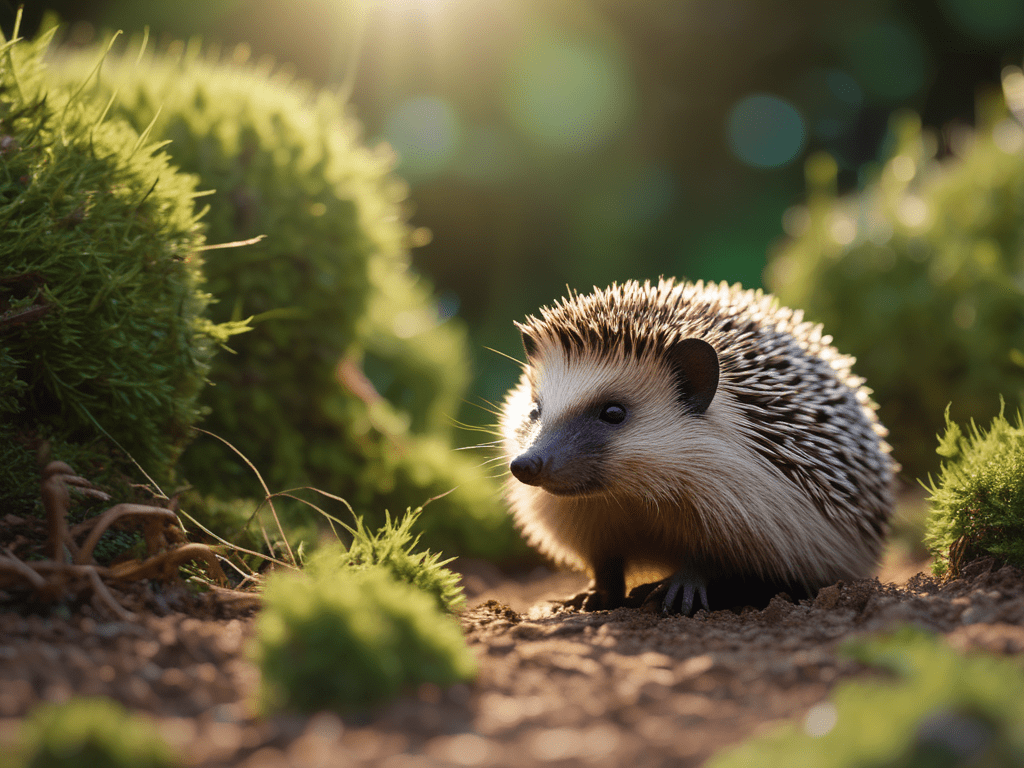
To attract hedgehogs to your garden, create wildlife-friendly environments with hedgehog highways, avoid hazards, establish wild corners, ensure safe water access, supplement diets responsibly, and eliminate harmful chemicals, promoting a supportive ecosystem for these vulnerable creatures.
 Earthly Comforts