
Composting various leaves can be effective, with options like hot or cold methods. Understanding specific leaf properties, techniques like shredding, and ensuring the materials’ health are crucial for successful composting.
Tag Archives: Questions
Fascinating Earthworm Facts: Mouth, Prostomium, and Sensory Adaptations
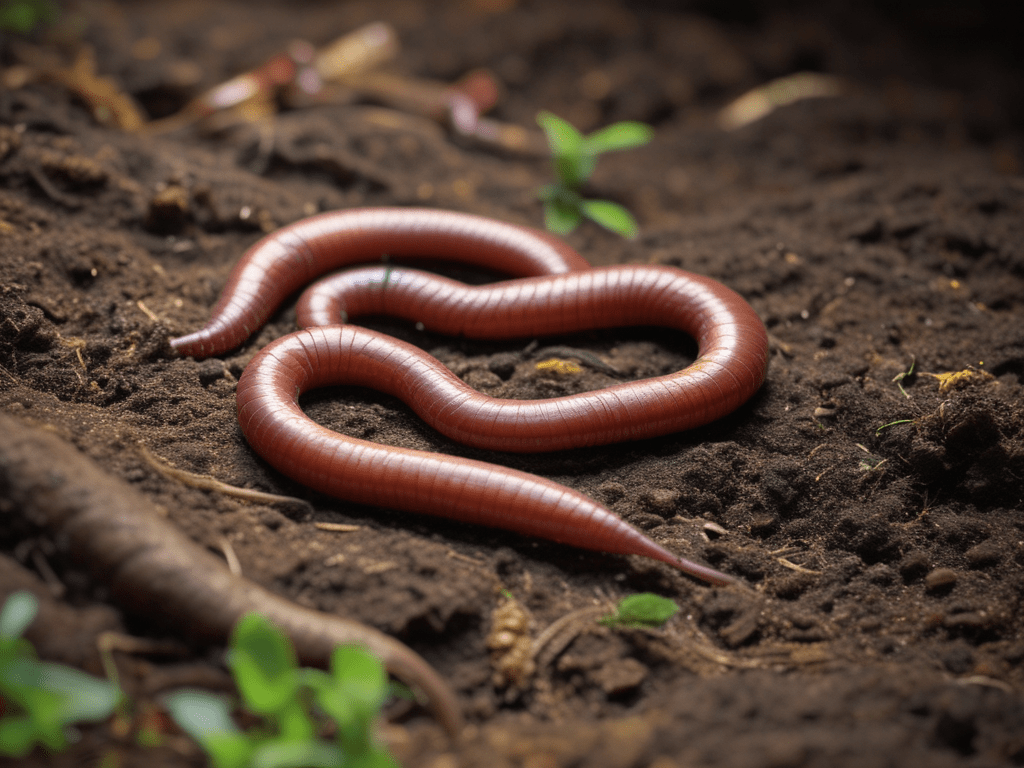
Earthworms have a mouth, but no eyes or teeth. The prostomium, the first section of a worm, contains the mouth and sensory receptors that detect the environment. Worms suck their food into a muscular mouth, then digest it into nutrients and waste. They breathe through their skin and have five hearts.
Earthworm Reproduction: A Fascinating Mating Ritual

Earthworms have a unique simultaneous hermaphroditic nature, possessing both male and female reproductive organs, but they cannot reproduce alone. Their mating process involves the exchange of sperm to fertilize eggs. They are remarkably efficient, reproducing every ten days and doubling their population every two to three months. They don’t lay eggs but produce cocoons with varying numbers of eggs.
Expand Your Composting Horizons: Unusual Materials to Compost

You can compost garlic, onions, avocado, ginger, soft fruits, eggshells, tea bags, fur, hair, nail clippings, paper napkins, cooked food, nut shells, stale foods, and even pet bedding and droppings. Non-glossy paper, sticky notes, and feathers are also compostable. Experiment and discover the wide range of items that can be composted.
 Earthly Comforts