
Angelica, also known as ‘wild celery,’ is a low-maintenance herb that thrives in shaded, moist, and well-drained soil. It belongs to the parsley family and is used in alcoholic drinks, cooking, baking, and for medicinal purposes. With a beautiful scent and wildlife appeal, it is a valuable addition to gardens. Angelica is best harvested in spring for its tender stalks, and it can be grown alongside sage, mint, and marjoram.
Tag Archives: Quick Tips
Growing Rosemary: Natural Pest Repellent and Homemade Mosquito Repellent
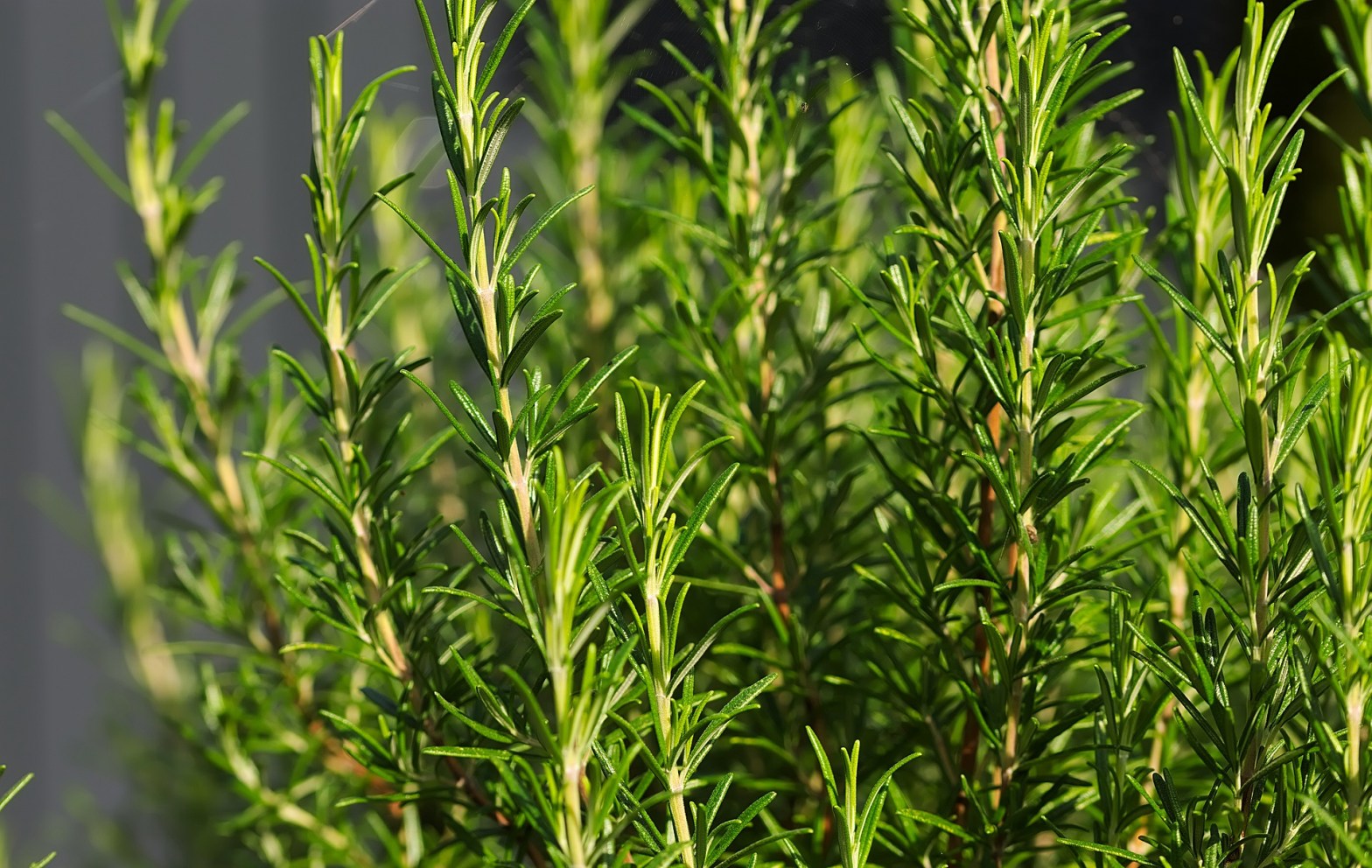
Rosemary is a versatile herb that repels mosquitoes, flies, and aphids. It can be grown easily in pots or in the ground with ample sunlight. To create a homemade mosquito repellent, steep dried Rosemary in boiling water, strain, and then use as a spray. Planting Rosemary with marigolds, parsley, chives, and sage provides added protection for growing vegetables.
Practical Guide: Using Petunias for Natural Pest Control

The beauty and benefits of companion planting. Techniques to introduce different flowers, plants and herbs with an attitude that can support and improve soil conditions, increase fertility, offer shelter and attract and repel insects simultaneously.
Lemon Balm: Natural Mosquito Repellent and Garden Companion
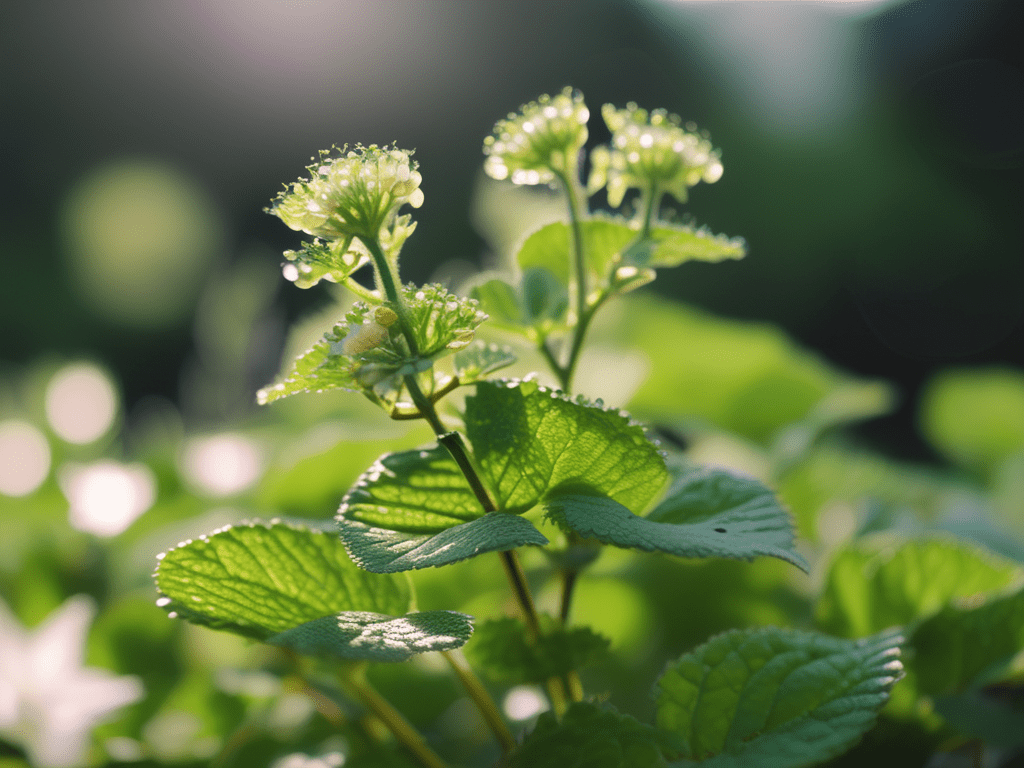
Lemon balm, with its strong scent, repels mosquitoes and can be rubbed directly onto the skin. However, it may cause allergic reactions in some people. This versatile herb is a great companion for various vegetables and herbs in the garden, but its unchecked roots can spread rapidly.
Growing Dill: Tips for Planting and Companion Planting

Dill is a beneficial herb with a unique taste resembling celery and anise. It pairs well with brassicas, repelling pests. It can coexist with tomatoes temporarily but may inhibit their growth when mature. Dill also serves as a natural pest deterrent. Careful placement is essential due to its dual impact.
 Earthly Comforts