
Dock leaves, known for their soothing properties for nettle stings, evoke nostalgia for a woodland environment. They can also be eaten and are popular with butterflies and other insects. However, they can be challenging to control due to their deep taproots and prolific seed production. They thrive in poor soil and are valued in wildlife gardens.
Tag Archives: Weed
Shepherd’s Purse (Capsella bursa-pastoris) – A Delightful Little Weed

Shepherd’s Purse, a plant from the mustard family, is a versatile weed or wildflower, known for its heart-shaped seed pods and edible leaves, thriving in various environments and attracting pollinators.
The Beauty of Lesser Celandine: A Wildflower, Weed, and Herb | UK Native Plant
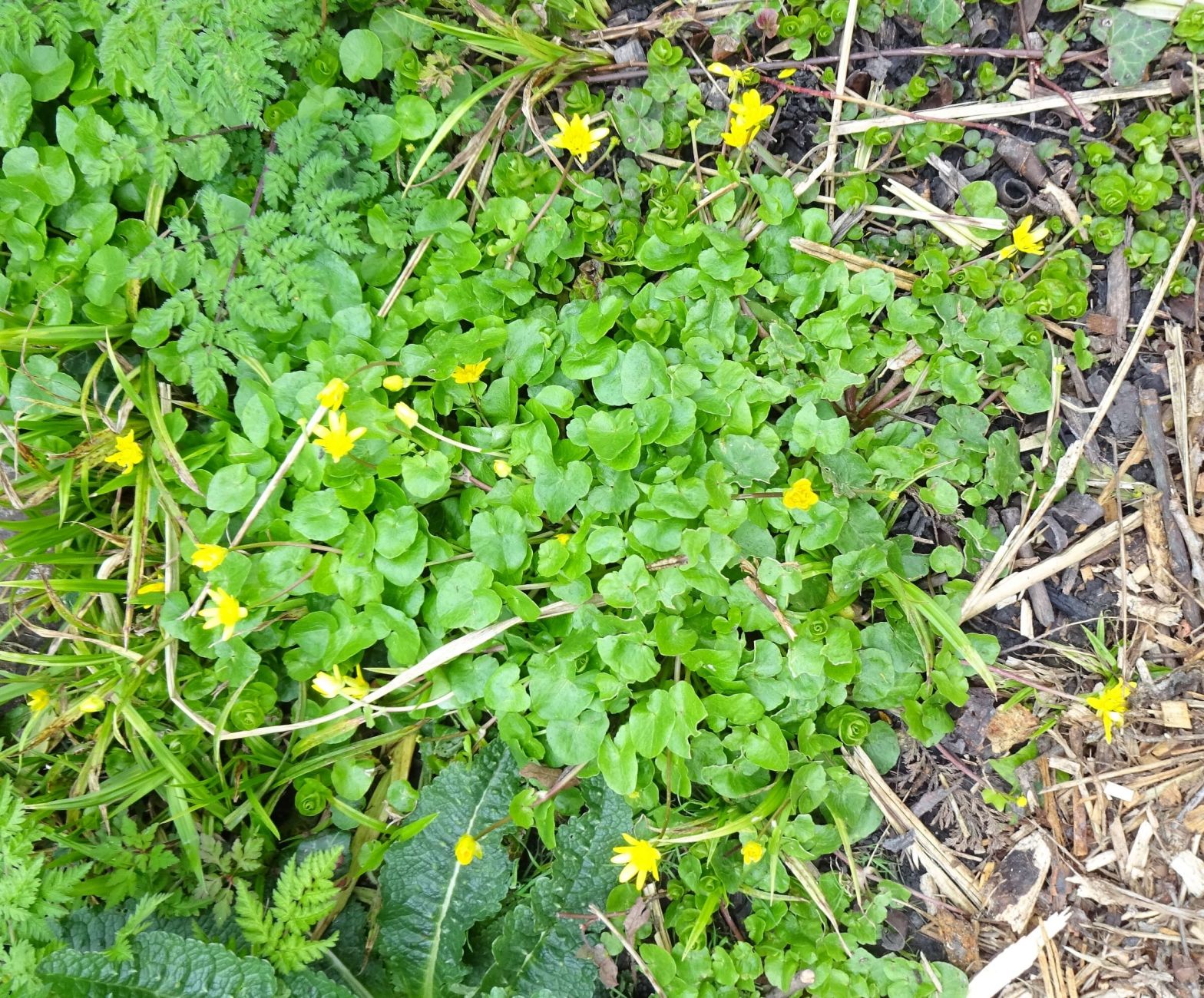
Lesser Celandine (Ficaria verna) is a bright yellow wildflower and perennial that can be invasive but also beneficial for early pollinators. It’s notable for its potential toxicity.
Forget-me-not (Myosotis arvensis) – Delicate Beauty for Wildlife Gardens

The Forget-me-not, also known as Myosotis arvensis, is a charming wildflower with delicate sky blue, pink, or white flowers and yellow centers. It thrives from April to September, self-seeding and sprouting the following year. Ideal for wildlife gardens, it attracts bees and other pollinating insects with its nectar, and provides seeds for some bird species.
Discover the Versatility of Burdock: Medicinal Uses and Culinary Delights

Burdock, also known as Arctium lappa, is a plant with edible roots, stalks, and leaves. It has significant nutritional value and is popular in various dishes. Despite its invasive nature, it offers benefits to soil health and wildlife. The plant is often mistaken for harmful species, so caution is advised when foraging or purchasing.
 Earthly Comforts