
Burdock, also known as Arctium lappa, is a plant with edible roots, stalks, and leaves. It has significant nutritional value and is popular in various dishes. Despite its invasive nature, it offers benefits to soil health and wildlife. The plant is often mistaken for harmful species, so caution is advised when foraging or purchasing.
Tag Archives: Wildlife
Discover the Versatility of Lambs Quarters: Spinach Substitute and More
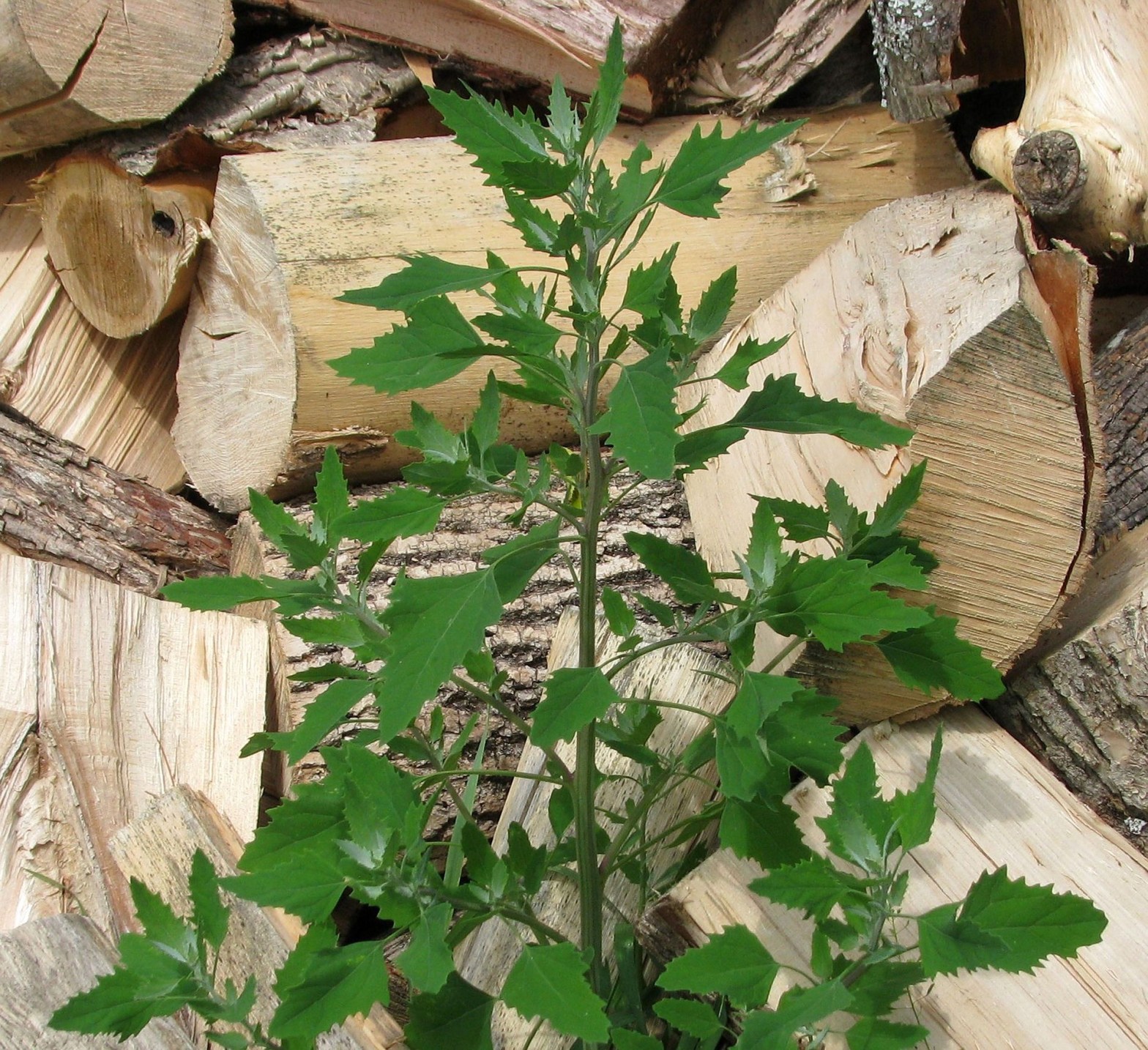
Lambs Quarters, also known as Fat Hen and White Goosefoot, is a versatile and historically significant weed. It can be foraged as wild food, with potential as a spinach substitute. Caution is advised due to health implications of large consumption. The plant also offers medicinal tea, skin health benefits, and flour from its seeds. Its ecological role and soil improvement properties make it an important part of the ecosystem.
Versatile Nettles: Uses in Composting, Fertilizing, and Wildlife Support

Nettles, often overlooked as weeds, are incredibly versatile. They contribute to gardening, composting, herbal remedies, and even culinary delights like Nettle wine. They provide ample foliage for butterflies, serve as a rich food source for caterpillars, and benefit worm farms by adding nitrogen. Nettles are a valuable asset for both gardeners and wildlife.
Attracting and Encouraging Birdlife in Your Garden: Tips and Techniques

The secret to attracting more birdlife to your garden lies in strategic placement of feeders and watering facilities, providing nesting opportunities, maintaining a secure environment, and considering the seasonal needs of different bird species. Offering a variety of food, water, and shelter will encourage birds to visit, nest, and forage in your green space.
Intelligent and Curious: The Fascinating Traits of Magpies
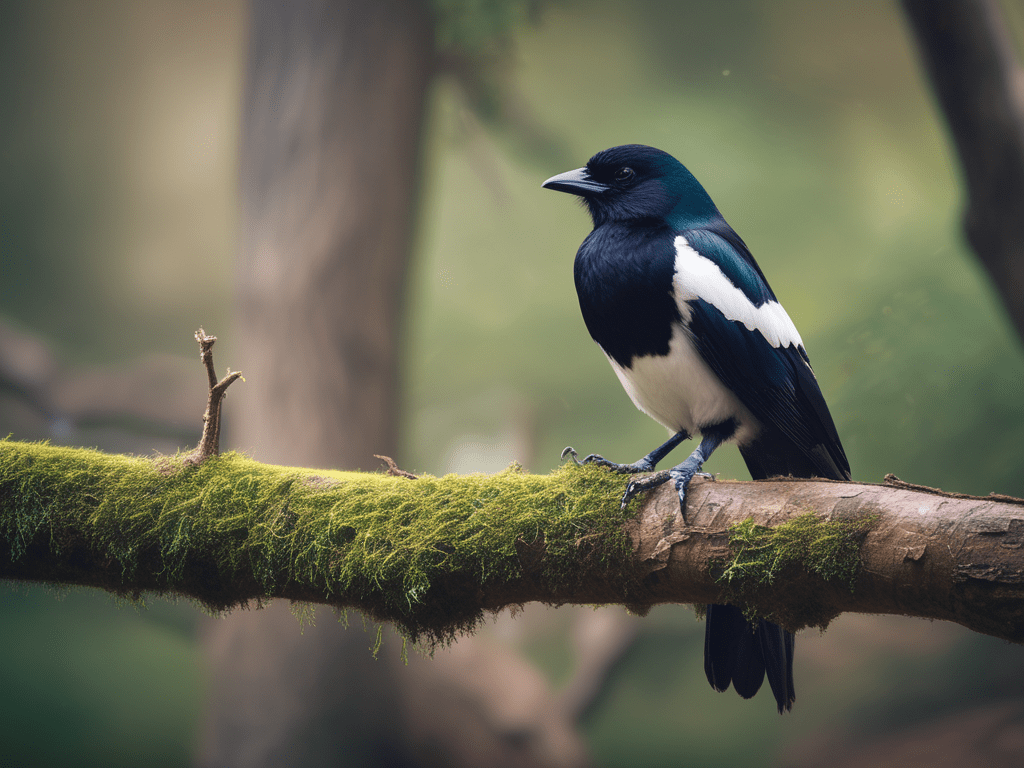
The Magpie, known for superstitions and folklore, is a member of the corvid family. Considered intelligent and curious, it can recognize itself in a mirror and remember humans. Often seen as pests, they are scavengers and omnivores. Magpies are social birds but can be aggressive during breeding season. They have various names and are part of rich folklore.
 Earthly Comforts