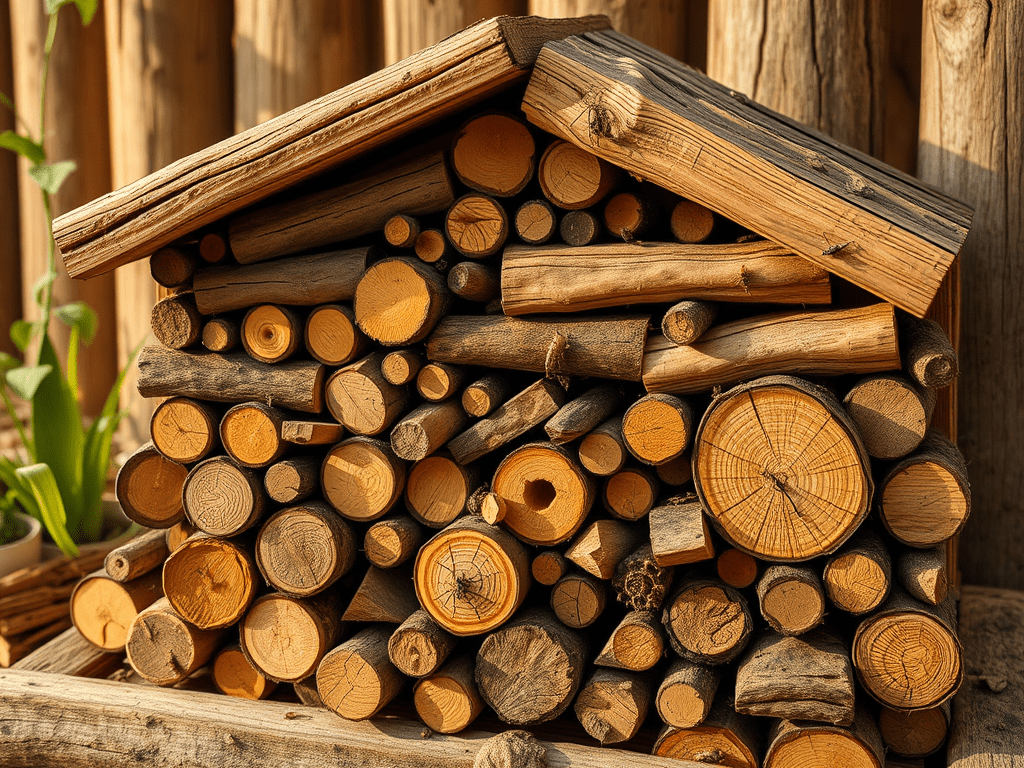
| Why a Bug Hotel Belongs in Your Garden Bug hotels are important because they support the tiny but mighty creatures that keep our ecosystems thriving. Here’s why they really matter: Think of a bug hotel as a cosy little eco-lodge for insects—and it has many excellent benefits for your garden and the environment. Here’s why you might want to build one: |

| More Bugs, Better Biodiversity Bug hotels work by providing a safe and comfortable environment for insects. They attract helpful insects, such as solitary bees, ladybugs, beetles, and spiders. These little visitors help create a healthier, more balanced garden ecosystem. More bugs = more life! A Boost for Pollinators Solitary bees (don’t worry—they’re super chill and non-aggressive) love bug hotels for nesting. And they’re fantastic pollinators—often even better than honeybees—so your flowers, fruits, and veggies will seriously thrive. Natural Pest Control Forget the harsh chemicals. Friendly insects like ladybugs, lacewings, and certain beetles love to snack on common pests like aphids and mites. By giving them a place to stay, you’re encouraging nature to handle pest control for you. Eco-Friendly & Sustainable You can make a bug hotel using stuff you’d typically toss out—twigs, pinecones, hollow stems, old pots, and even bricks. It’s a great way to reuse materials and keep things green. Great for Curious Minds Whether you’ve got kids around or you’re just a curious adult yourself, bug hotels are like mini science projects right in your backyard. They’re hands-on, fun, and a terrific way to learn about local wildlife. Small Effort, Big Impact Even a tiny bug hotel can make a real difference for insects losing their homes due to urban development and climate change. It’s a simple action that supports the bigger picture. |
| How to Make One (It’s Easier Than You Think) Here’s a quick guide to building your bug hotel with materials you probably already have lying around: |
| What You’ll Need: A wooden box, old crate, or pallet wood (for the frame) Hollow stems (like bamboo, elder, or teasel) Twigs, pinecones, dry leaves, bark, straw, or hay Bricks with holes or upside-down clay pots Optional: chicken wire to keep things in place A drill, if you want to make holes in wood blocks for bees |
| Steps to Build: Create the Frame: Use untreated wood to build a sturdy box. You can stand it upright or lay it horizontally. Just ensure it has some cover or roof to avoid rain, which protects the insects living in the bug hotel. Divide It Into Sections: Add small planks or stuffed materials tightly to create little “rooms” for different bugs to move into. Add Natural Materials: For bees: Hollow stems or drilled wood blocks. For ladybugs & lacewings: Dry leaves, straw, cardboard. For beetles & woodlice: Bark, old wood, twigs. For spiders: Pinecones or tight little crevices. For earwigs: Rolled paper or cardboard tubes. Secure Everything: Pack the materials snugly so they don’t fall out. If needed, wrap a bit of chicken wire over the front. Choose the Right Spot: Find a sunny, sheltered place with nearby plants or flowers. Ideally, it should be a few feet off the ground, facing south or southeast. |
| Extra Tips: Skip-treated wood or anything synthetic. Keep it dry—an overhanging roof helps, or tuck it under an eave. Let nature do its thing—don’t fuss with it too much. Add flowers nearby to attract even more pollinators. |
| So yeah, it looks like a cute pile of twigs and leaves, but a bug hotel is a little powerhouse of biodiversity. Bug hotels are a simple, affordable way to help the planet—one tiny guest at a time. |


What an excellent idea, Rory! Thanks for sharing.
LikeLiked by 1 person
Pleasure 🙂
LikeLiked by 1 person