
| Weasles Mustela |
| When I was a teenager living in Surrey, I used to see a lot of weasels, a furry slip of an animal darting across footpaths. However, these days, I have seen very few. Even during my time volunteering in Gazen Salts, I saw very few. Small, they may be, but they pack a punch! I still remember witnessing a giant jerboa being overwhelmed by a weasel. It was not a pleasant sight! The reality is that the weasel is a predator to some mammals and yet a prey item to bigger threats. |
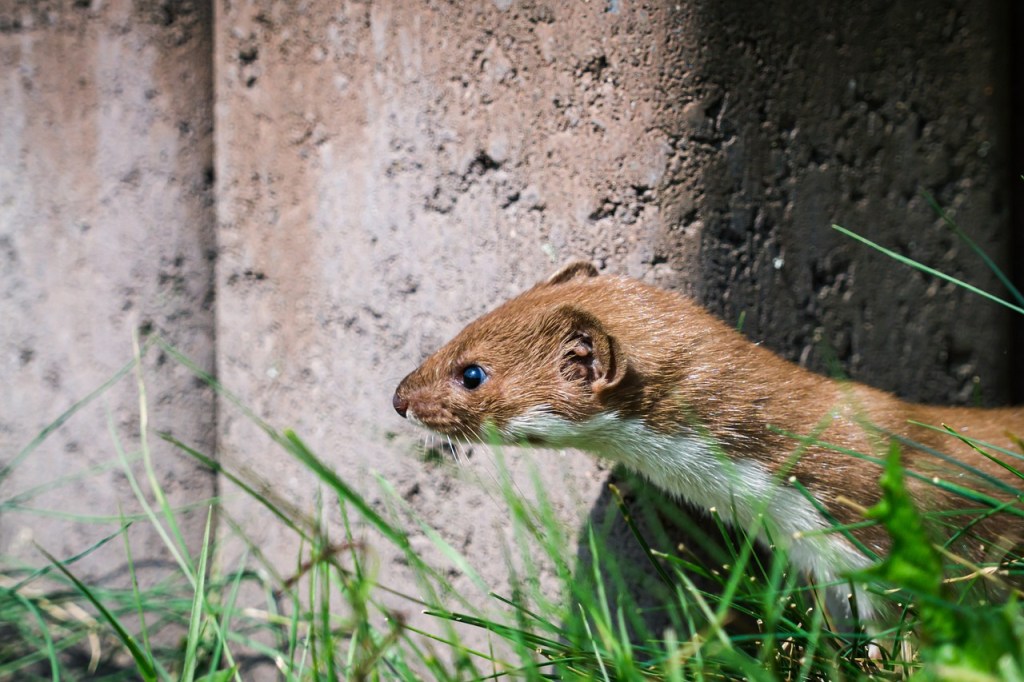
| Weasels are the smallest carnivores in the UK and belong to the mustelid family, which also includes stoats, otters, and badgers. Their unique features, such as their slim, stretched-out body, short tails, and reddish-brown fur with a creamy white underside, make them fascinating species. Unlike stoats, weasels don’t have a black tip on their tail, making them easily distinguishable. Weasels, with their remarkable adaptability, have spread across mainland Britain, thriving in various environments—woodlands, grasslands, heathlands, moors, farmland, and even some urban areas. Their absence in Northern Ireland and most surrounding islands is a testament to their adaptability and survival skills, a feat that commands respect. With their quick and nimble nature, weasels are all about small mammals—voles and mice are their go-to meals. Their ability to chase prey into their burrows and occasional hunts for small birds and rabbits showcase their agility and speed, a skill that is both impressive and essential for their survival. Breeding season runs from April to August. Female weasels usually have one or two litters yearly, with three to six kits each. The young ones are weaned by about three to four weeks old and are already skilled hunters by eight weeks. Unlike some mustelid relatives, weasels don’t experience delayed implantation, so their populations can bounce back quickly when food is plentiful. It’s common for people to confuse weasels and stoats, but there are apparent differences that can help you tell them apart. Stoats, for instance, are larger, have a longer tail with a distinctive black tip, and move with a bounding, arched gait. On the other hand, weasels have a more straightforward, quick dash when they run. |
| Are they in decline as a species? Currently, weasels in the UK aren’t protected by specific conservation laws and are not officially listed as a species of concern. On a global scale, they’re still considered to be of “Least Concern,” which means they’re not supposed to be at risk of extinction. Recent research has shown that weasels are becoming less common in certain parts of the UK. Their numbers are going down steadily, and if that trend continues, they could eventually be classed as vulnerable here. The reasons for this decline are complex and may include habitat loss, land use changes, and climate change. So, even though they’re not officially protected, there’s growing concern among wildlife experts. One challenge is that weasels are sometimes viewed as pests, especially in areas where gamebirds are bred and often trapped. Their population also tends to rise and fall depending on how much prey—like voles and mice—is available. But because they breed quickly, they can bounce back when food is plentiful. So overall, weasels aren’t under formal conservation just yet, but people are starting to pay more attention to their decline. If things keep going as they are, there may be calls for protection in the future. |
| Weasels and Their Wildlife Neighbours Top Mini Predators: Weasels are in their size class near the top of the food chain. They mostly hunt small mammals like voles, mice, shrews, and sometimes young rabbits. So, weasels are a serious threat to these animals. Not Big on Sharing: Weasels are pretty solitary and territorial. They usually don’t get along with other weasels unless it’s mating season, and they’ll defend their hunting grounds from other small predators. Sneaky Hunters: Because they’re small and silent, they often go unnoticed by other animals until it’s too late. Their long bodies help them follow prey into tunnels and burrows, which gives them a considerable hunting advantage. Prey for Bigger Animals: Even though they’re predators, weasels aren’t invincible. Owls, foxes, buzzards, and even domestic cats will prey on them if they can. They’re fast, but they must keep their wits about them. Impact on Bird Nests: Weasels sometimes raid nests for eggs or chicks, especially ground-nesting birds. This has caused tension in areas where rare birds are being protected, which is one reason why some gamekeepers see weasels as pests. Helping Balance the Ecosystem: Weasels help maintain balance in their ecosystems by keeping rodent populations in check. Fewer rodents mean healthier crops and less pressure on food sources that other animals depend on. Avoiding Bigger Mustelids: Weasels avoid larger mustelids like stoats and badgers. They won’t pick fights they can’t win, and they know when to keep a low profile. |
| Fun & Fascinating Facts About Weasels Did you know that weasels might be small—some are barely bigger than a pencil—but they’re fierce little hunters? Their size doesn’t stop them from taking down animals more significant than themselves, thanks to their speed and agility. This unique characteristic makes them stand out in the animal kingdom. Super High Metabolism: Weasels burn energy so fast that they must eat about a third of their body weight daily. That’s like a person needing to eat dozens of burgers daily to stay alive! Flexible Bodies: Their long, skinny bodies aren’t just for show—they help weasels squeeze into narrow burrows and tunnels while chasing prey like mice and voles. Born to Hunt: Young weasels are already skilled hunters at 8 weeks old. That’s a pretty impressive résumé for someone barely two months old. No Black Tip? That’s a Weasel: A common mix-up happens with stoats, their close cousins. Stoats have black tips on their tails, but weasels don’t. That’s the easiest way to tell them apart. Weasels Don’t Walk… They Zoom: These little creatures are lightning-quick. They dart and dash rather than walk, and when they’re really on the move, it’s more like a zigzag sprint. They’re Everywhere (Well, Almost): You can find weasels across most of mainland Britain in fields, woodlands, hedgerows—even in the occasional garden. But they’re not found in Northern Ireland or most offshore islands. One Tough Parent: Mother weasels raise their litters solo and are incredibly protective. They teach their young to hunt and survive quickly. Nature’s Pest Control: Weasels play a crucial role in maintaining the balance of our ecosystem. By preying on rodents, they help control their populations, preventing potential damage to crops and the spread of diseases. This makes them an essential part of our natural pest control system. They’ve Got a Reputation: “Weasel” is often used as an insult (unfairly, if you ask me) because people think of them as sneaky. But in reality, they’re just clever, efficient predators doing their thing. |
 Earthly Comforts
One thought on “Understanding the Weasel: A UK Predator”