


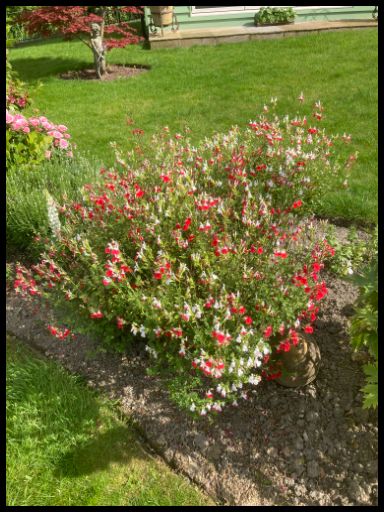

| Salvias: The Spirited Stars of the Garden If ever a plant could be called the life of the party, it would be Salvia. With their dazzling colours, aromatic leaves, and long flowering season, salvias are the garden’s natural show-offs—and we love them for it. Salvia suits your space whether you’ve got a sunny border in Kent or a balcony in Berlin. But these aren’t just pretty faces. Salvias are a vast and diverse group of plants (over 900 species!), with varieties that range from hardy herbaceous types to tender tropicals. Think of them as the Swiss army knife of the gardening world: vibrant, versatile, and pollinator magnets. |
| Meet the Family: What Are Salvias, Anyway? Salvias belong to the mint family (Lamiaceae), and you’ll notice it if you crush a leaf—many have that distinctive, fragrant, herby scent. You may already be familiar with one of their best-known relatives: culinary sage (Salvia officinalis), beloved in stuffings and roasts. But step into the ornamental salvia world, and you’ll be in for a real treat. Think spires of electric blue, velvet purple, lipstick red, soft peach, or crisp white—all fluttering in the breeze from late spring to the first frost. They’re a favourite with bees, butterflies, and hoverflies, too. |
| Some popular varieties for UK gardens include: Salvia ‘Amistad’ – Deep purple and dramatic, a real statement plant. Salvia nemorosa’ Caradonna’ – Hardy, upright, and elegant with violet-blue spikes. Salvia microphylla’ Hot Lips’ – Quirky red and white flowers and a long season. Salvia’ Black and Blue’ – Striking cobalt blooms with almost black calyces. Salvia officinalis is a good old-fashioned sage you can grow for both cooking and bees. |
| Why Grow Salvias? Besides being gorgeous, salvias tick several excellent boxes: Long flowering period – Often from May to October or beyond. Pollinator-friendly – A feast for bees, butterflies, and hummingbirds (if you’re lucky enough to have those). Drought-tolerant – Once established, many salvias don’t need much water. Low-maintenance – Most want sun and good drainage. Versatile – Use in borders, pots, gravel gardens, or as companions to roses. They also come in various sizes—from neat mounds under 30cm tall to towering beauties over 1.5m—making them ideal for almost any space. |
| Growing Salvias: Tips for Success Here’s how to keep your salvias thriving and happy: 1. Choose the right type Hardy salvias (like S. nemorosa, S. x sylvestris, and S. verticillata) can easily handle UK winters. Half-hardy and tender salvias (like S. guaranitica and S. splendens) prefer a frost-free spot or winter protection. 2. Sunshine lovers Give salvias a sunny position—ideally 6+ hours of sun per day. They’ll tolerate light shade, but they bloom best in full sun. 3. Well-drained soil These plants hate soggy roots. If your soil is heavy, improve drainage with grit, or grow them in raised beds and containers. 4. Watering and feeding Water regularly in the first year to establish roots. After that, they’re quite drought-tolerant. Feed container salvias every 2–3 weeks with a liquid tomato feed during summer. 5. Deadheading & pruning Regular deadheading = more flowers! In spring, cut back herbaceous salvias to new shoots at the base (March/April). Don’t cut back in autumn—leave stems for winter protection and wildlife shelter. Just tidy if needed. 6. Overwintering tips (UK-focused) Hardy types can stay outside all year. Tender salvias (like S. ‘Amistad’) can be overwintered in a greenhouse or conservatory or mulched well at the base and left in situ in mild regions. |
| Salvias Around the World Salvias hail from Central and South America, the Mediterranean, Asia, and even southern Africa. This global heritage means there’s a salvia for nearly every climate. In California, they thrive in xeriscape gardens; in Italy, they bask in the heat beside olives; in Japan, compact varieties bloom in courtyard pots. And here in the UK? We’re catching up as more gardeners discover how easy and rewarding they are. |
| In the Wildlife Garden If you’re gardening with nature in mind, salvias are a solid pick. Long-tongued bees and hoverflies adore their tubular flowers. Plant alongside lavender, echinacea, and verbena for a pollinator paradise. Try mass-planting salvias for real impact, or weave them through a perennial border to add contrast, height, and late-summer colour. |
| Fun Facts The name “salvia” comes from the Latin salvere, meaning to heal—a nod to their ancient medicinal use. In Mexico, Salvia divinorum is a sacred plant used by the Mazatec people (not one for the average garden, though!). Salvia’ Hot Lips’ can change its flower colour depending on temperature—sometimes red, sometimes white, often both. |
| Ready to Fall in Love With Salvias? Suppose your garden needs a bit more colour, more life, or a touch of the exotic—plant salvia (or three). Whether you’re a wildlife gardener, a container grower, or someone who loves a low-fuss flower with high-impact flair, salvias deserve a spot in your patch. Just give them sun, drainage, and a bit of a haircut now and then—and they’ll reward you for months. |
 Earthly Comforts
sooo pretty!
LikeLiked by 1 person