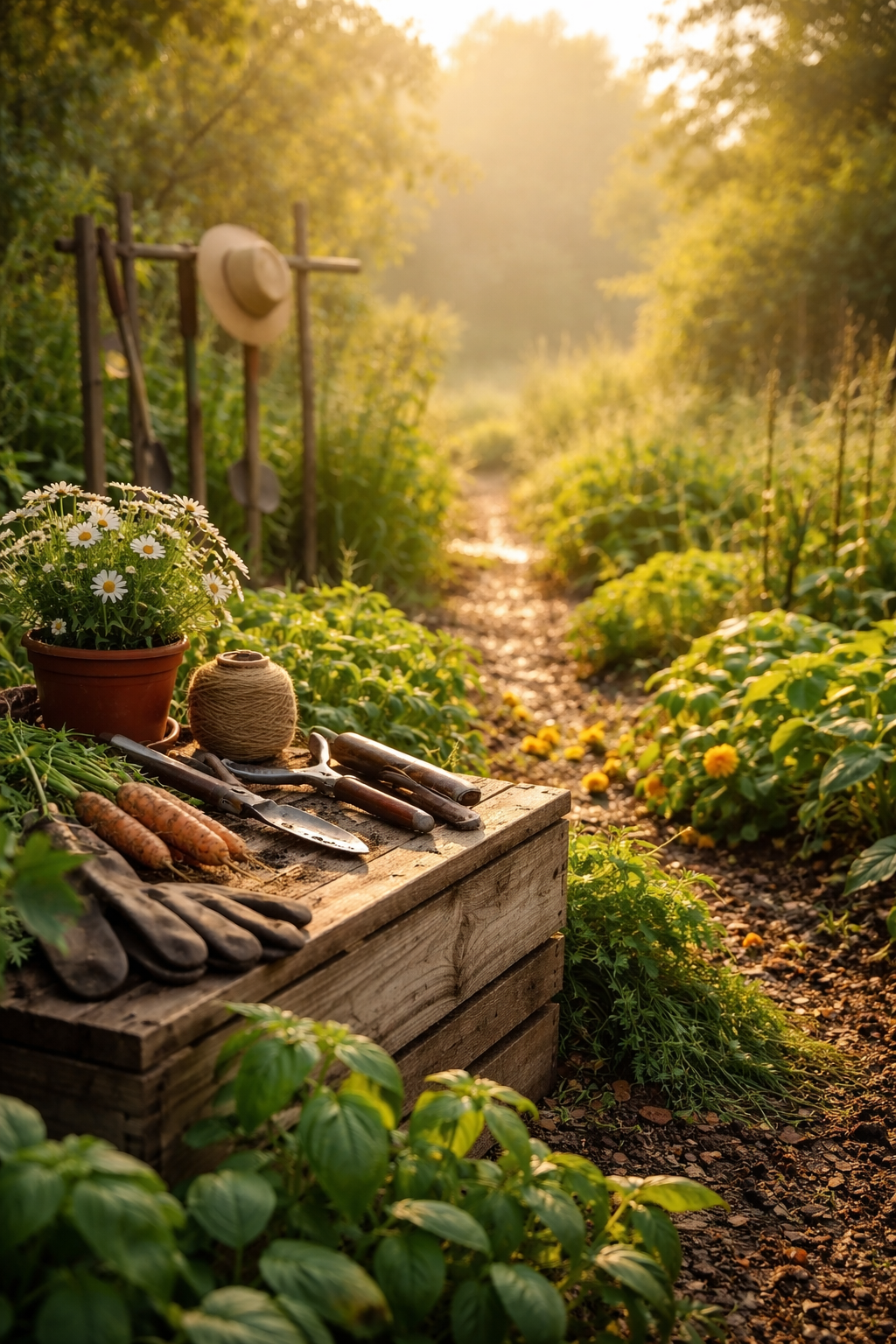
| Most of my days are spent outside, hands in soil, moving slowly from one task to the next. Gardening has a way of stretching time. It gives you space to think, and it quietly teaches you how consequences work. What you do today shows up later—sometimes gently, sometimes all at once. While I’m working, my thoughts wander. Not just to plants and seasons, but to the wider world. Politics inevitably comes into that—British, American, and everything in between. Not because I enjoy it, but because it shapes the conditions we all live and work under, much like weather shapes a garden. One thing gardening makes very clear is how people respond when things are neglected. When ground has been left untended for too long, there’s a temptation to act fast and hard—to clear everything, cut it right back, start again. Sometimes that instinct is understandable. Overgrowth can feel overwhelming. But experience teaches you that rushing rarely leads to healthy growth. Careful pruning strengthens a plant. Brutal cutting weakens it. I think something similar happens in societies. When people feel overlooked or stuck with limited choices, they don’t always choose what’s best in the long term—they choose what promises change now. That doesn’t come from malice. It usually comes from frustration, fatigue, or simply wanting to be noticed. Gardening also teaches humility. You can do everything right and still be caught out by frost, drought, or poor soil left behind by earlier decisions. The ground remembers. Quick fixes often store up trouble that someone else has to deal with later. That’s why I’m wary of loud solutions and dramatic gestures, whether in gardens or elsewhere. They can look impressive for a moment, but they often ignore what’s happening beneath the surface. Real improvement is quieter than that. It’s steady, repetitive, sometimes boring work. It’s showing up again and again, adjusting, learning, and accepting limits. From the calm of a working garden, it becomes easier to see what really matters. Growth can’t be forced. Health can’t be shouted into existence. Good outcomes come from paying attention to what’s actually there, not what we wish were there. Perhaps that’s the lesson gardening offers beyond the gate: whether we’re talking about land, communities, or institutions, care beats control every time. Progress isn’t about dominating the ground—it’s about understanding it well enough to help the right things take root. |
| About our writing & imagery Many of our articles are written by us, drawing on real experience, reflection, and practical work in gardens and places we know. Some pieces are developed with the assistance of AI as a drafting and research tool. Featured images may include our own photography, original AI-generated imagery, or—where noted—images kindly shared by other creators and credited accordingly (for example, via Pixabay). All content is shaped, edited, and published by Earthly Comforts, and the views expressed are our own. |


I love your last paragraph. So very apt for today’s world.
LikeLike
Yes it is, this world of ours is very challenging at present.
LikeLiked by 1 person