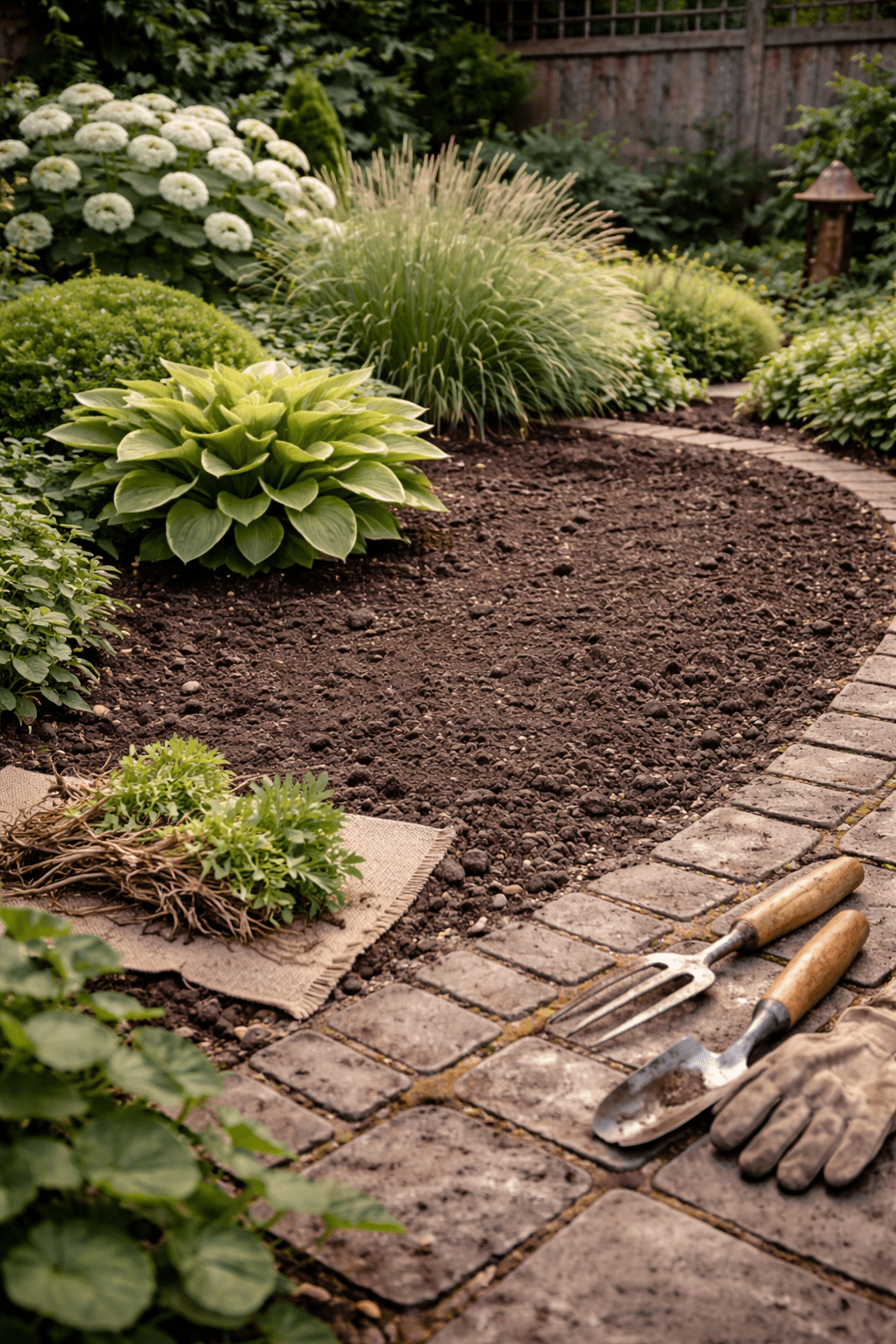
| Part 11 What to Remove Before You Add Anything When a small garden feels disappointing, the instinct is often to add. Another plant. A new feature. Something to lift it, fix it, or distract from what isn’t working. In most small gardens, that instinct is the wrong place to start. Before anything new goes in, something usually needs to come out. Small gardens suffer most from accumulation. Small gardens rarely fail because of one bad decision. They struggle because of many small, reasonable ones layered on top of each other. A plant was kept because it survived. Another added because it was free. A third was left in place because removing it felt wasteful. Over time, these decisions accumulate. Space tightens, light drops, airflow suffers, and maintenance becomes heavier than it needs to be. What’s left is not a garden with too little, but a garden with too much competing for attention. Removal is not loss — it’s clarification. Taking something out of a small garden can feel uncomfortable. Plants carry memory, effort, and intention. Removing them can feel like admitting a mistake, even when the plant itself is healthy. But removal doesn’t erase care. It reveals structure. When the right thing is removed, the garden becomes easier to read. Borders regain shape. Remaining plants begin to perform better. Light and air return to places they’ve been missing. Clarity is often the first real improvement a small garden experiences. Start with what’s underperforming. Not everything that needs removing is dead or failing. In small gardens, the most disruptive plants are often those that are: Constantly needing to cut back. Collapsing into paths or neighbours Blocking light from better performers Looking untidy for most of the year A plant can be healthy and still be wrong for the space. Removing these plants is not a judgment on the gardener — it’s an adjustment to reality. Gaps are not problems waiting to be filled. Once plants are removed, space appears — and that can be unsettling. Bare soil, visible gaps, and quieter borders often trigger the urge to replace immediately. In small gardens, especially, that urge should be resisted. Gaps are working spaces. They allow observation. They let the remaining plants settle and show their true shape. Time spent with space is rarely wasted. It reveals what the garden actually needs — rather than what habit suggests adding. Removing reduces future effort. One of the least discussed benefits of removal is how much work it prevents. Fewer plants mean: Less pruning Fewer clashes Clearer access More predictable maintenance In small gardens, every unnecessary plant adds disproportionate effort. Removing the right ones reduces workload across the entire space. This is why well-maintained small gardens often look simpler than expected. Removal supports long-term care. A garden that’s too full becomes fragile. It relies on constant intervention to keep things in bounds. When time, energy, or access change — as they inevitably do — the garden quickly slips into difficulty. A garden with breathing room is more resilient. It can cope with missed visits, awkward weather, or changing circumstances without unravelling. Removing thoughtfully is one of the best ways to future-proof a small garden. Add later — if at all. After removal, the garden will feel different. Quieter. Clearer. Sometimes unexpectedly complete. This is the point at which addition, if needed at all, can be done with intention rather than urgency. New plants, if chosen, are responding to space rather than filling it. In many cases, nothing needs to be added. The garden simply needs time to rebalance. In the final post, I’ll step back from practical decisions and look at why small gardens are never truly finished — and why that’s not a problem to be solved. Because a small garden done properly improves not by constant addition. But by knowing when enough is enough. |
The Small Garden