| Notes from the garden on food, resilience, and the years ahead |
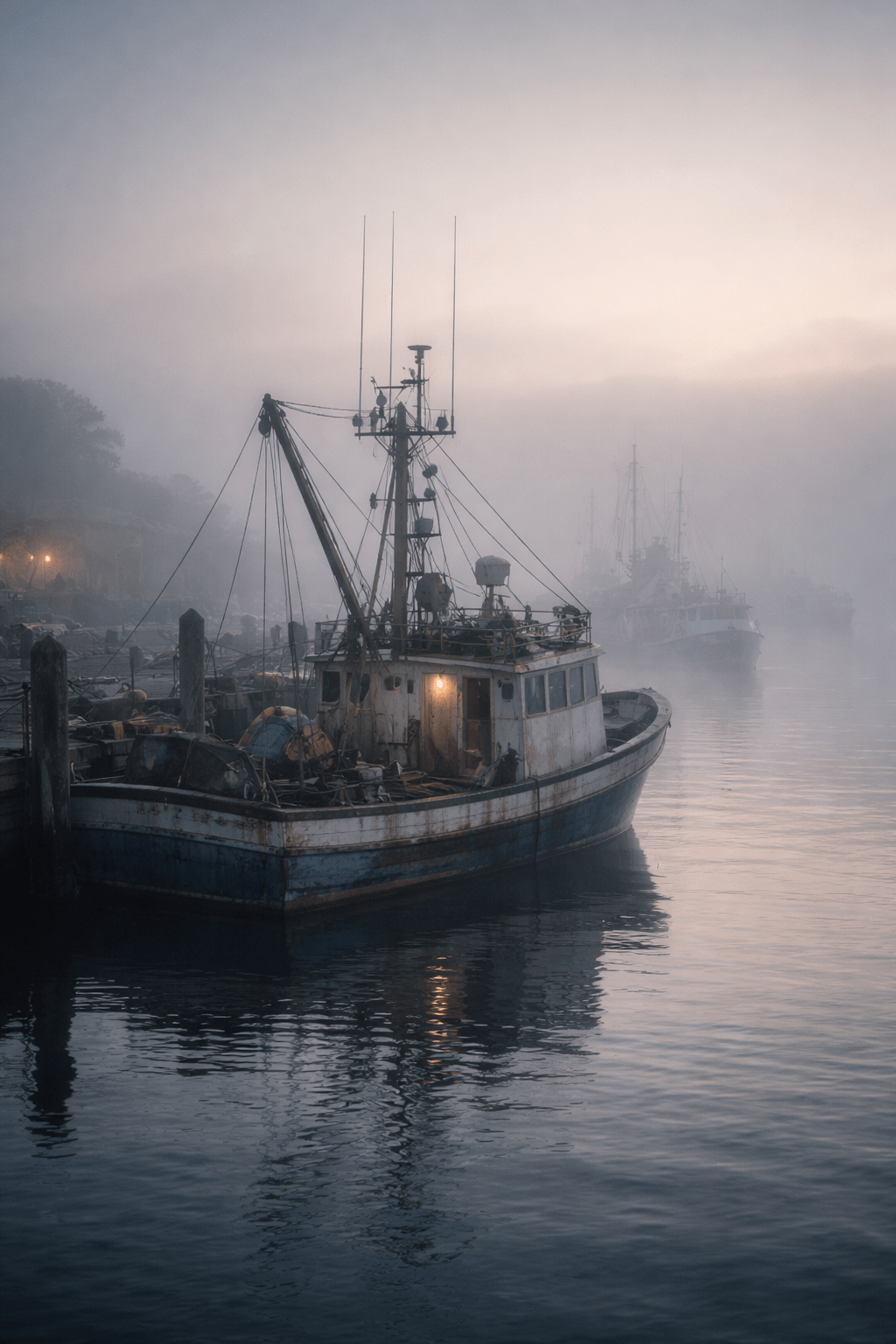
| Introduction When a Missing Fish Makes You Pause This series began with a small, practical question. Suze went to buy pilchards — and couldn’t find them. Not once, but repeatedly. Local shops didn’t have them. Online listings showed them as unavailable. No explanation, no notice, just a quiet absence. For something so ordinary, it felt oddly noticeable. So we looked it up. What we found was not a single cause, but a convergence of pressures. Pilchard stocks in parts of the world — including those linked to the Moroccan fishing industry — have been affected by warming seas, shifting plankton patterns, and long-standing overfishing. None of this was framed as a dramatic collapse. It was described more as strain, adjustment, and uncertainty. That was enough to prompt a bigger question. If something as familiar and everyday as a pilchard can slip quietly out of reach, what else might be under similar pressure? And not just this year, but next year — or five years from now? From there, the curiosity widened. We began reading more broadly about food systems, climate patterns, supply chains, and how different foods respond to stress. We looked at what 2026 might bring, but it quickly became clear that single-year forecasts only tell part of the story. The more we read and reflected, the clearer it became that what looks like a short-term trend is often the opening chapter of a longer story. As gardeners, this way of thinking feels familiar. We’re used to watching patterns emerge slowly. We know that one poor season rarely stands alone, and that change often arrives quietly before it announces itself. Gardens teach you to notice early signs — in soil, in growth, in what thrives and what struggles. This series is not about predicting shortages or promoting fear. It’s about paying attention. About understanding food not as a guaranteed product, but as the outcome of many connected systems — soil, water, weather, labour, energy — all moving at once. Over the coming posts, we’ll explore these ideas from a grounded, practical perspective: what they mean for gardens, for households, and for how we think about food in the years ahead. Not with panic or ideology, but with curiosity, realism, and care. Because once you notice one missing fish, it’s hard not to start noticing the wider patterns behind it. |
| About our writing & imagery Many of our articles are written by us, drawing on real experience, reflection, and practical work in gardens and places we know. Some pieces are developed with the assistance of AI as a drafting and research tool. Featured images may include our own photography, original AI-generated imagery, or—where noted—images kindly shared by other creators and credited accordingly (for example, via Pixabay). All content is shaped, edited, and published by Earthly Comforts, and the views expressed are our own. |

