| Why It Happens and How to Respond Without Harm |
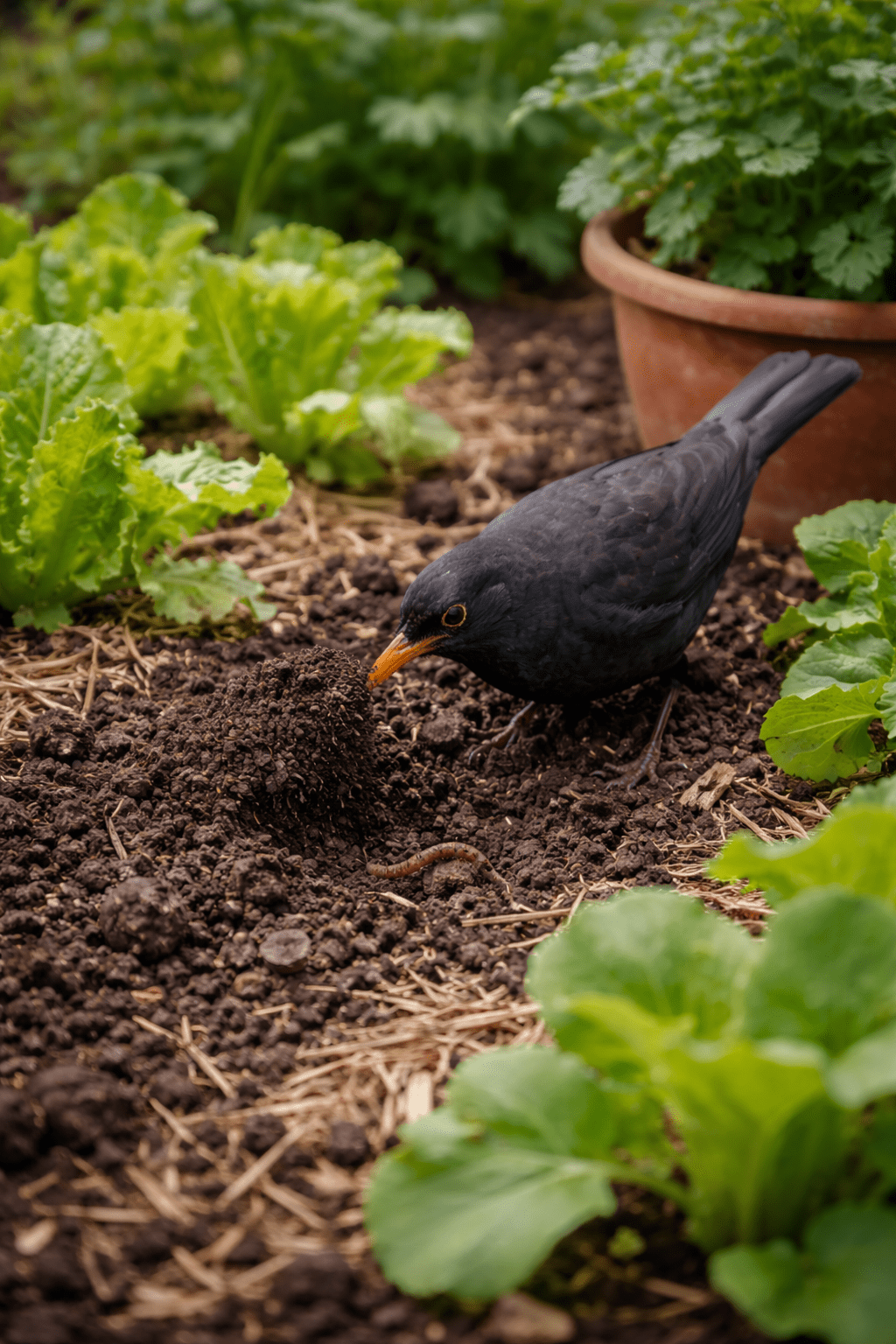
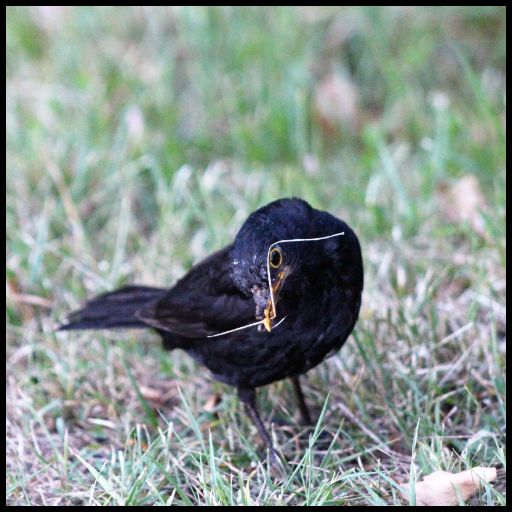
| There is a particular sort of irritation that only gardeners understand. You plant something carefully — a row of young lettuces, a tray of newly set wallflowers, perhaps even a freshly mulched bed — and the next morning the soil looks as though someone has been idly raking through it with their fingers. Small craters. Roots exposed. Seedlings tipped sideways. You look up, and there he is: a blackbird, bright-eyed, entirely unapologetic. It is tempting to frame this as vandalism. Yet blackbirds are not digging out of mischief. They are behaving exactly as blackbirds have always behaved. Once you understand that, the question becomes less about stopping them entirely and more about gently redirecting them. This is a conversation about coexistence rather than confrontation. The Behaviour: What They Are Actually Doing Blackbirds are ground-feeding birds. They do not dig as a mole digs, nor scratch as vigorously as a hen. Instead, they cock their head, listen, then use their beak to flick aside soil, leaf litter or mulch in short, decisive movements. That behaviour serves a purpose. They are searching for: Earthworms Leatherjackets (cranefly larvae) Chafer grubs Beetles Slugs Surface invertebrates A freshly watered bed, a recently mulched border or newly turned soil is, to a blackbird, a buffet laid open. When we cultivate, we disturb soil layers. We bring worms closer to the surface. We create a loose texture that is easy to probe. In effect, we advertise opportunity. The bird is not targeting your plants. The plants are collateral damage. Why It Happens More at Certain Times Gardeners often notice increased digging in: Early spring. This coincides with breeding season. Birds require protein-rich food to sustain egg production and to feed nestlings. Earthworms and larvae are ideal. After rainfall. Worms rise closer to the surface in damp conditions. Softened soil is easier to flick aside. After mulching. Fresh compost or bark mulch harbours insect life. Its loose structure is irresistible. During dry spells. Paradoxically, dry conditions can also drive birds to dig deeper in search of moisture-dependent prey. There is a rhythm to it. Recognising that rhythm helps anticipate when protection may be necessary. What They Are Not Doing It is worth dispelling a common assumption. Blackbirds rarely eat your plants deliberately. They may occasionally peck soft fruit or newly sown seeds, but the majority of soil disturbance is about invertebrates. If seedlings are uprooted, it is usually because they were in the way of a worm hunt. Understanding this reframes the issue. The solution is not repelling birds wholesale, but protecting vulnerable planting stages. The Ecological Perspective Blackbirds provide considerable benefit in gardens. They reduce populations of grubs that damage lawns and plant roots. They consume slugs. They disperse seeds. In many gardens, their activity is part of the natural regulation of soil pests. If we were to exclude them entirely, we might find ourselves dealing with increased insect pressure. This is not to romanticise inconvenience. A bed of carefully planted plugs can be undone quickly. But it is important to acknowledge that the relationship is reciprocal. When It Becomes a Problem Digging becomes problematic when: Newly planted bedding is repeatedly uprooted. Seeds are disturbed before germination. Mulch is scattered persistently. Potted plants are overturned in search of grubs. Containers are particularly vulnerable because their soil volume is small and easily displaced. Young plants with shallow roots suffer most. Established perennials, by contrast, usually tolerate occasional probing without consequence. The gardener’s task is therefore protective rather than punitive. Gentle and Wildlife-Friendly Ways to Deter Digging 1. Physical Barriers (Temporary and Targeted) The most reliable solution is temporary protection. Lightweight horticultural fleece or mesh placed over newly sown beds prevents access while still allowing light and rain through. Once seedlings establish, covers can be removed. In small areas, low cloches or netting frames work well. This approach does not harm birds; it simply makes that particular patch inconvenient. 2. Soil Firming Blackbirds prefer loose, friable soil. After planting, gently firm the soil around the seedlings. Not compacted, but settled. A lightly tamped surface is less attractive than a fluffy compost surface. This is particularly important in pots. A loosely filled container invites investigation. 3. Mulch Choice and Depth Fine, loose mulch is easy to flick aside. If mulching ornamental beds prone to disturbance, consider slightly heavier materials or apply mulch in a thinner, well-settled layer. Watering mulch after application helps it settle and reduces immediate attraction. 4. Provide an Alternative Foraging Area In larger gardens, leaving a wilder corner — leaf litter under shrubs, a compost heap, or a lightly turned patch away from delicate seedlings — can draw attention elsewhere. Blackbirds prefer ease. If an area offers easier access to worms, they may concentrate there. This is not a guarantee, but it shifts probability. 5. Visual Deterrents (Used Thoughtfully) Reflective objects, small wind-driven elements, or garden ornaments can sometimes temporarily discourage birds. However, blackbirds habituate quickly to static objects. These methods work best when rotated or repositioned regularly. Avoid anything that entangles or injures wildlife. 6. Surface Protection for Pots For containers, a layer of gravel or horticultural grit on the surface can deter probing. It makes flicking soil aside less rewarding. Ensure the layer is thin enough to allow water to penetrate without causing drainage issues. What to Avoid Poison or harmful deterrents are neither necessary nor appropriate. Blackbirds are protected wildlife in the UK. Lethal control is not only ethically questionable in most garden situations but also legally restricted. Netting must be tensioned properly to avoid entanglement. Sticky substances or chemical repellents can harm non-target species and disrupt soil ecology. Heavy-handed approaches rarely produce long-term balance. Challenging the Notion of “Stopping” It is understandable to want the digging to cease entirely. Yet in practice, permanent exclusion of blackbirds from a garden is unrealistic and, arguably, undesirable. The aim is to protect vulnerable stages of planting, not to remove birds from the ecosystem. In my own experience, blackbirds are most persistent when food demand peaks — typically during nesting. Once chicks fledge and soil dries in high summer, disturbance often reduces naturally. Intervening with calm measures during peak periods is usually sufficient. Three Observations From Practice First: newly watered soil is a signal. If I water in the evening, digging is more likely the next morning. Morning watering reduces that window slightly. Second: seedlings planted firmly and covered for the first fortnight are rarely disturbed after establishment. Third: once blackbirds identify an area as unproductive — no easy worms — they move on. The behaviour is pragmatic, not personal. A Note on Lawns Blackbirds sometimes create small holes in lawns while hunting leatherjackets or chafer grubs. This may actually indicate a grub problem in the turf. Addressing the underlying pest population improves lawn health and reduces bird attention. In that sense, the bird is highlighting a soil imbalance. Coexistence Rather Than Conflict Gardens are layered spaces. We cultivate soil for our own purposes, but we do not do so alone. Blackbirds respond to conditions we create — freshly turned beds, damp compost, soft mulch. Their behaviour is instinctive and seasonal. Friendly deterrence works best when it is: Temporary Targeted Non-harmful Calmly applied Once plants establish, disturbance usually diminishes. There is a quiet irony here. The same gardener who curses a blackbird for lifting a lettuce may later appreciate that the slug population is lower than expected. In gardening, we are constantly negotiating space — between cultivation and wildness, intention and instinct. Blackbirds digging in beds are not a failure of control. They are a reminder that soil is alive. And with a little thoughtful protection at the right moments, both gardener and bird can continue their work without undue conflict. |
| About our writing & imagery Most articles reflect our real gardening experience and reflection. Some use AI in drafting or research, but never for voice or authority. Featured images may show our photos, original AI-generated visuals, or, where stated, credited images shared by others. All content is shaped and edited by Earthly Comforts, expressing our own views. |

