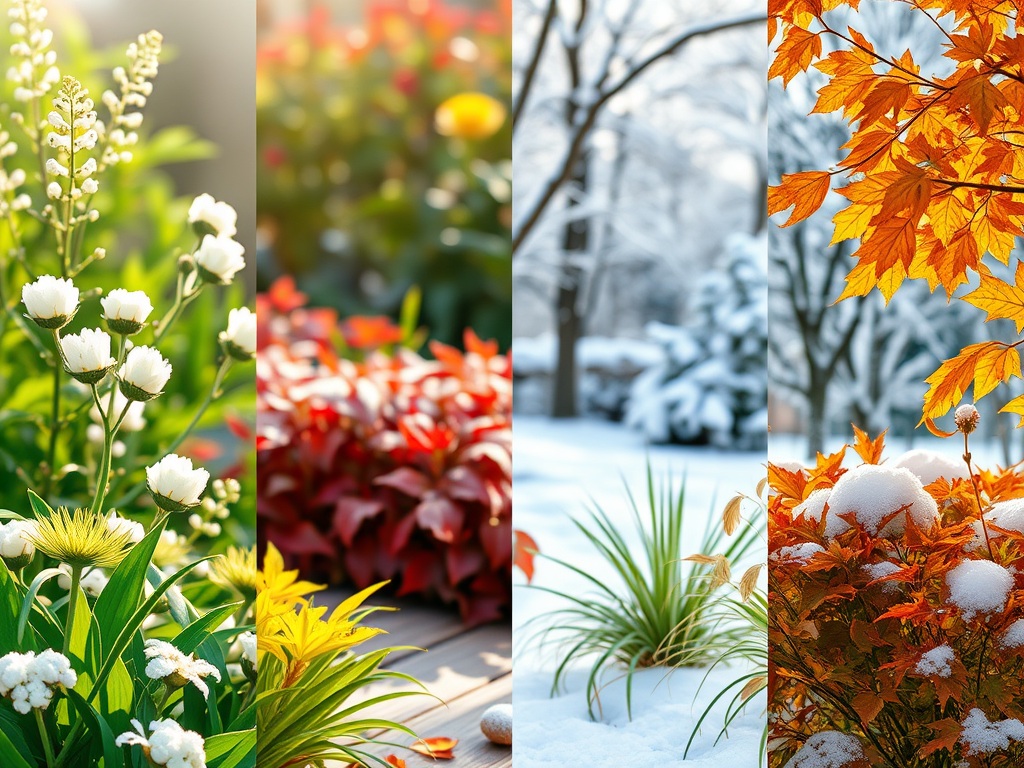
The author shares insights on gardening and seasonal changes, emphasizing the gardener’s perspective of twelve mini-seasons instead of the usual four. This approach varies by location, illustrating the nuances of gardening practice, particularly in Kent, England.
Category Archives: Earthen Passions
Grow Your Own: Top 15 Essential Herbs for the Kitchen

The kitchen essentials herbs include mints, chives, dill, basil, sage, coriander, parsley, rosemary, thyme, fennel, tarragon, bay leaf, chervil, oregano, and savory. Each herb has unique uses in cooking, salads, and garnishes. Growing herbs at home is cost-effective, convenient, and offers quality and control over chemical usage.
Demystifying Composting: A Simple Guide to Easy and Rewarding Compost Making

Composting is simple and accessible, requiring basic skills. Nature manages decomposition effectively, and anyone can learn to compost with minimal effort.
Insect Preservation: Taking Small Actions for Big Environmental Impact
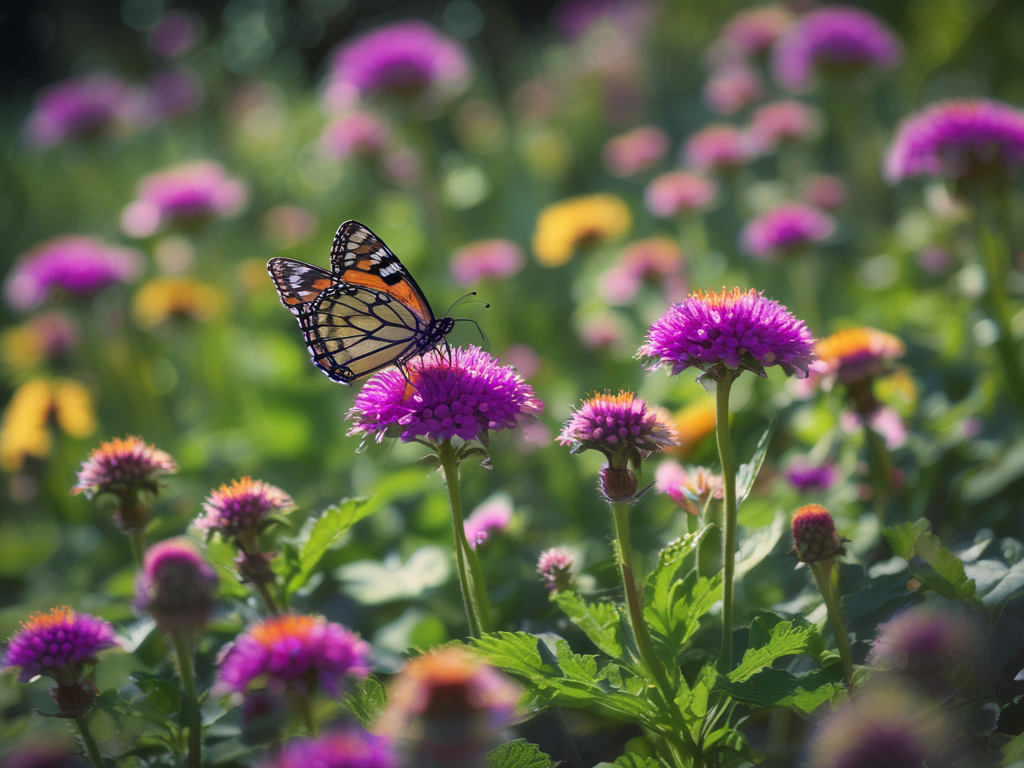
Dead Nettle Flowers – Pixabay How can we encourage more wildlife to our green spaces? When people read, see, or hear stories about the state of our planet and how we all need to do more, many think of the more significant issues such as climate crisis, sewage leakages, ocean acidification, ecological breakdown, biodiversity loss,ContinueContinue reading “Insect Preservation: Taking Small Actions for Big Environmental Impact”
Foxglove: Stunning Biennial Plant and Intriguing History Unveiled

Foxgloves are captivating biennial plants, loved for their beauty and adaptability. They thrive in well-drained soil and are attractive to pollinators, but highly toxic.
 Earthly Comforts