
I am often asked what advice l can give gardeners regarding invasions of slugs and snails and how to stop them naturally. This is always a tricky question with never an easy answer.
Category Archives: Earthen Passions
The Role of Slugs in Compost Piles: Beneficial Decomposers or Unwanted Pests?
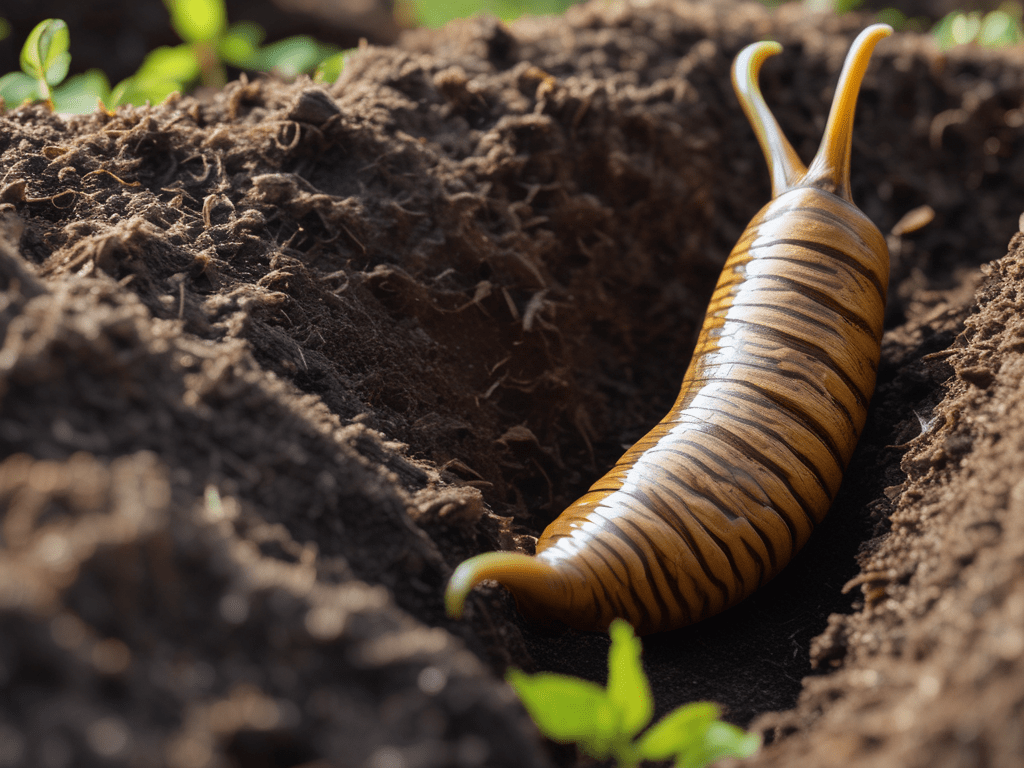
The opinions shared here are based upon my own experiences working with compost and may not be shared by all.
Are Slugs in my Compost a Problem?
Maximizing Garden Biodiversity: Practical Ways to Attract and Support Insect Life
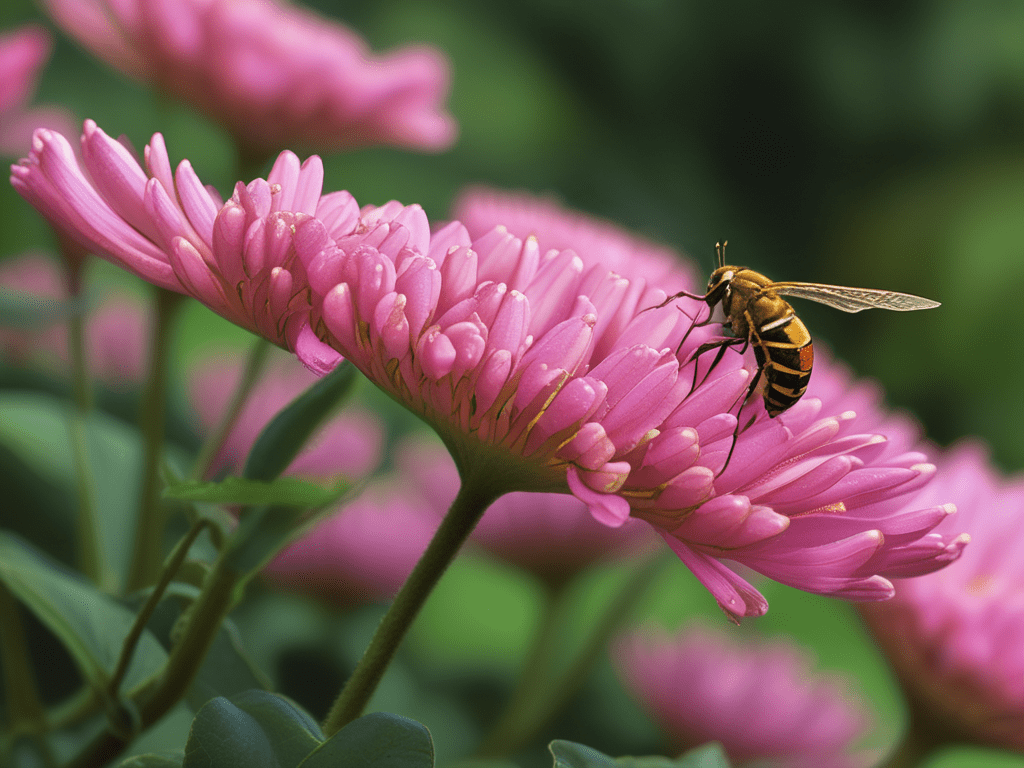
How can we encourage more insects to visit our gardens?
Despite people’s negative attitudes towards insects, they are highly beneficial to keep the balance of a healthy garden intact.
Discovering the Charms of Starlings: A Guide to Sturnidae Garden Visits

Starlings, known for their gregarious behavior, visit the garden for suet and water. They change color in winter and have a varied diet. Their decline since the 1980s requires conservation efforts. While beneficial for controlling pests, large flocks can damage crops. Predators include larger birds, owls, and domestic cats.
Stellaria Media: A Versatile and Beneficial Weed for Your Garden

Chickweed, often viewed as a nuisance weed, actually has beneficial qualities. It indicates soil health, serves as a food source for birds and insects, and is versatile for human consumption. It can be used in salads, cooked dishes, and even for making tea. In ancient times, it was valued for its medicinal properties.
 Earthly Comforts