
Angelica, also known as ‘wild celery,’ is a low-maintenance herb that thrives in shaded, moist, and well-drained soil. It belongs to the parsley family and is used in alcoholic drinks, cooking, baking, and for medicinal purposes. With a beautiful scent and wildlife appeal, it is a valuable addition to gardens. Angelica is best harvested in spring for its tender stalks, and it can be grown alongside sage, mint, and marjoram.
Category Archives: Earthen Passions
Efficient Meat and Fish Waste Composting: Tips for Odor and Pest Control

Meat, fish, and dairy products can be composted, especially through hot composting, which reaches temperatures between 130°-180° F for at least two weeks. Hot composting kills pathogens and ensures effective decomposition. However, challenges like attracting pests and slow breakdown exist. Proper burying, limited quantities, and alternative methods like vermiculture and Bokashi fermenting can help.
Red Campion (Silene Dioica): A Valuable Perennial for Wildlife Gardens

Red Campion, also known as Adder’s Flower, is a perennial or biennial plant with dusky pink five-petalled flowers blooming from May to September. It thrives in well-drained soils and attracts bees, butterflies, and other pollinators. This attractive flower can be found in hedgerows, shaded woodlands, and open fields, making it a valuable addition to wildlife gardens and meadows.
The Beauty and Benefits of Common Mallow: A Wildlife Garden Essential
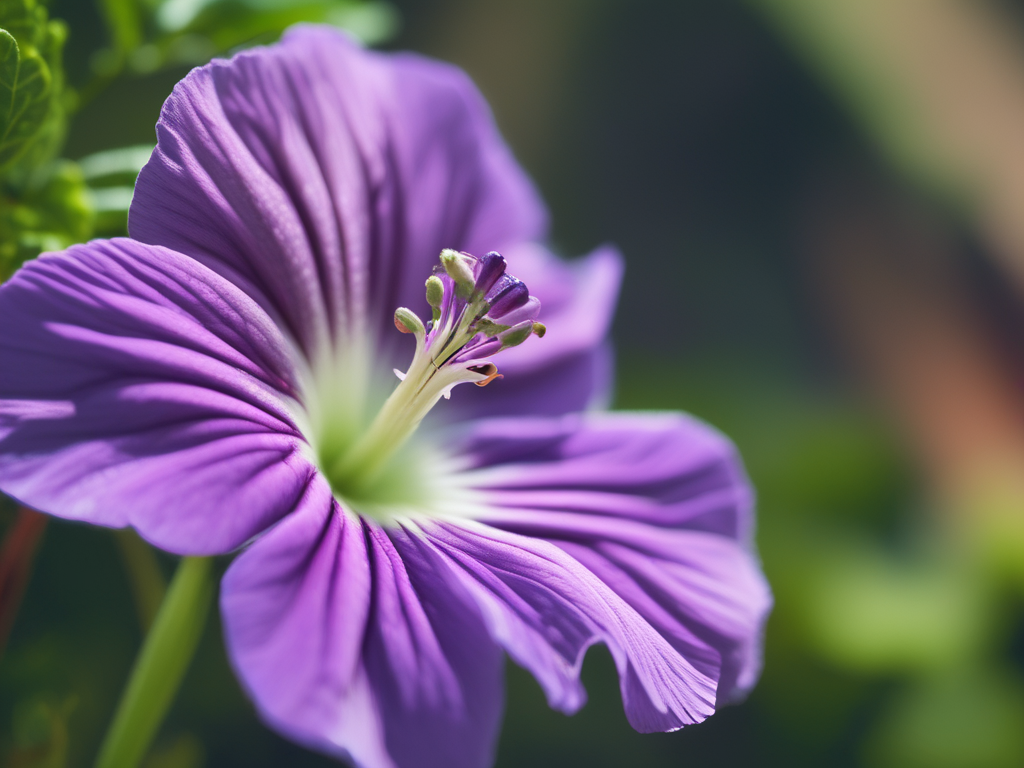
Mallow, or Malva sylvestris, is a beautiful and versatile plant found in gardens and the countryside. While some may consider it a weed, it is a valuable addition to wildlife gardens, attracting various pollinators. This plant has historical and current uses in cooking, herbal medicine, and even dental hygiene, making it a multifaceted natural resource.
Growing Rosemary: Natural Pest Repellent and Homemade Mosquito Repellent
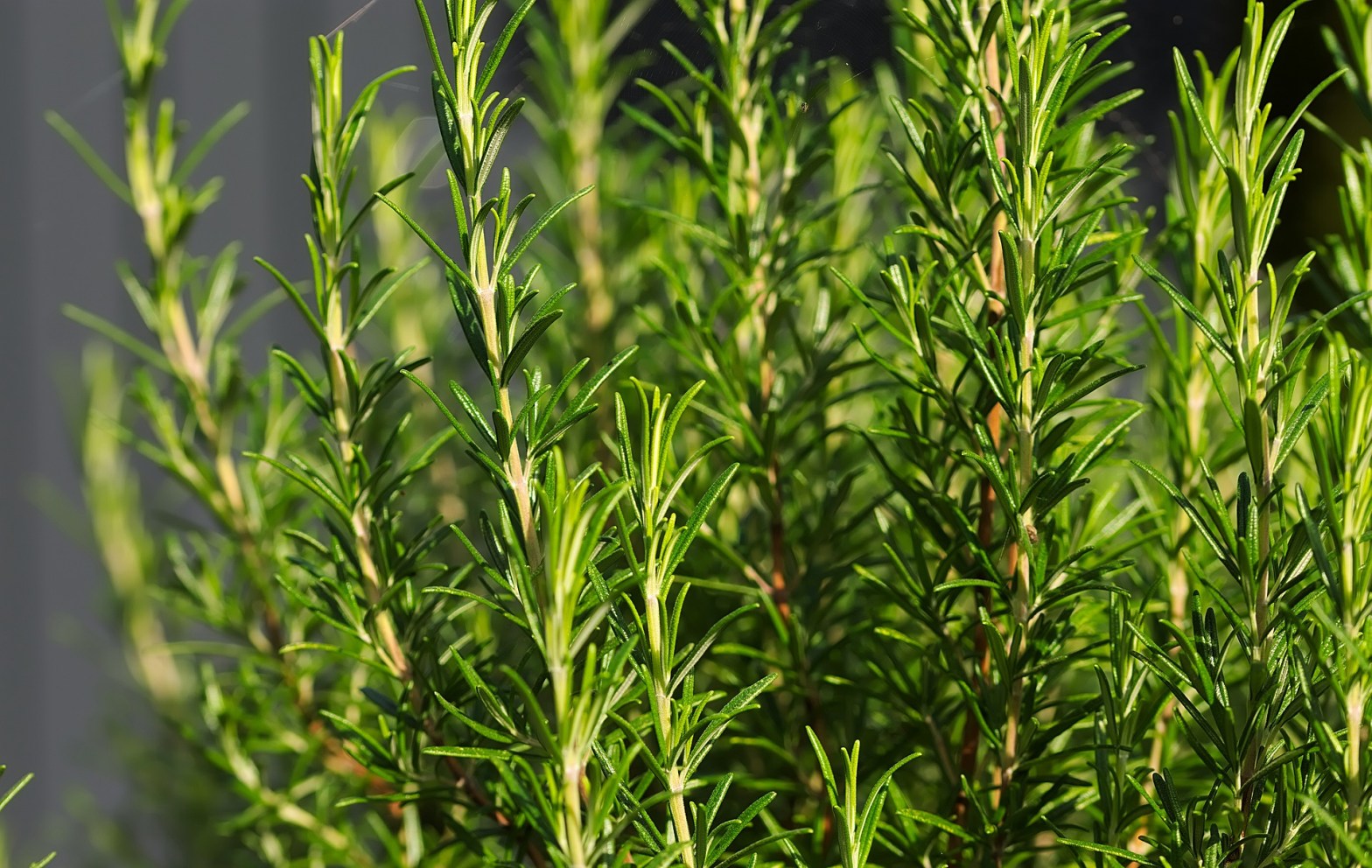
Rosemary is a versatile herb that repels mosquitoes, flies, and aphids. It can be grown easily in pots or in the ground with ample sunlight. To create a homemade mosquito repellent, steep dried Rosemary in boiling water, strain, and then use as a spray. Planting Rosemary with marigolds, parsley, chives, and sage provides added protection for growing vegetables.
 Earthly Comforts