
The secret to attracting more birdlife to your garden lies in strategic placement of feeders and watering facilities, providing nesting opportunities, maintaining a secure environment, and considering the seasonal needs of different bird species. Offering a variety of food, water, and shelter will encourage birds to visit, nest, and forage in your green space.
Category Archives: Earthen Passions
How to Create a Bee-Friendly Garden: Planting, Foraging, and Feeding

Bees play a crucial role as pollinators, and their survival is essential. To support them, plant bee-friendly flowers, avoid pesticides, and provide a water source. Distinguish between bees and wasps and appreciate the ecological balance they both contribute to. Supporting local organic food and raising awareness can make a difference in preserving these vital pollinators.
Intelligent and Curious: The Fascinating Traits of Magpies
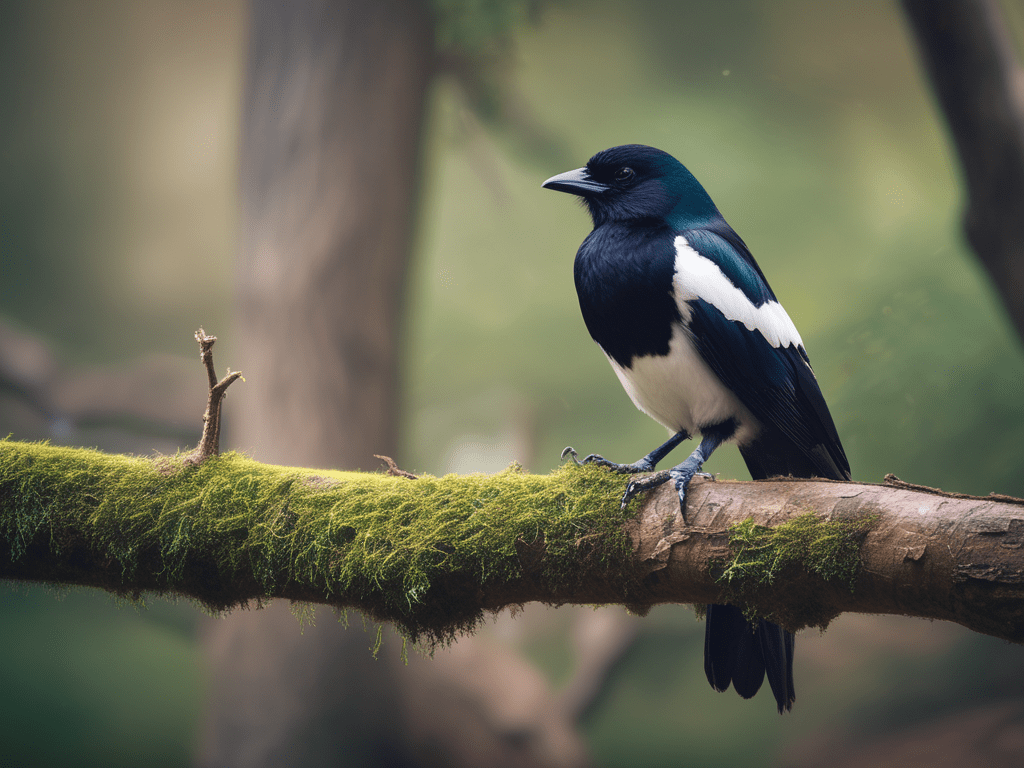
The Magpie, known for superstitions and folklore, is a member of the corvid family. Considered intelligent and curious, it can recognize itself in a mirror and remember humans. Often seen as pests, they are scavengers and omnivores. Magpies are social birds but can be aggressive during breeding season. They have various names and are part of rich folklore.
Empowering Change: Small Steps for a Big Impact on Our Planet

I am deeply committed to environmental preservation, advocating for eco-friendly initiatives and reduced chemical usage. By supporting local and fair trade businesses, and implementing small lifestyle changes such as recycling, reducing waste, and using reusable products, I strive to make a positive impact. I believe in the power of collective action and the joy of creating change.
Companion Planting with Clary Sage: Tips for Growing and Caring for Salvia Sclarea
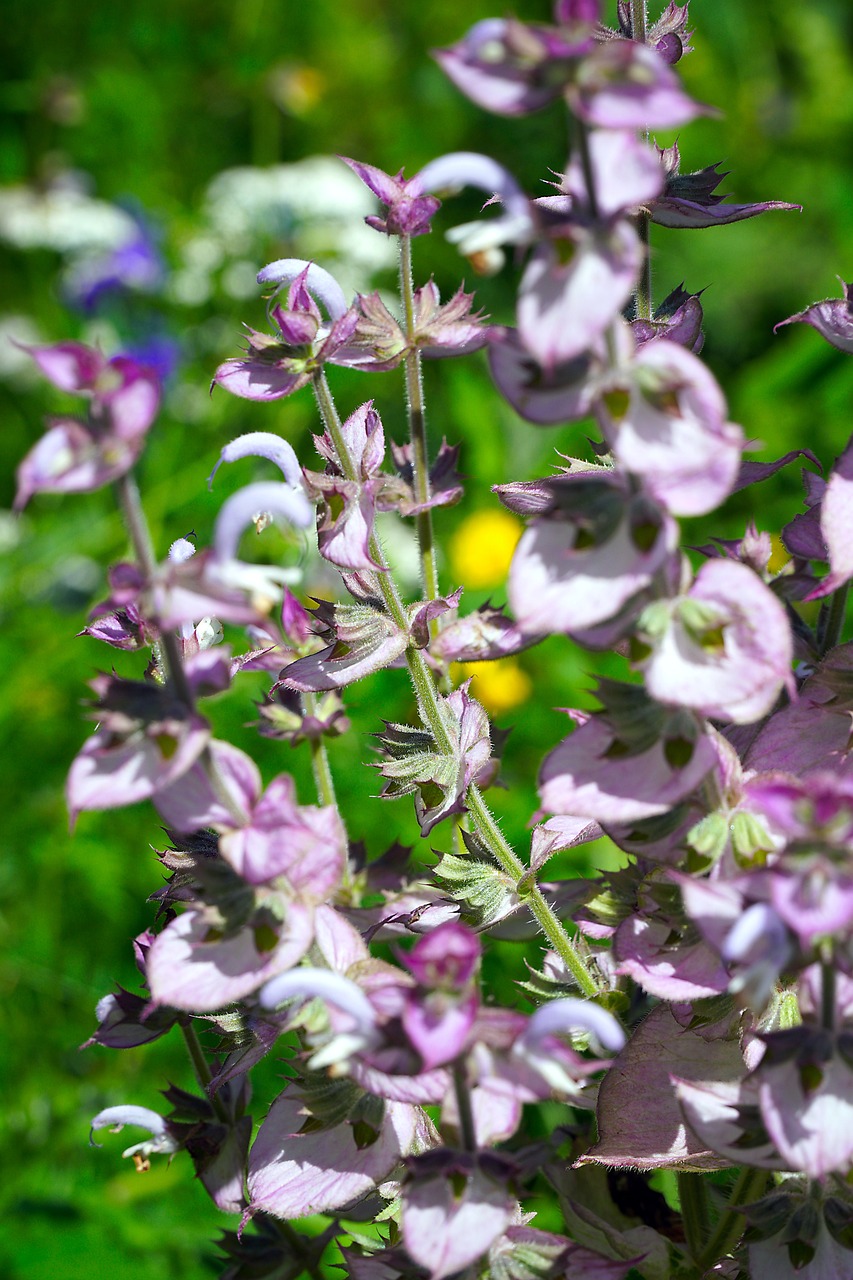
The Clary Sage plant is cherished for its medicinal and aromatic properties. While some may find its scent strange, others appreciate its divine aroma. It has a rich history, with its seeds used in ancient practices. Its adaptability and attractive qualities make it a valuable addition to any garden, attracting beneficial pollinators.
 Earthly Comforts