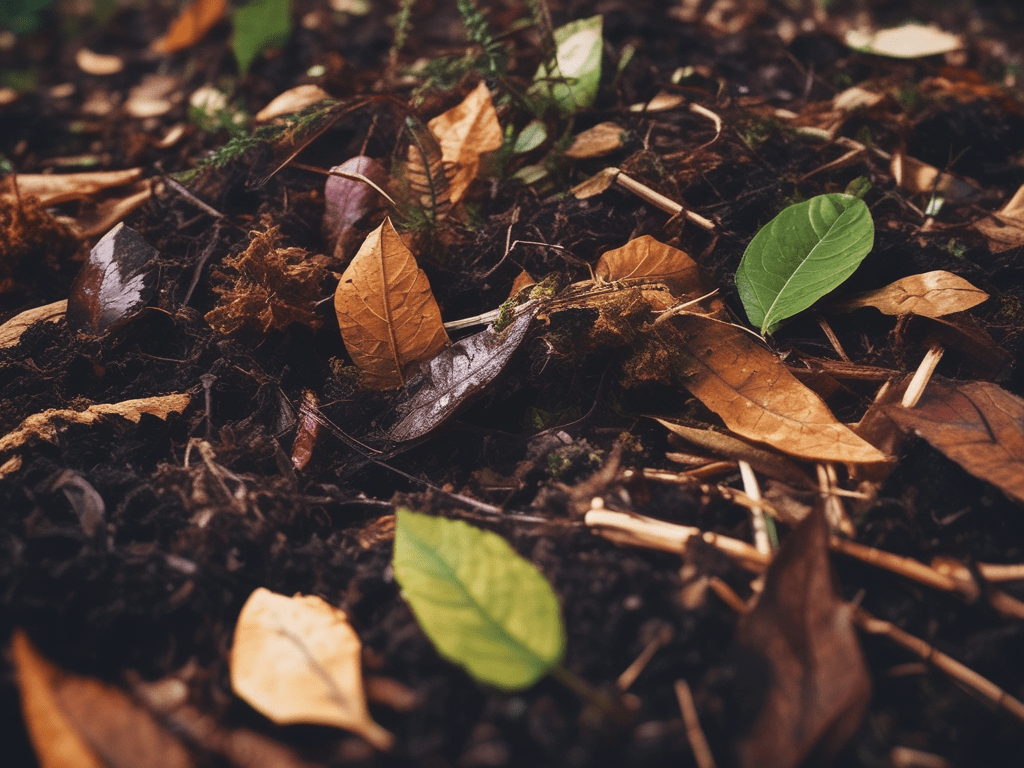
Composting offers a range of benefits beyond just creating nutrient-rich fertilizer. It provides mental therapy, reduces stress, and helps the environment by minimizing landfill waste and harmful methane gas emissions. By composting, individuals can contribute to a healthier planet while enjoying a rewarding and educational hobby.
Tag Archives: Common Composting Questions
How to Compost Eggshells for Your Garden: Complete Guide
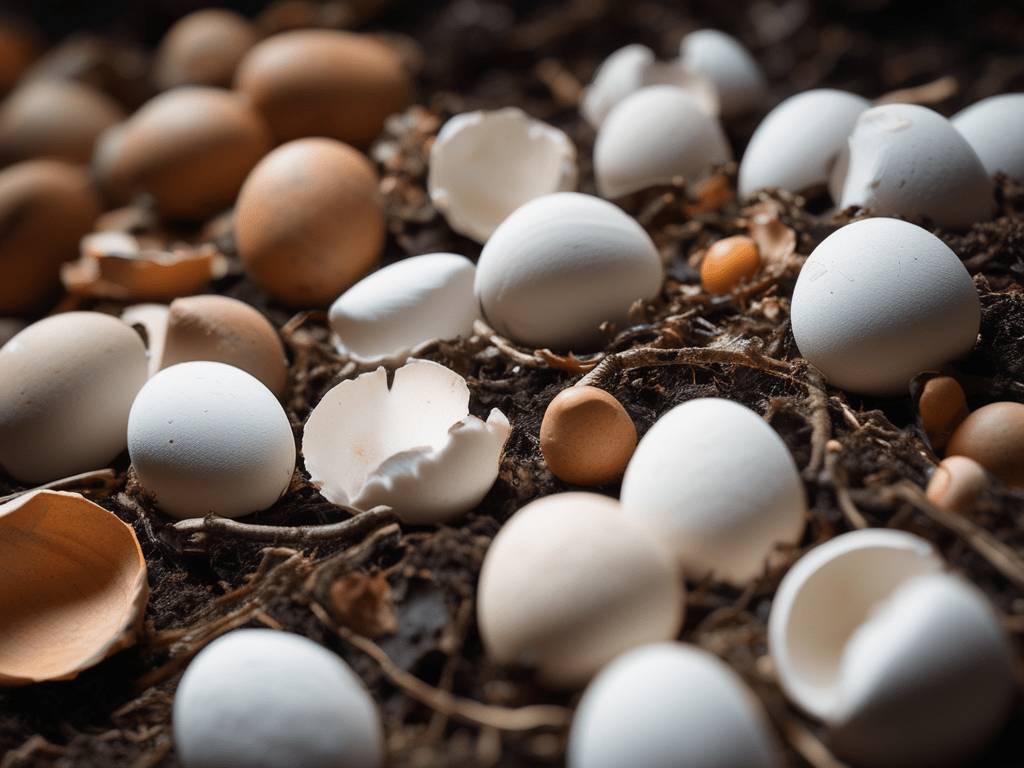
Yes, you can compost eggshells by adding them directly to the compost pile or bokashi bin. Hot composting at 160°F kills bacteria and eliminates odors. Eggshells add calcium and micronutrients to the compost and break down slowly. Crushing or grinding them speeds up decomposition. Reversing continuous flow hot composting speeds up the breakdown process.
Expand Your Composting Horizons: Unusual Materials to Compost

You can compost garlic, onions, avocado, ginger, soft fruits, eggshells, tea bags, fur, hair, nail clippings, paper napkins, cooked food, nut shells, stale foods, and even pet bedding and droppings. Non-glossy paper, sticky notes, and feathers are also compostable. Experiment and discover the wide range of items that can be composted.
Adding Soil to Compost: A Practical Guide for Nutrient-Rich Results

Yes, you can add soil to your compost heap. It introduces beneficial microbes and aids in breaking down organic matter. Adding old soil and unwanted compost mixes can accelerate the composting process, making it a practical approach for nutrient-rich compost. This practice is particularly beneficial in garden and allotment settings.
 Earthly Comforts