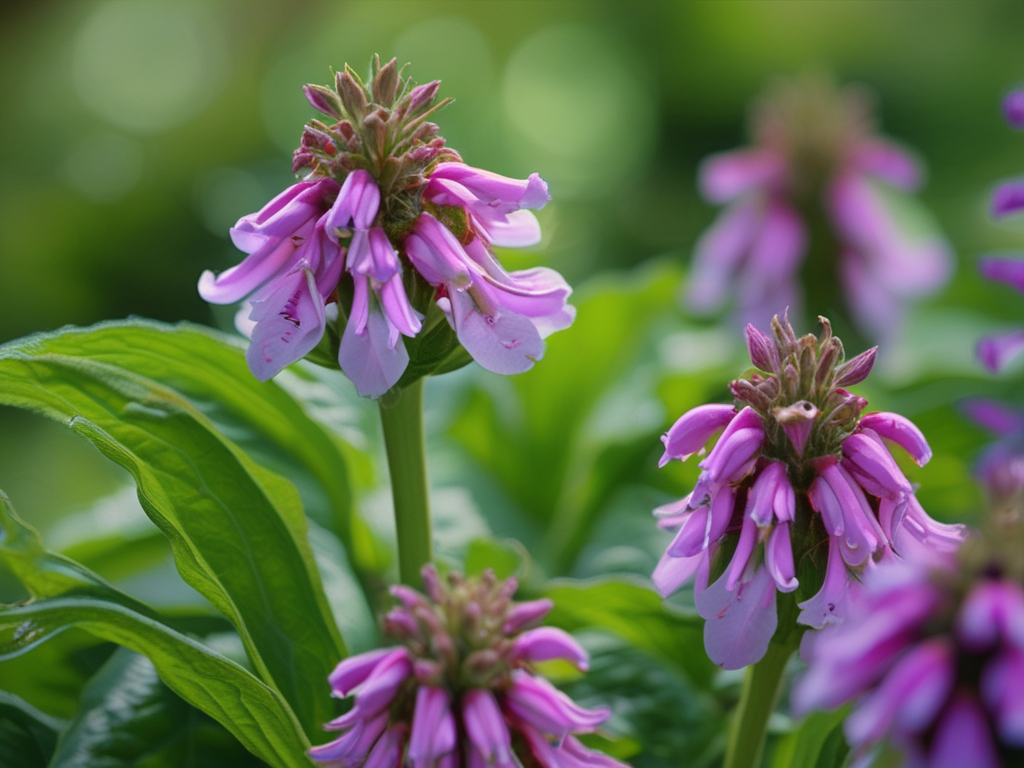
Comfrey is a versatile and nutrient-rich plant beneficial for gardening, composting, enhancing soil, and attracting pollinators like bees and butterflies.
Tag Archives: Compost
Efficient Meat and Fish Waste Composting: Tips for Odor and Pest Control
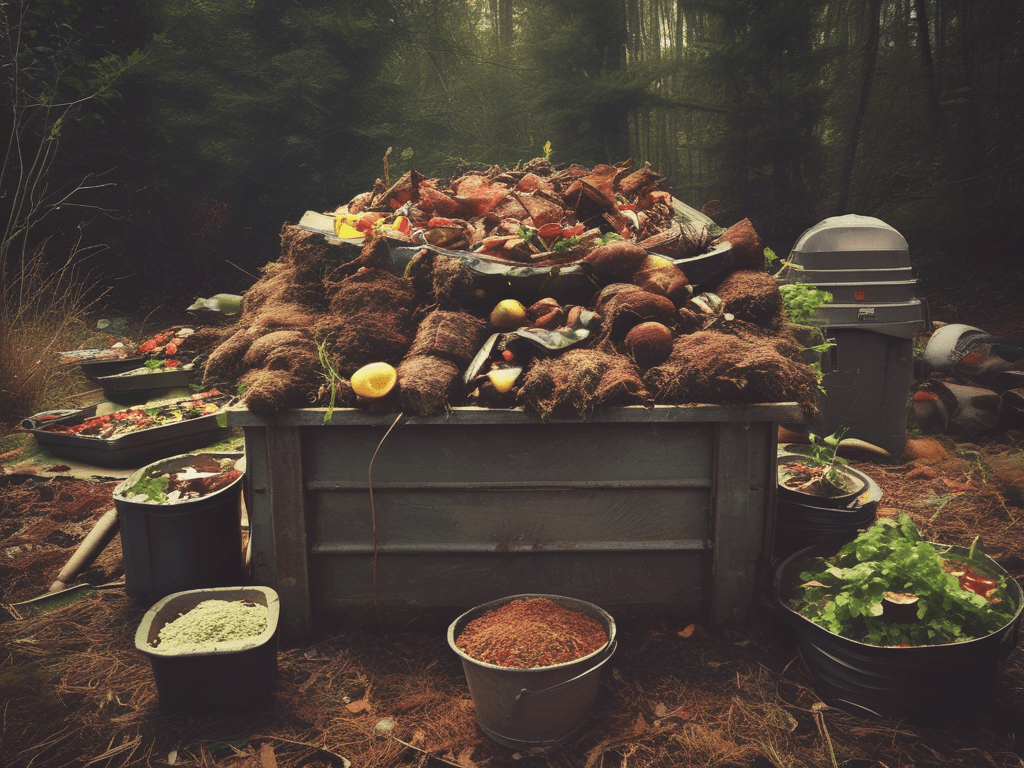
Meat, fish, and dairy products can be composted, especially through hot composting, which reaches temperatures between 130°-180° F for at least two weeks. Hot composting kills pathogens and ensures effective decomposition. However, challenges like attracting pests and slow breakdown exist. Proper burying, limited quantities, and alternative methods like vermiculture and Bokashi fermenting can help.
Maximize Compost Efficiency: The Extensive List of Safe Kitchen Waste for Composting

Composting is a natural and rewarding process that enriches soil, benefiting vegetable, flower, herb, and fruit gardens. By carefully managing food waste, such as fruits, vegetables, coffee grounds, and more, composters can contribute to a healthy compost pile. The diverse range of potential compost items will be explored in a future post, showcasing the extensive list for effective waste management.
Enhance Composting with a Diverse Range of Ingredients

The compost pile’s vitality hinges on carbon and nitrogen, employed by the bacterial and fungal camps. Composters differ in what they allow, but most organic waste is fair game. Proper management, heat, and aeration impact decomposition pace. Rules guide novices, but exceptions exist. A comprehensive list of composting items is offered, but it’s not exhaustive.
Expand Your Composting Horizons: Unusual Materials to Compost

You can compost garlic, onions, avocado, ginger, soft fruits, eggshells, tea bags, fur, hair, nail clippings, paper napkins, cooked food, nut shells, stale foods, and even pet bedding and droppings. Non-glossy paper, sticky notes, and feathers are also compostable. Experiment and discover the wide range of items that can be composted.
 Earthly Comforts