
Composting various leaves can be effective, with options like hot or cold methods. Understanding specific leaf properties, techniques like shredding, and ensuring the materials’ health are crucial for successful composting.
Tag Archives: Gardening
Enhancing Garden Ecosystems: Eco-Friendly Slug and Snail Management

I am often asked what advice l can give gardeners regarding invasions of slugs and snails and how to stop them naturally. This is always a tricky question with never an easy answer.
Maximizing Garden Biodiversity: Practical Ways to Attract and Support Insect Life
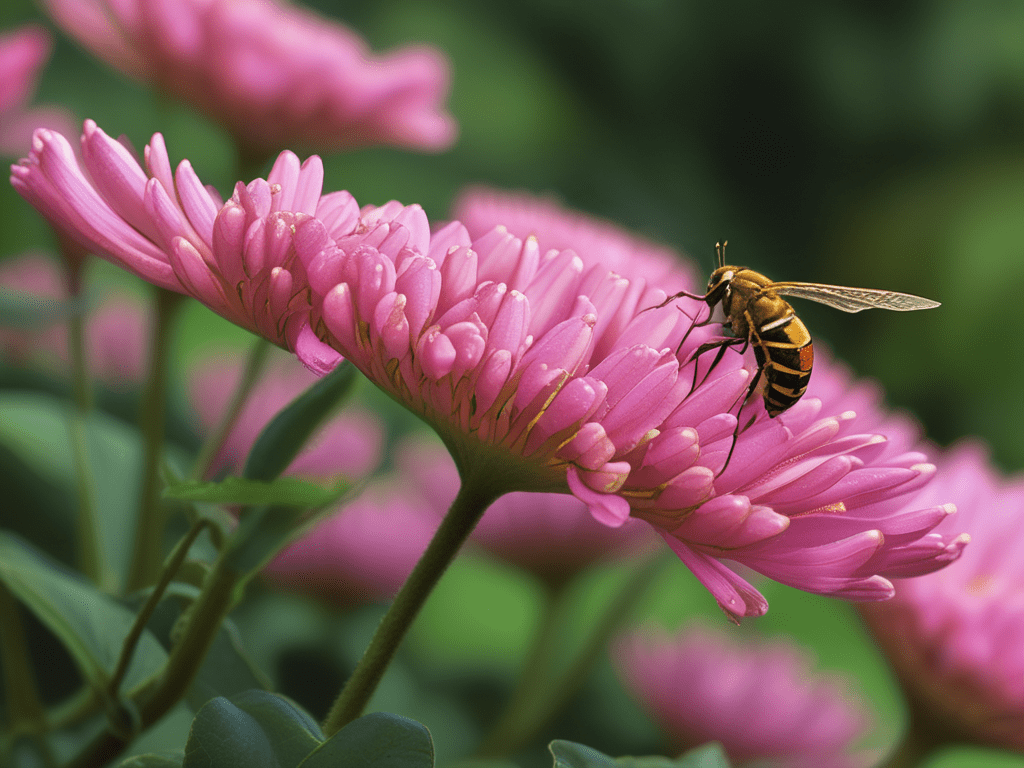
How can we encourage more insects to visit our gardens?
Despite people’s negative attitudes towards insects, they are highly beneficial to keep the balance of a healthy garden intact.
Companion Planting: Maximize Your Garden Benefits with Ingenious Pairings

Companion planting, a traditional gardening practice, offers various benefits by strategically planting certain plants together to repel or attract insects. It involves trial and error, with herbs being a great starting point. Certain herbs, like basil and chives, offer specific benefits to neighboring plants, while others, like garlic, have broad repelling properties. This practice can enhance diversity and color variety in gardens.
Angelica Plant: Growing Tips, Culinary Uses, and Medicinal Benefits

Angelica, also known as ‘wild celery,’ is a low-maintenance herb that thrives in shaded, moist, and well-drained soil. It belongs to the parsley family and is used in alcoholic drinks, cooking, baking, and for medicinal purposes. With a beautiful scent and wildlife appeal, it is a valuable addition to gardens. Angelica is best harvested in spring for its tender stalks, and it can be grown alongside sage, mint, and marjoram.
 Earthly Comforts