
I am often asked what advice l can give gardeners regarding invasions of slugs and snails and how to stop them naturally. This is always a tricky question with never an easy answer.
Tag Archives: Nature
Discovering the Charms of Starlings: A Guide to Sturnidae Garden Visits

Starlings, known for their gregarious behavior, visit the garden for suet and water. They change color in winter and have a varied diet. Their decline since the 1980s requires conservation efforts. While beneficial for controlling pests, large flocks can damage crops. Predators include larger birds, owls, and domestic cats.
The Blackbird (Turdus merula): Facts, Habits, and Nesting Behavior
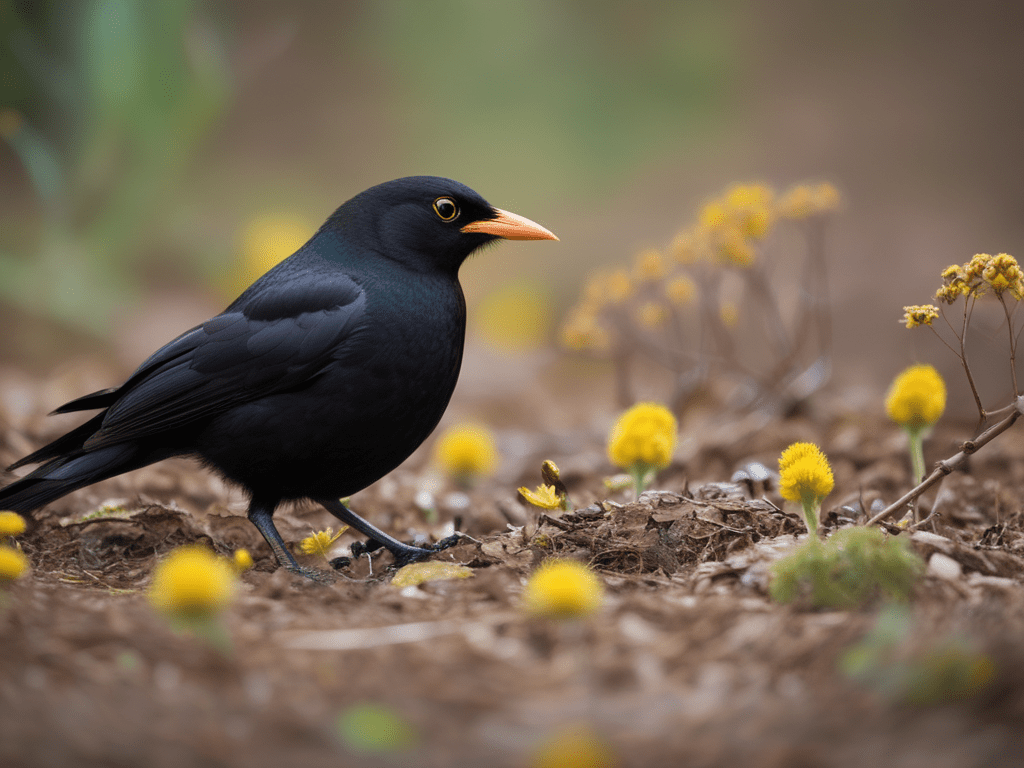
The blackbird, also known as Turdus merula, is a popular British bird species known for its sweet, melodic song. Males are black with an orangey yellow beak, while females are brown. They are omnivorous and serve as helpful garden companions by foraging for insects and worms. Blackbirds are known as mates for life and have a breeding season from March to July, producing 3 – 5 blue and green-speckled eggs per clutch. These birds have an average life expectancy of 3 – 5 years and face food scarcity as a major threat.
All You Need to Know About Ladybirds in British Gardens
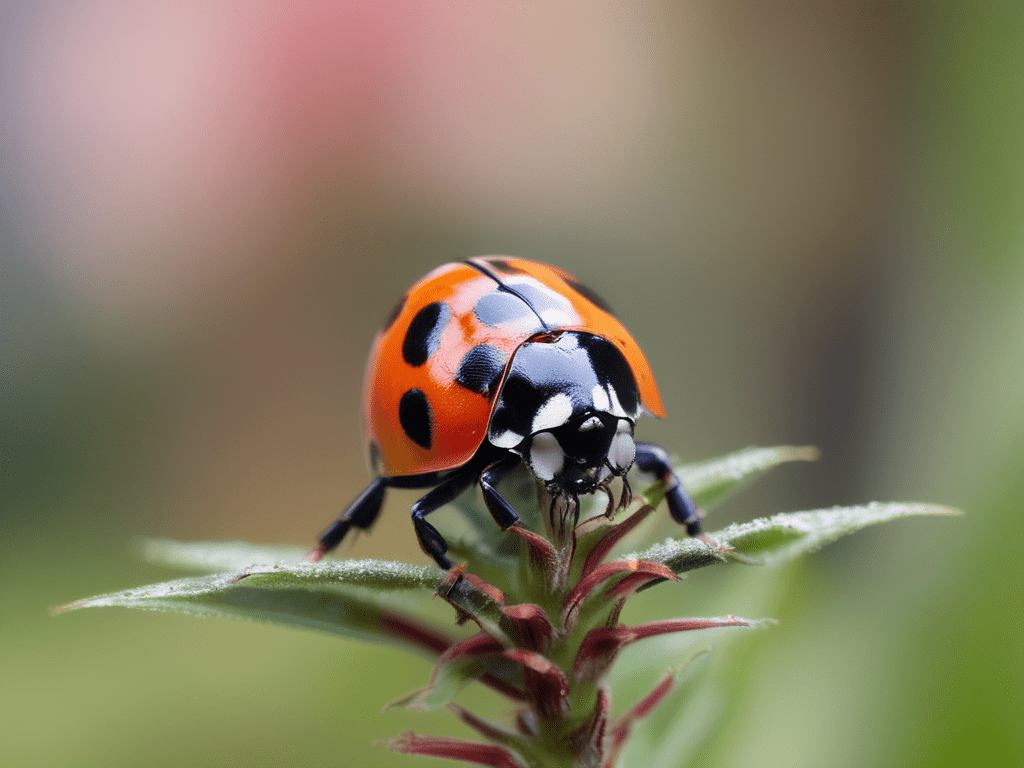
Ladybirds are beneficial garden beetles from the Coccinellidae family, aiding in pest control and pollination. They exhibit diverse colors and patterns and can travel considerable distances.
Discover the Versatility of Burdock: Medicinal Uses and Culinary Delights

Burdock, also known as Arctium lappa, is a plant with edible roots, stalks, and leaves. It has significant nutritional value and is popular in various dishes. Despite its invasive nature, it offers benefits to soil health and wildlife. The plant is often mistaken for harmful species, so caution is advised when foraging or purchasing.
 Earthly Comforts