
Red Campion, also known as Adder’s Flower, is a perennial or biennial plant with dusky pink five-petalled flowers blooming from May to September. It thrives in well-drained soils and attracts bees, butterflies, and other pollinators. This attractive flower can be found in hedgerows, shaded woodlands, and open fields, making it a valuable addition to wildlife gardens and meadows.
Tag Archives: Pollinators
The Beauty and Benefits of Common Mallow: A Wildlife Garden Essential
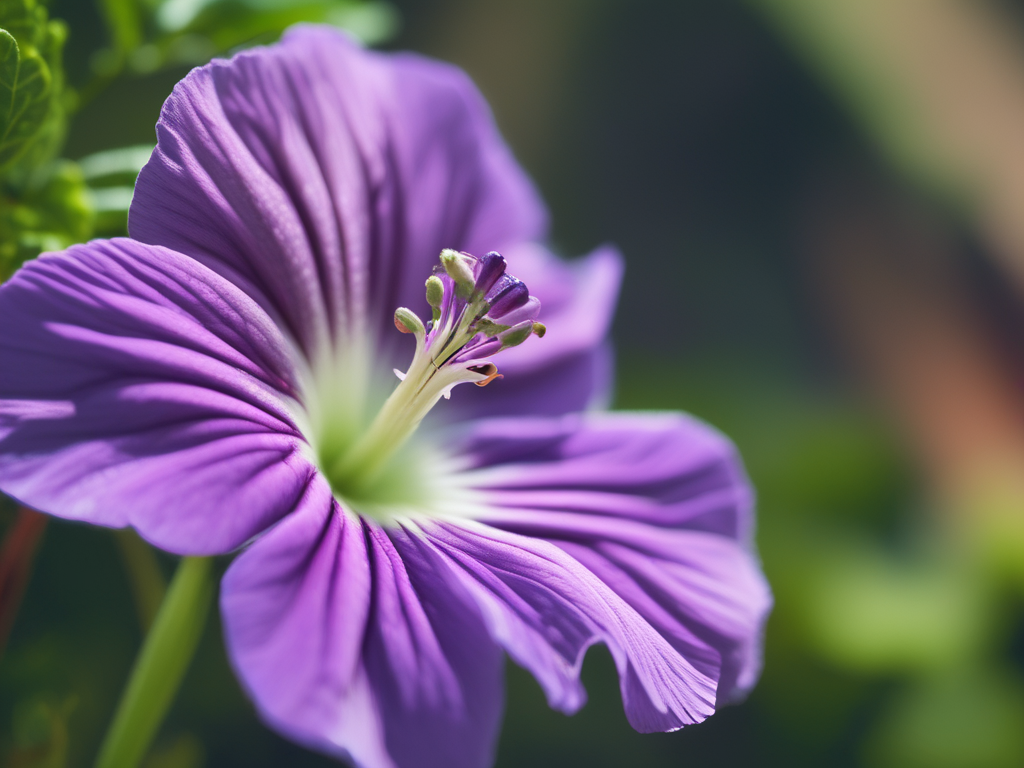
Mallow, or Malva sylvestris, is a beautiful and versatile plant found in gardens and the countryside. While some may consider it a weed, it is a valuable addition to wildlife gardens, attracting various pollinators. This plant has historical and current uses in cooking, herbal medicine, and even dental hygiene, making it a multifaceted natural resource.
Hemp Agrimony (Eupatorium cannabinum): A Native UK Wildflower with Diverse Medicinal Uses

Hemp Agrimony, also known as Eupatorium cannabinum, is a herbaceous perennial with beautiful pink clusters of flowers. It is native to the UK and is often used in medicines for various ailments. This plant attracts bees, butterflies, and birds, but is also prey for slugs and aphids. Additionally, its leaves are used to make rope.
Companion Planting with Marigolds: Natural Pest Control and Garden Enhancement

Marigolds are wonderful flowers for your garden, acting as natural pest repellents and adding vibrant colors. They release chemicals to keep pests like nematodes, beetles, mosquitoes, and aphids at bay. You can even make your own insect spray from the petals. Marigolds also attract pollinators and benefit bug life, making them a charming and beneficial addition to your garden.
Rosebay Willowherb: A Captivating Perennial Flowering Plant

Rosebay Willowherb, also known as Fireweed in some regions, is a captivating perennial flowering plant that adds natural elegance to any landscape. While considered invasive, it attracts pollinators and offers nectar for various wildlife. However, its rapid spread requires careful management in gardens to prevent overwhelming neighboring plants.

