
Yes, you can add soil to your compost heap. It introduces beneficial microbes and aids in breaking down organic matter. Adding old soil and unwanted compost mixes can accelerate the composting process, making it a practical approach for nutrient-rich compost. This practice is particularly beneficial in garden and allotment settings.
Monthly Archives: Jul 2024
Maximizing Composting Efficiency: Effective Compost Turning Tips
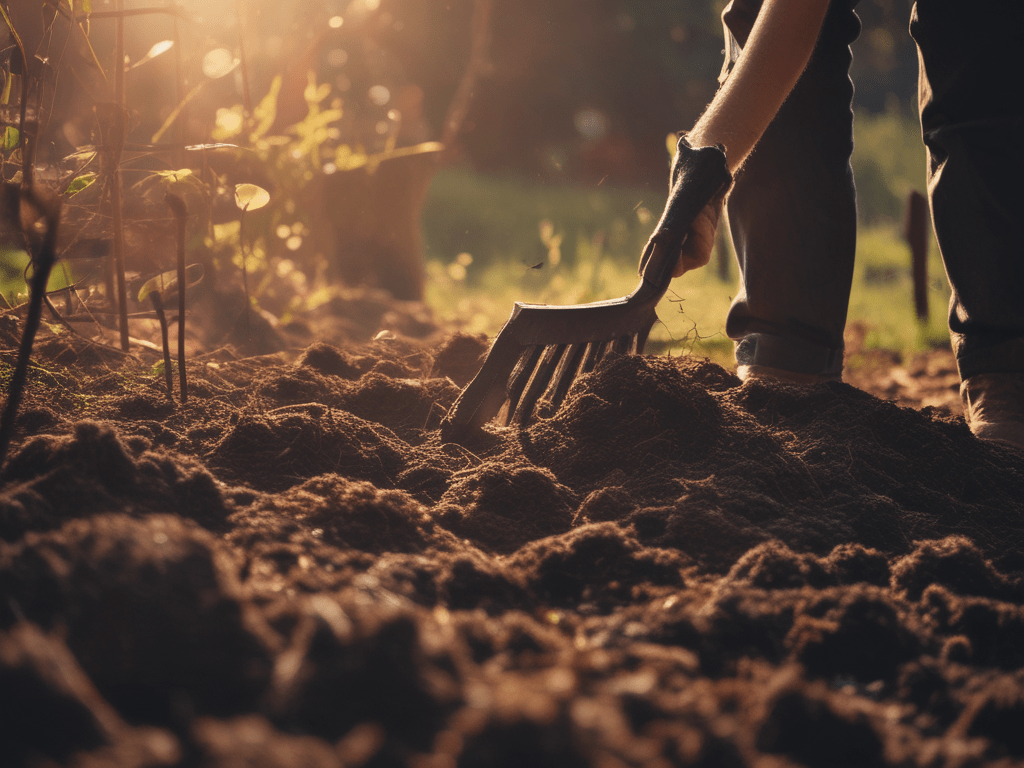
When it comes to turning compost piles, frequency varies based on desired readiness and heat. Cold compost takes 9-12 months, warm 3-4 months, and hot 60 days. For hot compost, turn every 2-3 days, warm weekly, and cold every 2-3 months. Ideal compost style evolves from hot to warm to cold for sievable mixture.
Attracting a Variety of Bird Species: 7 Top Tips and Tricks

Bird feeding is relatively easy once you know what you can and shouldn’t do. But to be even more effective and attract a broader range of bird species to your garden, here are seven of my top tips and tricks l can share. Providing a diverse range of food types is a surefire way toContinueContinue reading “Attracting a Variety of Bird Species: 7 Top Tips and Tricks”
Invasive Weed or Valuable Green Manure? Discover Charlock Mustard Uses

Charlock, also known as Wild or Field Mustard, is a winter annual herb with a rich history and versatile uses. Though considered an invasive weed by some, it can be used as a green manure and companion plant in gardening. The plant’s leaves, flowers, and seeds have culinary and medicinal uses, making it a valuable addition to the kitchen and garden.
Attracting Wildlife to Your Garden with Dead Hedge and Dead Wall Structures

Organic dead hedges enhance gardens by recycling green waste, creating habitats for wildlife, and maintaining biodiversity. They serve as natural structures that attract insects, birds, and other fauna over time.
 Earthly Comforts