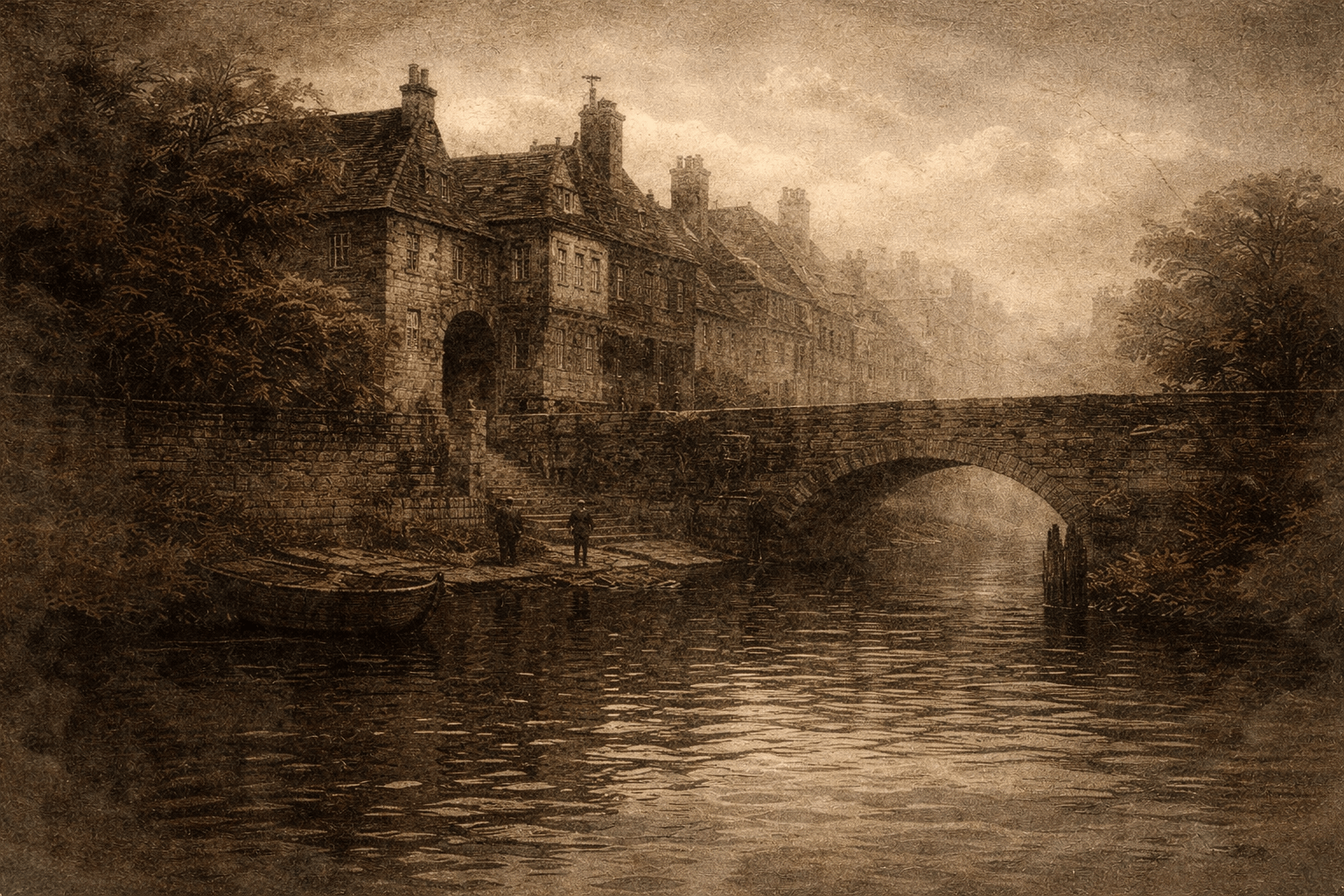
| Part Ten As time settled into the town, attention turned inward in quieter ways. In Sandwich, care shifted from preservation to use. What mattered was not keeping things as they had been, but keeping them workable. The town’s continuity depended on ordinary acts repeated often enough to matter. This kind of care is rarely visible. It doesn’t announce itself or seek recognition. It appears in small decisions made consistently: what gets repaired rather than replaced, what is adapted rather than abandoned, what is left alone because intervention would cost more than it gives back. Over time, these choices shape a place more decisively than ambition ever could. Maintenance replaced improvement as the primary form of effort. Roads were kept passable, not widened. Buildings were altered carefully, not reinvented. The town’s shape became increasingly defined by what could be sustained with limited strain. In a place long accustomed to adjustment, this felt natural rather than restrictive. This approach carried social weight. Care rewarded familiarity. Knowing how something worked mattered more than imagining how it might be made different. Skill accumulated through repetition. Attention to detail replaced scale as a marker of competence. The town learned to value those who noticed what needed doing before it failed. One of the clearest expressions of this ethic sat quietly in plain sight. The town walls, no longer defensive in any practical sense, remained part of the landscape not because they guarded anything, but because they still defined space usefully. They marked edges, guided movement, and reminded the town of proportion without demanding purpose beyond that. Care also shaped how change was absorbed. New pressures did not provoke a sweeping response. They were met incrementally. Adjustments were tested, kept if they worked, discarded if they didn’t. This slow feedback loop reduced risk. It allowed the town to evolve without destabilising itself. The environment reinforced this measured approach. Land and water continued to set boundaries that rewarded restraint. Overuse showed quickly. Neglect carries consequences. Care was not optional; it was the condition of continuity. The town did not romanticise this reality. It worked within it. What emerges here is a form of stewardship that is neither ideological nor sentimental. It is practical, learned through experience rather than belief. Sandwich did not set out to preserve itself. It simply behaved in ways that made preservation likely. A town allowed by circumstance survives when care becomes habit. Not care for appearance or reputation, but care for function. Sandwich reached that stage quietly. Its future was no longer built on the hope of return, but on the reliability of attention given to what already existed. |
Sandwich: A Town Allowed