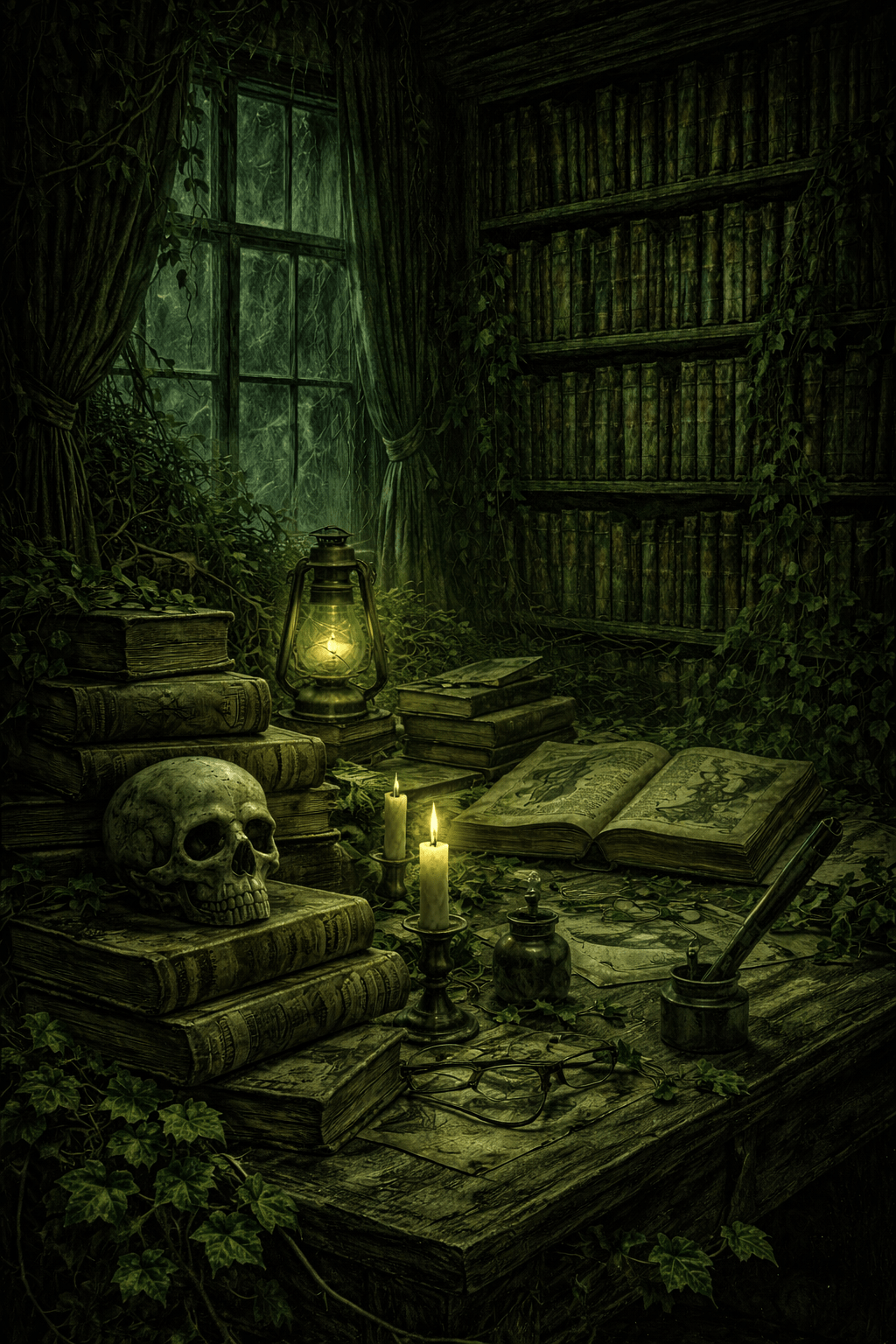
| A Personal History of Reading Horror |
| I was recently asked whether I had any reading passions and whether, when young, I had been drawn to a particular genre. Well, yes, I had — as it happens. This series isn’t about jump scares, guilty pleasures, or nostalgia performed at a distance. It’s about how a particular relationship with horror forms slowly, almost without permission — how it begins privately, deepens through attention and patience, and eventually becomes a way of reading the world rather than escaping from it. As a child and teenager, I didn’t arrive at horror through spectacle. I arrived through books. Quiet ones. Short stories. Anthologies. Paperbacks found second-hand, half-forgotten, sometimes incomplete. I learned early that the most unsettling stories weren’t the loudest, but the ones that respected silence, consequence, and uncertainty. Over time, reading became a pursuit. Series were tracked down volume by volume. Authors became voices I could recognise without looking at the cover. Eventually, some of those voices wrote back. For a brief window — late seventies into the early eighties — horror existed at human scale, and correspondence was possible in a way it no longer is. This series is a deep dive into that experience: the private interior world of early reading, the education delivered by short horror, the physical hunt for books, the weight of a growing collection, the shock of real contact with writers, and the moment — decades later — when horror quietly stopped asking anything more of me. It may seem an unusual subject for a gardening journal. Perhaps it is. But the habits formed in those years — attention, patience, respect for atmosphere, an understanding that growth and decay are never far apart — are not so distant from the way I now approach gardens. Landscape and story are closer cousins than they first appear. If anything, this series explains why certain kinds of atmosphere still hold a pull — stories rooted in place, in consequence, in the slow recognition that environments respond to human behaviour. One day, perhaps, that pull may take a different form. These are not reviews or recommendations. They’re reflections. Observations from the inside, written without rush, without spectacle, and without trying to persuade anyone of horror’s value. If you’ve ever wondered why certain stories stay with you long after you’ve stopped reading them — or why some genres don’t fade so much as complete their work — this series is an attempt to sit with that question honestly, and without hurry. |
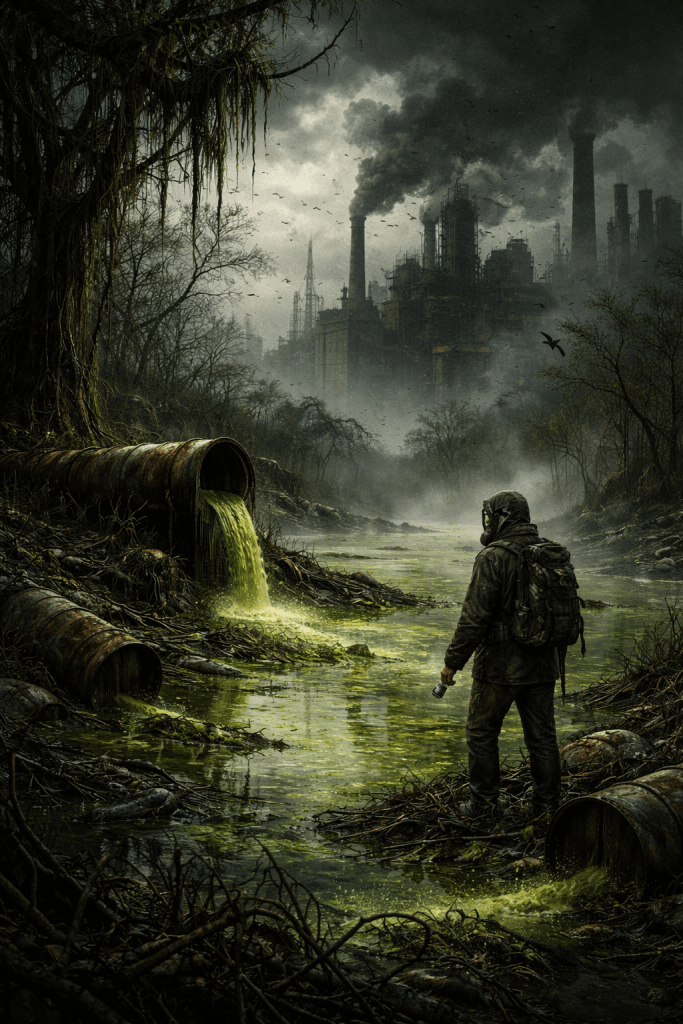
| ……… a future in eco-horror writing? |
| About our writing & imagery Most articles reflect our real gardening experience and reflection. Some use AI in drafting or research, but never for voice or authority. Featured images may show our photos, original AI-generated visuals, or, where stated, credited images shared by others. All content is shaped and edited by Earthly Comforts, expressing our own views. |

