| The Slow Confidence of an Evergreen Climber |
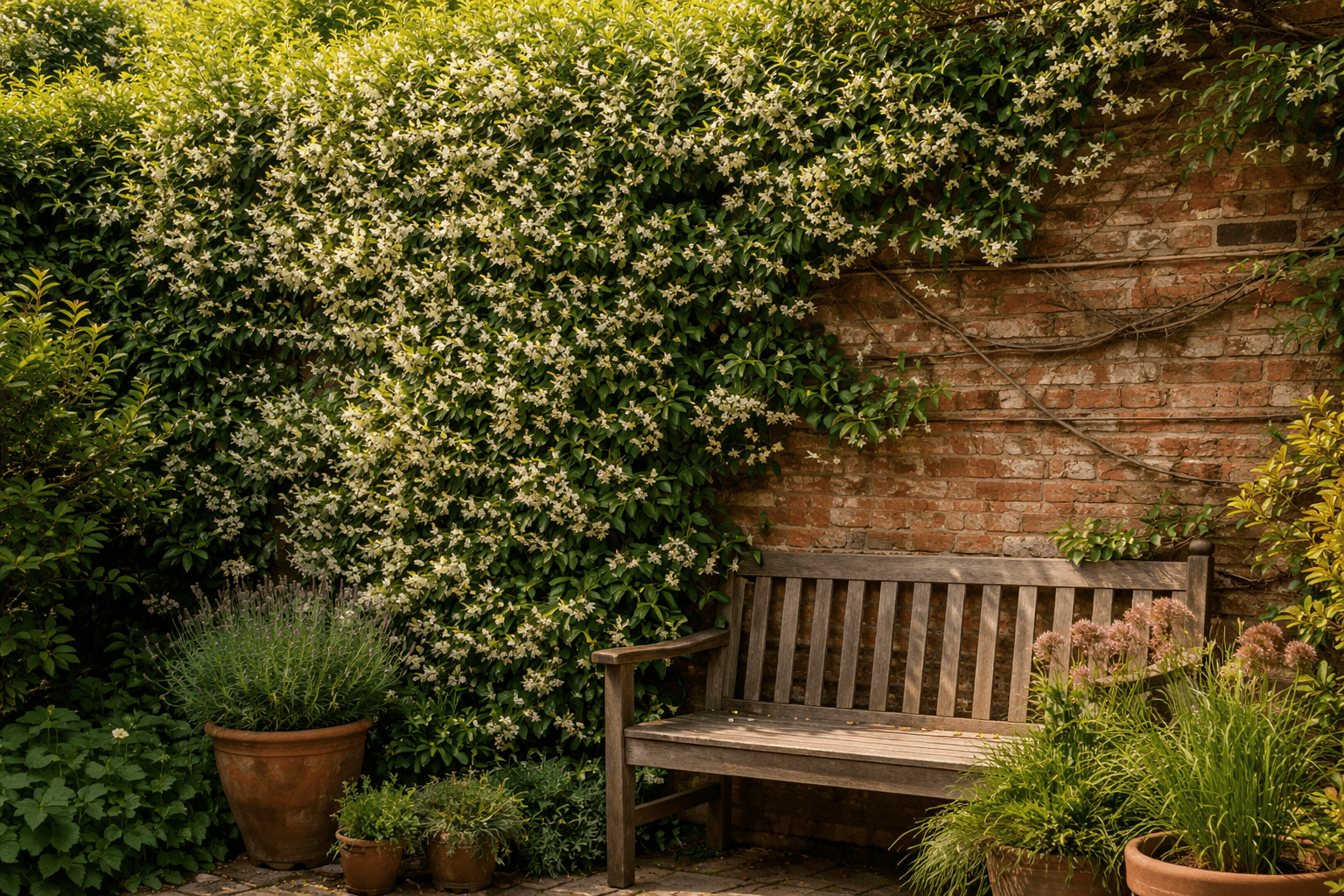
| Some plants announce themselves in catalogues, and some plants reveal themselves slowly, in the sort of way that makes you slightly distrust your first judgement. Trachelospermum belongs to the latter category. When I first planted it years ago against a warm brick wall, I remember thinking it looked modest to the point of underwhelming. A neat tangle of glossy leaves. A climber who had not yet climbed. Nothing urgent about it. By the third summer, I had changed my mind entirely. Trachelospermum — most commonly Trachelospermum jasminoides in our gardens — is often sold on fragrance alone. The scent is what people remember: that warm, almost vanilla sweetness that hangs in the evening air. But to reduce it to scent is to miss the plant’s deeper character. What makes it valuable in a British garden is not simply that it smells good in July. It is that it behaves well for the other eleven months of the year. And in a climate such as ours, behaviour matters. Not a True Jasmine — and That Matters One of the first misconceptions worth gently untangling is the name. Star jasmine, confederate jasmine — these labels linger in garden centres and client conversations alike. Yet it is not a jasmine at all. True jasmines belong to a different genus entirely. Trachelospermum sits within the dogbane family, alongside plants that share its milky sap and leathery foliage. This is not botanical pedantry. It explains its temperament. Unlike many true jasmines, which can be frost-sensitive and slightly temperamental in colder counties, Trachelospermum has a steadier constitution. It tolerates our winters with quiet resilience, provided it is not asked to stand in cold water or face raw eastern wind without shelter. In Kent, where I work, it performs reliably against brick, particularly on south- and west-facing walls that gather warmth through the day and release it slowly at night. Its resilience is not flamboyant. It does not race away in spring like some climbers. It takes its time. That slowness can mislead gardeners into thinking it is reluctant. It is not reluctant. It is established. The Slow Establishment The first practical insight I ever learned with Trachelospermum was patience. Many climbers give you quick top growth at the expense of roots. This one does the opposite. In its early years, energy goes underground. The visible growth appears modest, sometimes frustratingly so. I have had clients ask whether it needs feeding or whether it is “stuck.” Usually, it is neither. It is simply building a root system capable of sustaining decades of growth. By the third year, the difference becomes obvious. Growth thickens. Flowering increases. The plant seems to shift gears almost imperceptibly. It never becomes unruly, but it does become confident. That confidence is what makes it such a useful structural plant. Once settled, it rarely sulks. Evergreen Without the Aggression Evergreen climbers in Britain are surprisingly few if we exclude ivy. Ivy is valuable, but it carries weight — literally and metaphorically. It can become heavy, invasive, and socially controversial in small-town gardens. Trachelospermum offers evergreen coverage without that same level of dominance. The leaves are glossy but not garish. In winter, they often take on bronze or reddish tones in response to cold. I have come to appreciate that winter colouring; it prevents the plant from becoming a flat green mass during darker months. It shifts with the season rather than resisting it. Evergreen structure is one of the most underestimated assets in garden design. In February, when herbaceous borders are reduced to stubble and lawns sit dormant, a well-clothed wall changes the atmosphere of a space. It softens brick. It absorbs sound. It gives depth to an otherwise skeletal garden. And unlike some evergreen shrubs, Trachelospermum can be guided precisely. It follows wires, frames doors, wraps pergolas. It is trainable rather than self-willed. Fragrance: More Than a Selling Point The flowers arrive in early summer. Small, white, pinwheel stars held in loose clusters. Individually, they are delicate. En masse, they create something far more powerful — a scent that builds as the day warms. What fascinates me is that the fragrance is not constant. It swells in evening warmth. It can feel almost theatrical on still nights. You step outside after supper and suddenly notice it. During cooler days, it is subtler. This rhythm teaches something about expectation. Clients sometimes expect constant perfume once it begins. But like most living things, it has peaks and troughs. The scent intensifies in warmth because that is how the plant communicates with pollinators. It is not performing for us; we are incidental beneficiaries. One practical lesson here: plant it near seating, doorways, or places where evening air gathers. Against a far boundary wall, its fragrance can dissipate unnoticed. Soil and Drainage: The Non-Negotiable If there is one consistent cause of failure I have seen with Trachelospermum, it is poor drainage. It will tolerate dryness better than waterlogging. A damp, heavy clay that sits wet through winter can weaken roots and invite yellowing foliage. The solution is rarely dramatic. Improving drainage at planting — adding grit and organic matter, and ensuring the rootball sits slightly proud of the surrounding soil — makes a quiet but profound difference. Against walls, soil often drains better naturally, particularly if the overhang reduces direct rainfall. In containers, drainage becomes even more critical. A loam-based compost with grit, rather than a light multi-purpose mix, provides stability and prevents roots from sitting in cold, wet compost through winter. I have seen container specimens thrive for years when given depth and careful watering. Overwatering in pots is more damaging than occasional dryness. That is the second practical insight: resist kindness expressed through constant watering. Once established, Trachelospermum is more drought-tolerant than many assume. Training Rather Than Clinging Unlike ivy, it does not self-cling. It twines. That distinction shapes how we use it. It needs support — wires, trellis, pergola beams. In the early years, especially, tying in new growth guides its direction. Left unsupported, it will sprawl rather than climb. Some gardeners see this as a disadvantage. I see it as permission. It means we can shape it deliberately. I have trained it into neat fan shapes against brick, allowing airflow behind foliage and preventing damp patches. I have encouraged it along horizontal wires to create scented corridors. The work required is minimal once established. A yearly check, a few ties, and a light prune after flowering. It is not labour-intensive. It simply appreciates a little conversation with the gardener. Pruning and Restraint Pruning is straightforward. Flowering occurs on the current season’s growth, so trimming after the main flush in summer maintains shape without sacrificing next year’s display. Hard renovation is possible. I have cut back overgrown specimens in early spring to manageable frameworks. They respond steadily, though not explosively. Again, patience is required. A common assumption is that fragrant climbers must be delicate. Trachelospermum disproves that. It tolerates shaping without drama. The key is timing and moderation. Climate and Context In the South East, it is largely reliable. In colder inland areas, it benefits from shelter. Severe, prolonged frost can scorch leaves, but the plant often recovers once warmth returns. I have noticed that urban gardens, with their retained heat, suit it particularly well. Brick stores warmth. Courtyards amplify summer scent. It seems almost designed for town living. Yet it is not exclusively urban. In rural settings, against stone or timber structures, it provides a gentler alternative to more vigorous climbers. It does not seek to dominate barns or fences. It coexists. Wildlife Value — Modest but Real It is not a native plant, and it does not rival native climbers for ecological complexity. But bees do visit the flowers. The dense evergreen foliage provides some shelter. In that sense, it contributes without overwhelming. There is a growing tendency to judge plants solely by their ecological ranking. That is understandable, but gardens are layered systems. Structure, scent, human pleasure, and habitat intersect. A balanced garden can hold native hedgerow species alongside carefully chosen ornamentals. Trachelospermum sits comfortably in that middle ground. It is not ecologically transformative. Nor is it sterile. It plays its part quietly. Trade-Offs and Limitations No plant is universally suited. In deep shade, flowering reduces. In persistently wet soil, health declines. In exposed, windswept coastal sites, leaves can scorch. It is also not fast for those seeking immediate coverage. If a client wants instant screening, I caution them. This is a long-term companion, not a rapid solution. Another small limitation: the milky sap can irritate sensitive skin when pruning. Gloves are sensible. That sap is a reminder of its family lineage — hardy, slightly resinous, self-protective. Challenging the “Low Maintenance” Myth Garden centres often label it low maintenance. That is broadly true once established, but low maintenance does mean no maintenance. Early tying in, thoughtful planting, and appropriate pruning matter. The myth that good plants require no engagement is misleading. Even reliable plants respond to attention—Trachelospermum rewards consistency rather than neglect. In my experience, the gardens where it thrives most beautifully are those where someone occasionally looks up and notices its direction of growth. That small act of observation prevents larger corrections later. Living With It Over time, I have come to see Trachelospermum less as a flowering feature and more as a background presence. Its value lies in continuity. Winter leaves, spring extension growth, summer scent, autumn bronze tones — a full cycle without drama. There is a quiet dignity to that. That may be why I return to it in design decisions. It does not shout. It settles. It anchors walls in a way that feels settled rather than exuberant. And there is something deeply reassuring about plants that do not chase attention. A Final Reflection If I had to summarise its character, this: Trachelospermum teaches patience and rewards steadiness. It is not a plant for those seeking spectacle in the first season. It is a plant for those building gardens measured in years rather than months. In a culture increasingly drawn to immediacy, that feels quietly radical. When planted well — with drainage, shelter, and time — it becomes one of those plants you forget to worry about. And perhaps that is the highest compliment a working gardener can give. . |
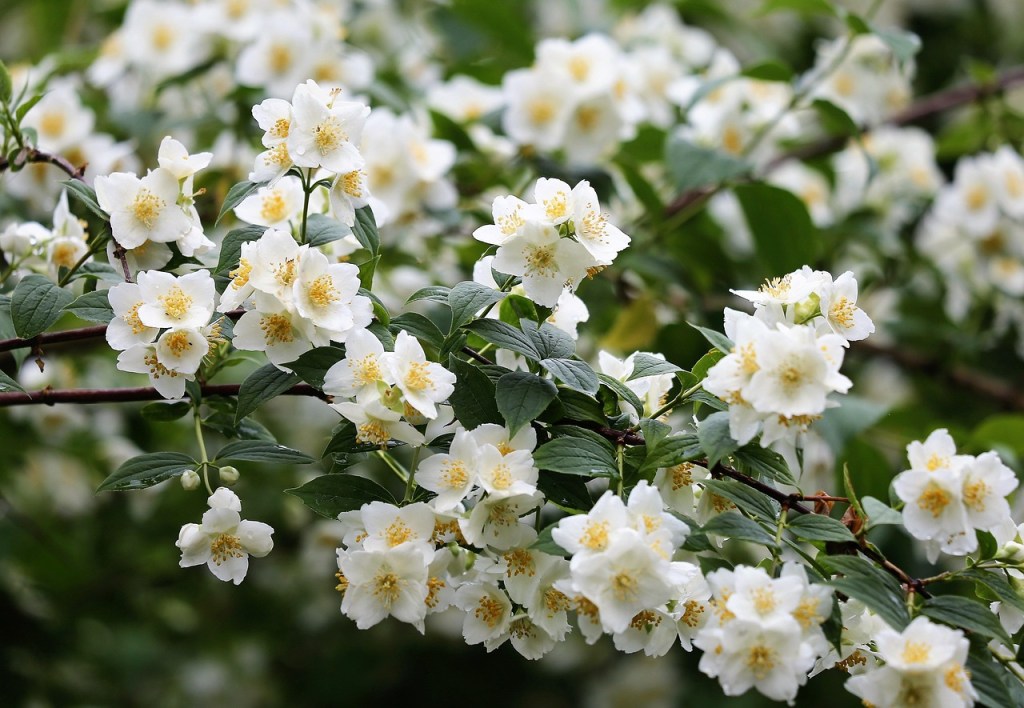
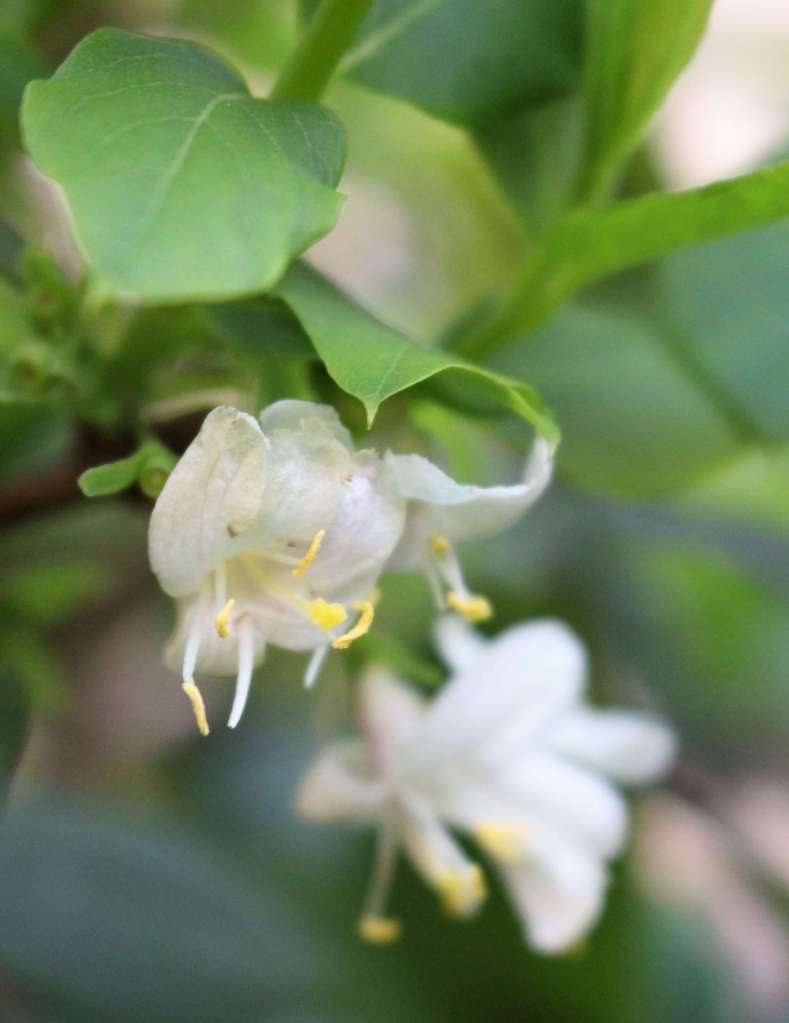
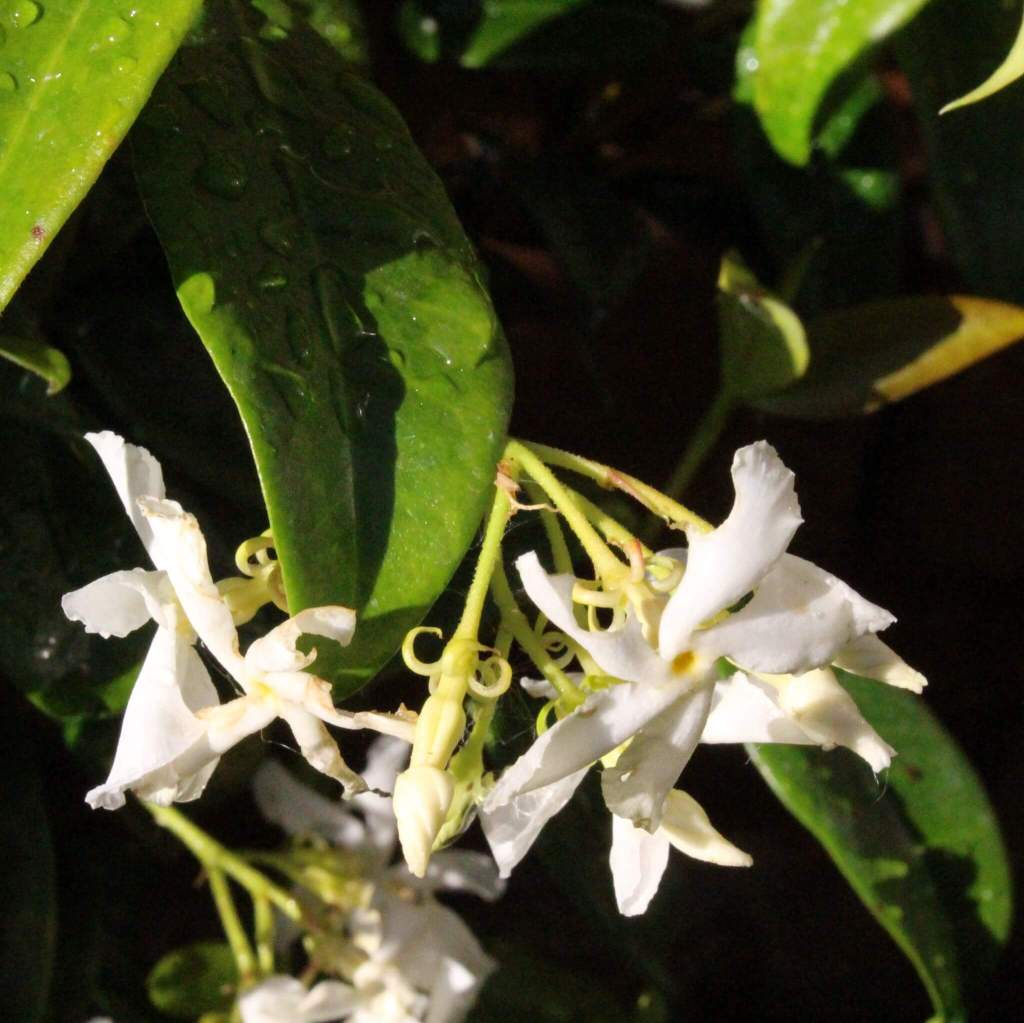
| Star jasmine is often described as “easy,” but in UK gardens it can be quietly temperamental. Most problems fall into four categories: cold stress, poor flowering, yellowing leaves, or woody congestion. Frost burn is the most common complaint. Leaves bronze, curl, and blacken after sharp freezes — especially on east-facing walls where morning sun hits frozen foliage. This is rarely fatal. Prune back to healthy green wood in spring and improve root protection with mulch. The plant usually reshoots strongly once warmth returns. Poor flowering typically isn’t about feeding — it’s about light and pruning timing. Star jasmine flowers on growth made the previous year. If cut hard in late winter, you remove summer’s buds. If it’s growing but not blooming, check exposure. It needs real sun — at least half a day — and warmth from a wall helps considerably. Yellowing leaves often point to drainage issues rather than hunger. In heavy clay or waterlogged beds, roots sit cold and stressed. Before reaching for fertiliser, improve soil structure or ensure water can move freely away. In pots, check that the compost hasn’t compacted. Woody, bare bases happen when growth is allowed to run long and unchecked. Rather than shearing annually, thin selectively and remove one or two older stems at the base each year. Occasional staged renovation keeps it leafy lower down. A final truth: in exposed UK sites, some winter leaf damage is normal. Star jasmine is resilient but not invincible. Work with its rhythm — warmth, shelter, patience — and it will reward you with scent that justifies the effort. |
| About our writing & imagery Most articles reflect our real gardening experience and reflection. Some use AI in drafting or research, but never for voice or authority. Featured images may show our photos, original AI-generated visuals, or, where stated, credited images shared by others. All content is shaped and edited by Earthly Comforts, expressing our own views. |

