| When Something Stops Working Slowly |
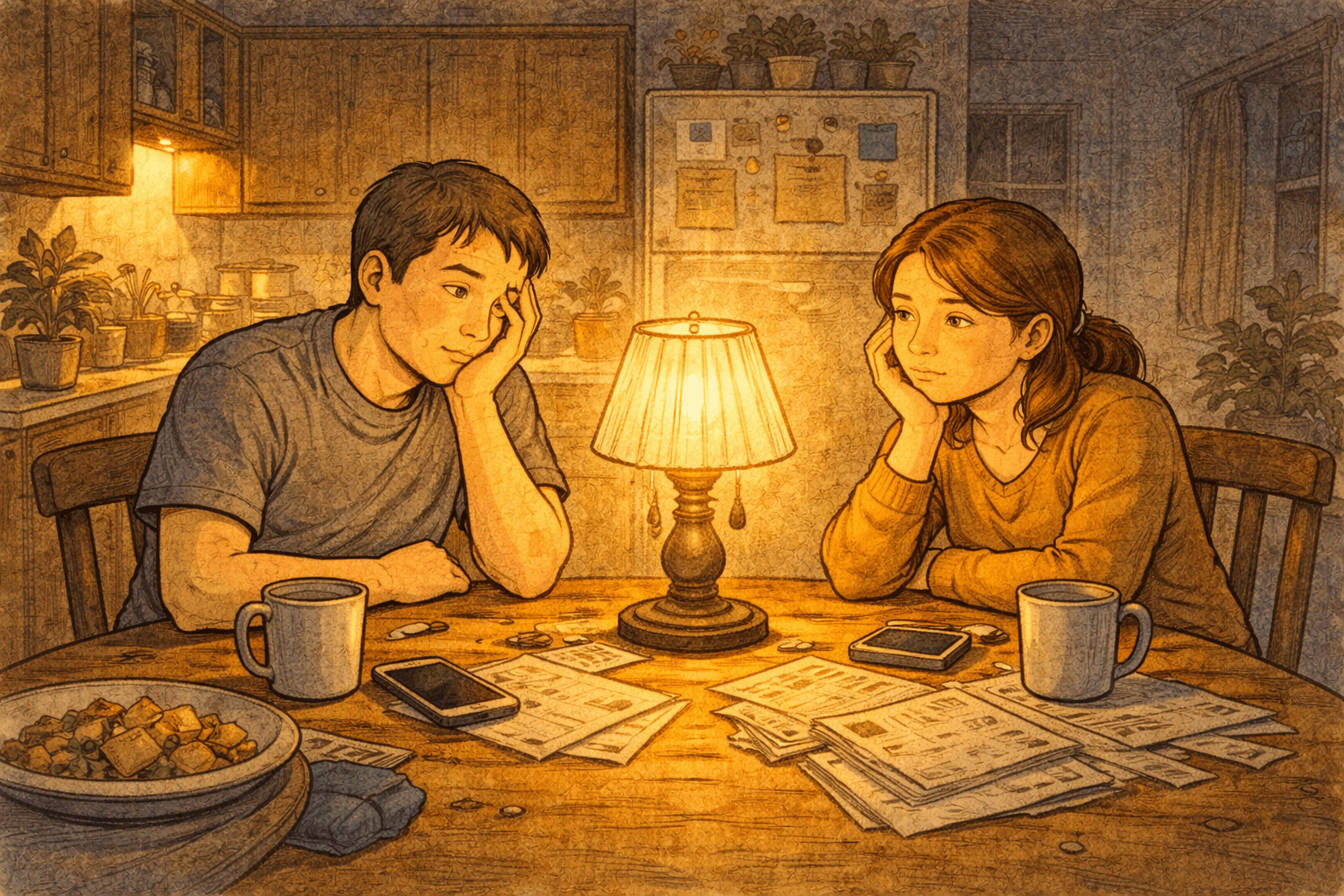
| Most things don’t fail all at once. They drift. They lose effectiveness in increments so small they barely register. By the time the problem is undeniable, the decline has usually been underway for some time. I’ve learned this the long way round, working with systems that are expected to keep going quietly. Gardens, like buildings and habits, rarely announce when they’re beginning to struggle. They adjust. They compensate. They carry on until they can’t. There’s a common assumption that breakdowns are sudden events. In reality, they’re often the end point of a long period of accommodation. A drain that “still works” but empties more slowly each month. A tool that still cuts, but with more effort. A routine that still functions, but leaves you more tired than it used to. Gardening makes this visible because living systems record stress in their own way. Growth thins. Leaves discolour slightly. Weeds appear where they didn’t before. These aren’t failures; they’re messages. The problem is that slow messages are easy to ignore. One reason the gradual decline goes unnoticed is that we adapt to it. We step around the puddle instead of clearing the drain. We push harder rather than sharpen the blade. We accept lower standards without naming them. Each adjustment feels reasonable. Collectively, they change the baseline. This is where maintenance becomes misunderstood. It’s often framed as reactive — something you do once a problem appears. In practice, maintenance is about noticing drift before it becomes a collapse. It requires attention to trends, not just events. I’ve found that the most helpful question isn’t “Is this broken?” but “Is this doing what it used to?” The answer is often more revealing. Function degrades quietly. Failure is simply the moment we stop compensating. There’s also an emotional component. Acknowledging slow decline can feel accusatory. It implies responsibility. If something stopped working gradually, then perhaps we were present while it happened. It’s easier to respond to sudden failure than to admit we missed a long one. Gardening teaches you to get comfortable with this discomfort. You learn that catching something early is not an admission of neglect, but a sign of attentiveness. Intervening before collapse is not overreach; it’s respect for the system. The trade-off is that early intervention often looks unnecessary from the outside. Replacing a part that still technically works can seem wasteful. Clearing a channel before it floods can feel premature. But the cost is lower, the disruption smaller, and the outcome steadier. This principle extends beyond physical systems. Relationships, routines, and ways of working all degrade slowly if they’re misaligned. Communication thins. Energy dips. Friction increases. By the time a breaking point is reached, the earlier signals are often forgotten. One practical lesson here is to pay attention to effort. When something begins to require more force than it used to, it’s usually compensating for a loss elsewhere. Pushing harder rarely solves the underlying issue. It just accelerates wear. Gardening has made me cautious about celebrating resilience without context. Things that keep going despite strain are often praised. But resilience that relies on constant compensation is fragile. It hides problems rather than resolving them. There’s a quiet dignity in systems that are allowed to pause, be adjusted, or be repaired before they fail. This requires a different relationship with time — one that values continuity over crisis. When something stops working slowly, the most critical moment is rarely the point of failure. It’s the first moment of change that went unacknowledged. The sound that altered. The response lagged. The effort increased. Noticing those moments doesn’t make life smoother in the short term. It asks for attention, humility, and occasional inconvenience. But it prevents larger disruptions later. Gardening has taught me that slow failure is not inevitable. It’s often the result of delayed noticing. And noticing, when it arrives early enough, gives you options. The challenge is learning to value those options before you need them. |
| About our writing & imagery Most articles reflect our real gardening experience and reflection. Some use AI in drafting or research, but never for voice or authority. Featured images may show our photos, original AI-generated visuals, or, where stated, credited images shared by others. All content is shaped and edited by Earthly Comforts, expressing our own views. |

