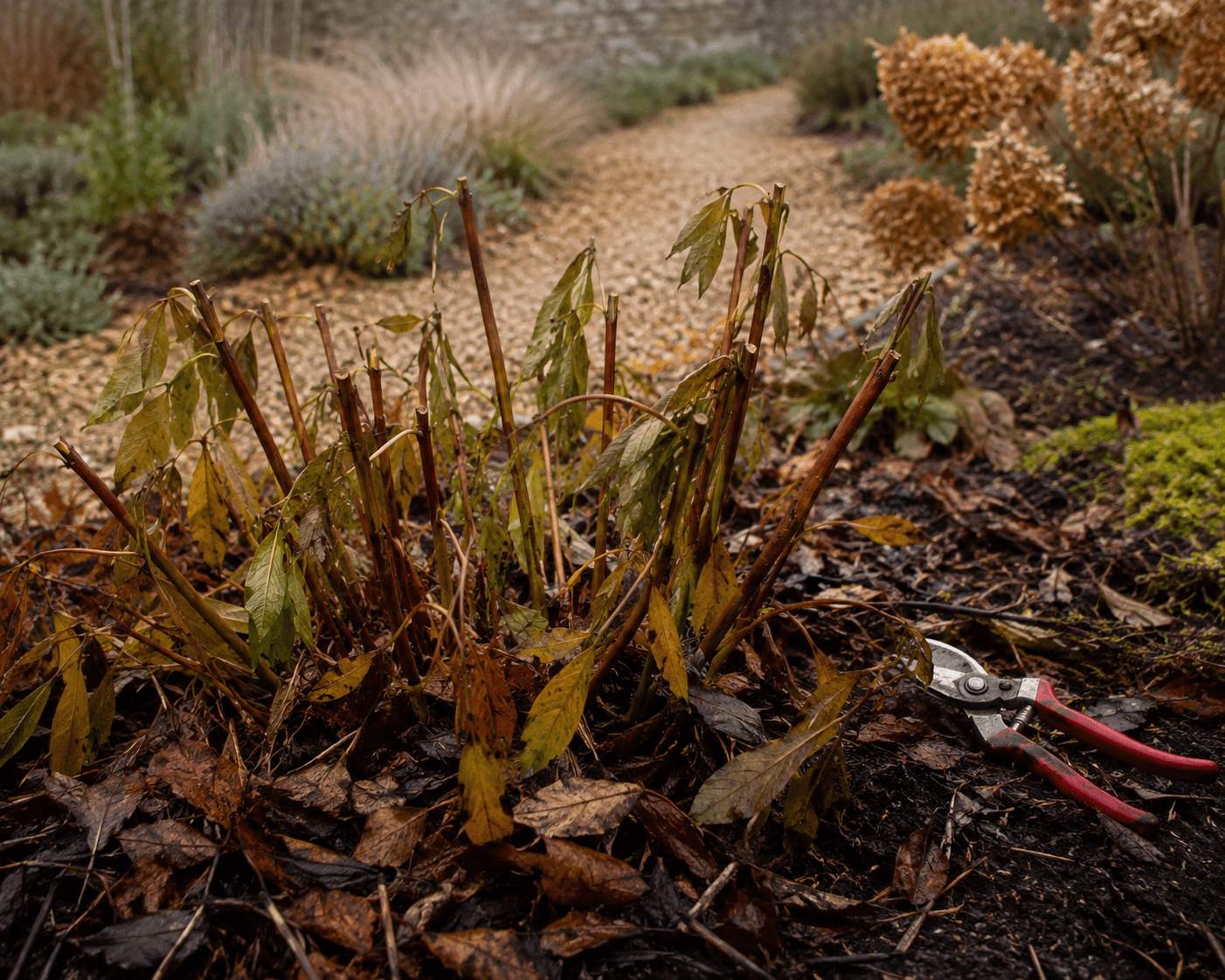
| Peonies are one of those plants that seem to attract questions. Every spring they emerge from the ground with surprising determination, produce some of the most admired flowers in the garden, and then, by late summer, begin to look rather less impressive. It is often around this point that somebody asks when they should be cut back. The answer is not quite as straightforward as a date on the calendar. A common assumption is that once the flowers have faded, the plant has finished its work for the year. In reality, the flowering display is only one part of the peony’s annual cycle. The foliage that remains afterwards continues to perform an important role, quietly gathering energy and directing it back into the crown and root system below ground. As gardeners, we can sometimes be guilty of wanting immediate tidiness. A border looks cleaner when spent stems are removed and yellowing leaves are removed. Yet peonies reward patience. Their leaves may not be at their most attractive by autumn, but they are still contributing to next year’s growth and flowering. In my own work, I generally leave herbaceous peonies alone until their foliage naturally begins to die back. By late autumn or early winter, the leaves have usually yellowed, browned, or collapsed following the first frosts. At this point, the plant has largely finished transferring its stored energy and can be cut back without concern. Interestingly, many gardeners worry about cutting peonies too late, but cutting them too early is often the greater mistake. Removing healthy foliage in August or September may create a tidier border for a few weeks, but it can reduce the plant’s ability to build reserves for the following season. The effects are not always dramatic, yet over time they can influence vigour and flowering performance. That said, gardening rarely follows strict rules. Sometimes a plant is affected by disease, damaged by weather, or situated where practical considerations take priority. A peony suffering from significant fungal problems may benefit from earlier removal of infected material. Likewise, in some gardens, aesthetics or access may dictate slightly different timing. Context matters far more than rigid instruction. Another point worth mentioning is that not all peonies are treated in the same way. Herbaceous peonies, which die back completely each year, are generally cut down to near ground level once dormant. Tree peonies are different. Their woody framework remains alive throughout winter and should not be cut down in the same manner. Confusion between the two often leads to unnecessary pruning. What I find fascinating about peonies is that they remind us how much of gardening happens out of sight. The flowers command attention for a few short weeks, but the real work continues beneath the soil for months afterwards. The roots are storing energy, preparing buds, and investing in a future display long after most people have stopped paying attention. Perhaps that is why peonies have remained favourites for generations. They reward observation rather than intervention, patience rather than haste. Sometimes the best thing a gardener can do is simply wait until the plant has finished what it is quietly trying to achieve. |
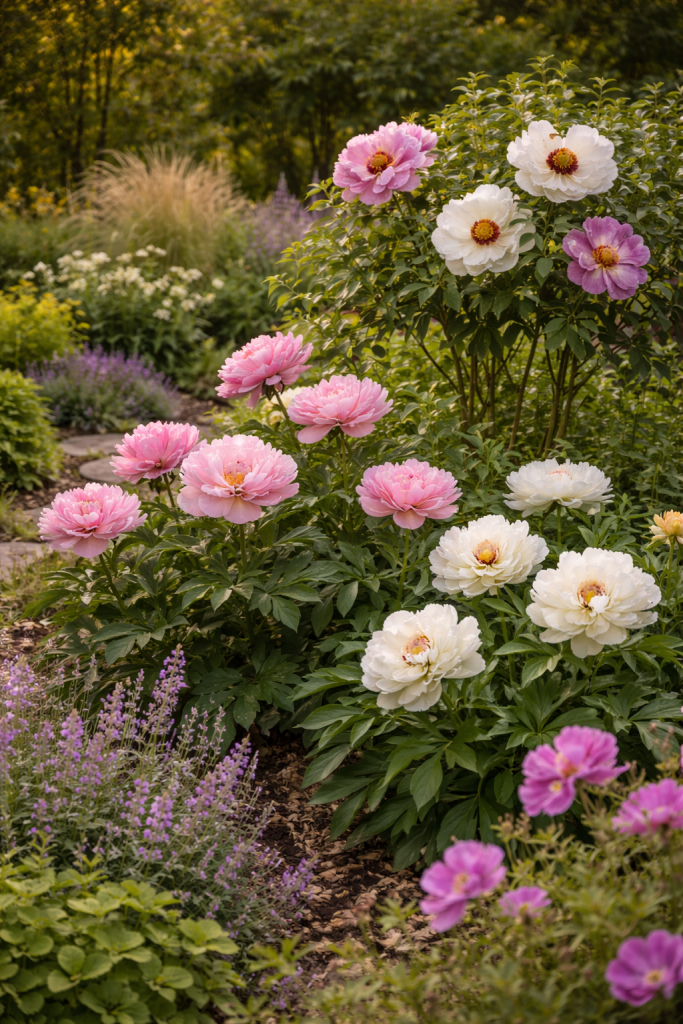
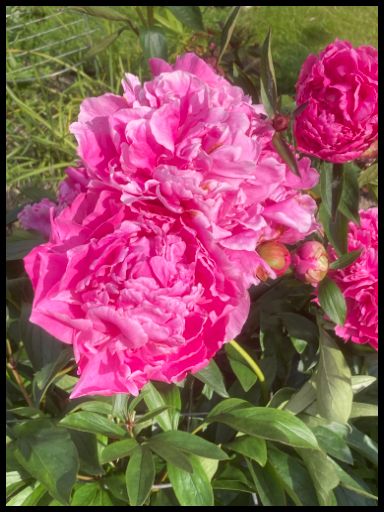
| About our writing & imagery Most articles reflect our real gardening experience and reflection. Some use AI in drafting or research, but never for voice or authority. Featured images may show our photos, original AI-generated visuals, or, where stated, credited images shared by others. All content is shaped and edited by Earthly Comforts, expressing our own views. |

