| Still Noticing |
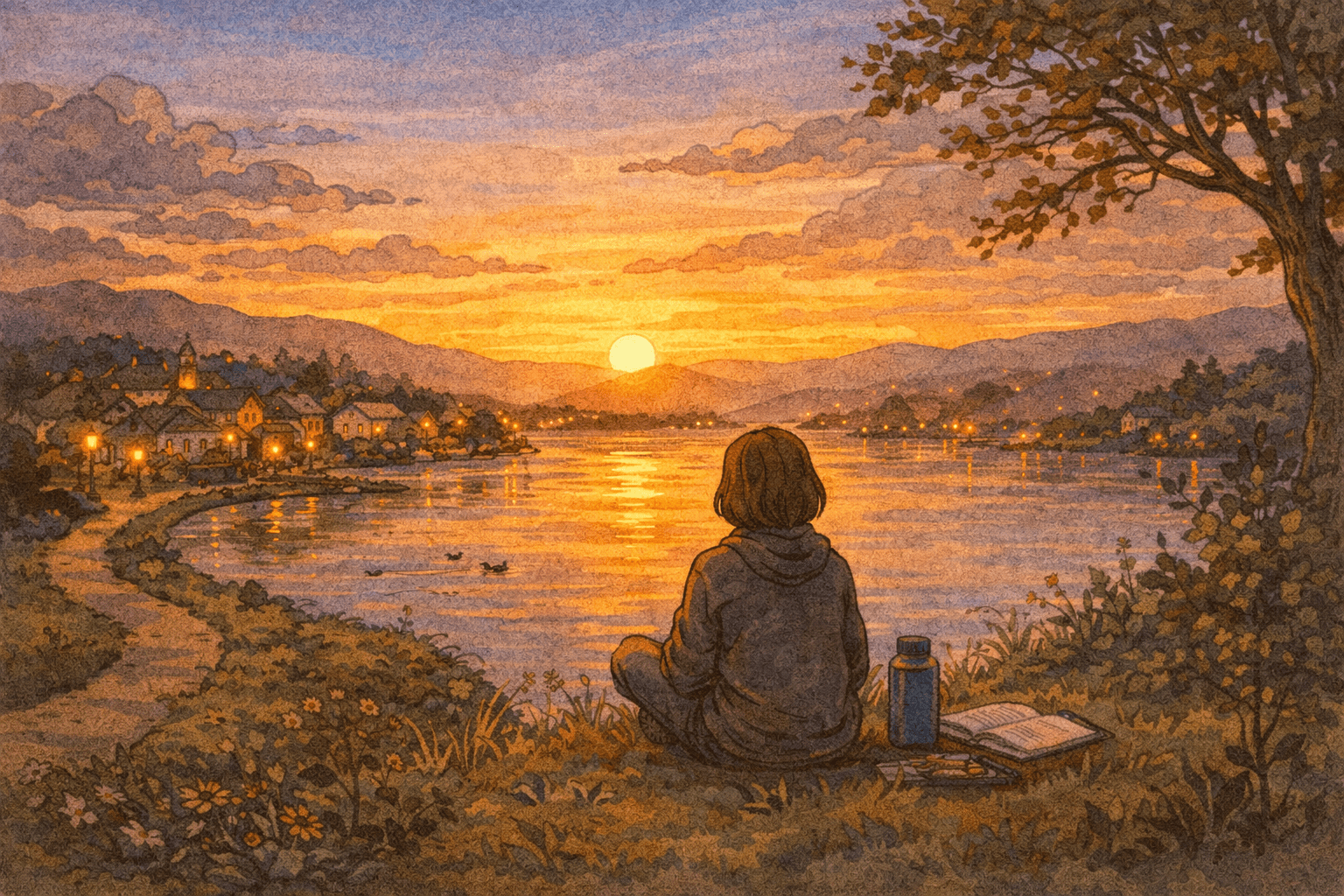
| I used to think noticing was something you eventually finished doing. That once you’d paid proper attention to a place, a habit, a pattern — you could move on, satisfied that it had been understood. Experience has been less tidy. Noticing doesn’t arrive as a revelation and then depart. It returns. Often to the same things. Often, to things you thought you’d already seen clearly. The difference is subtle. It’s not that the object changes, but that you do. Gardening makes this unavoidable. You don’t “learn” a garden once. You meet it repeatedly, under different conditions, in different moods, at different stages of your own life. What felt obvious one year becomes complicated the next. What seemed settled reveals a new edge. The same applies to towns, work, objects, and time. Familiarity doesn’t exhaust them. It deepens them. One of the myths worth quietly letting go of is that attention is a corrective act — that once something has been noticed, it should be resolved, improved, or filed away. In reality, some things benefit from being noticed again and again without expectation of progress. I’ve found that the most durable understanding comes from repetition without urgency. Seeing the same street at different ages and doing the same work with different energy, and returning to the same question without needing a sharper answer. This noticing doesn’t feel productive. It doesn’t accumulate in obvious ways. But it changes how you move, how you judge. How quickly you reach for solutions. There’s a humility in admitting that attention is never complete. That even the most familiar things retain the right to surprise you. That your earlier understanding was not wrong — just partial. Gardening has taught me to trust this incompleteness. A garden that looks finished is often at its most fragile. A garden that’s still being noticed — adjusted lightly, observed closely — tends to hold together. The same applies elsewhere. Work that allows for reassessment. Places revisited at different times. Habits are examined gently rather than enforced. These systems remain flexible because they’re not closed. Leaving a series open doesn’t mean it lacks shape. It means the shape can grow. I don’t know what I’ll notice next. That’s the point. If I did, I’d already be looking past it. Still noticing isn’t a stance or a practice. It’s a condition. One that comes and goes. One that’s easier to return to than to maintain permanently. And perhaps that’s enough. |
| About our writing & imagery Most articles reflect our real gardening experience and reflection. Some use AI in drafting or research, but never for voice or authority. Featured images may show our photos, original AI-generated visuals, or, where stated, credited images shared by others. All content is shaped and edited by Earthly Comforts, expressing our own views. |

