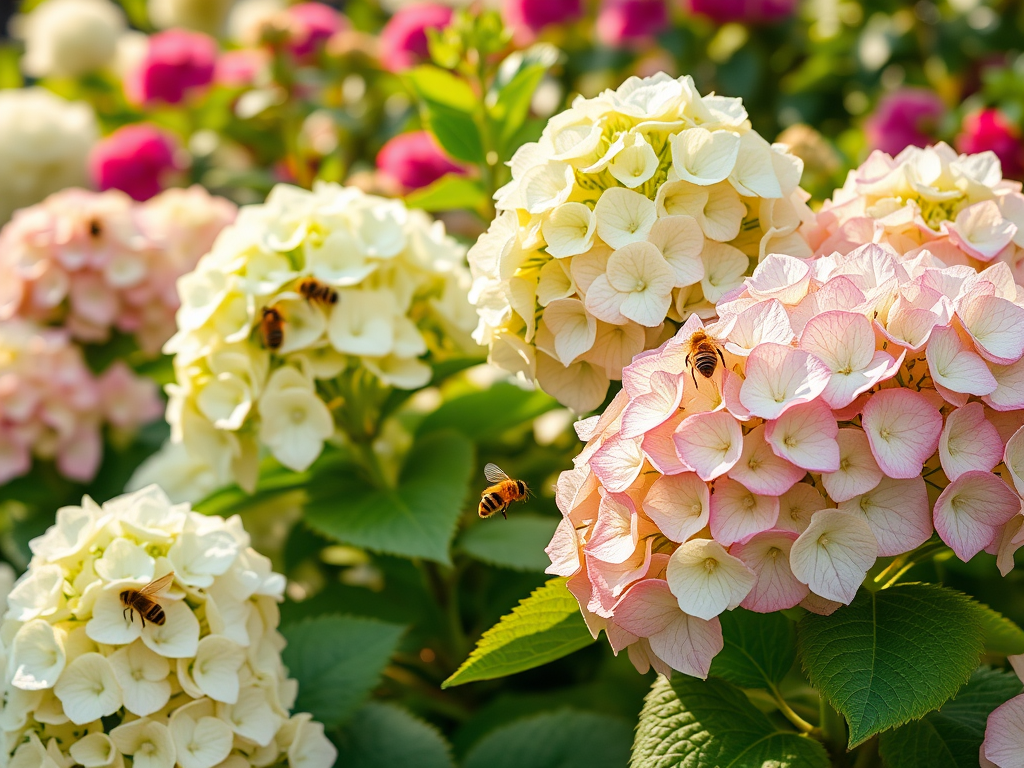
Lacecap and panicle hydrangeas offer unique beauty and low-maintenance care. Lacecap features delicate blooms that change color with soil pH, while panicle boasts hardy, long-lasting clusters in various sizes, thriving in diverse conditions.
Designing Eco-Friendly Gardens: Tips for Small Spaces

Small-scale gardeners can blend beauty with ecology by using native plants and sustainable design, creating vibrant spaces that support local wildlife and enhance our connection to nature.
Exploring Pleasure Gardens of the Regency Era

Pleasure gardens in the Regency period were social hubs for entertainment, where diverse classes mingled amid music, performances, and decor. Botanical gardens serve as peaceful public spaces for plant study, conservation, and community engagement.
Understanding Hydrangeas: Colour, Soil pH, and Care

Hydrangeas are versatile ornamental shrubs with diverse colors and types, thriving in various climates. Their flowers' color can change based on soil pH, requiring specific care and pruning methods.
Understanding the Weasel: A UK Predator

Weasels are small, adaptable predators in the UK, primarily hunting small mammals, and while currently not endangered, their populations are declining due to environmental threats.
 Earthly Comforts